Podcast
AI SEO/GEO Guide: How We Ranked a B2B SaaS #1 in ChatGPT (2026 case study)

Liam Dunne
Host
October 29, 20251:30:36
All right. So, from 575 trials per month to 819 trials per week from AI search in just seven weeks. So, in this video, what I'm going to be doing is breaking down in a case study format the exact AEO playbook we used to help a multiple 8 figureure ARR B2B SAS company rank number one in chat GBT. And this is all without using any black hat tactics or short-term gimmicks. Now when I say AEO or AI search, what I'm referring to here is basically getting more customers from AI chats or assistants like chat GBT claude perplexity. Now just to support that claim here. So this is a screenshot of when we first started working with this client. So you can see it's dated August 25th. Um, this client looked at their self-reported attribution and they were averaging 575 trials per month from AI search specifically. If we then uh fast forward to 7 weeks after that, so October the 13th, we can see this client um shared their self-reported numbers with us and they were getting 819 trials within uh a week period. Now, we are beyond this number now, but just for the purpose of this video, these are the numbers we're going to stick to. And here's a screenshot of their Google Search Console. This is not a small company. As I mentioned, they're doing multiple eight figures in ARR. And as I'll get to later in the video, they had already been working with an SEO agency for multiple years, and we were still able to come in um and deliver this type of impact. Now, just a really quick and rough intro on myself in case this is the first time you're watching one of my videos. So, I'm the co-founder at Discovered Labs. We work with primarily B2B companies, helping them with SEO and AEO, really organic search.
Um, so I'm a demand generation marketer um by trade. So, helped instantly AI grow from roughly 500K in ARR to 20 million in ARR in three years. and I worked with them uh them over that period as well as some other SAS companies I helped. These are all testimonials or um case study videos you'll find on my channel. And then my co-founder Ben, he's a software engineer/AI researcher um by trade. And the reason I bring that up is because a lot of what we do under the hood has been built by Ben. Um how we approach content programs is we build them just as we would uh a product. We try to approach them uh content programs very scientifically. Now, just in case you're wondering like what the hell am I going on about? What is AI search? What is AEO? Just like a a quick primer uh on what's going on, right? So, and and these are all numbers that you can self verify yourself. So, a HubSpot 2024 report uh reported that 48% of B2B buyers are now using AI search to evaluate vendors. Right? So what this means is people are using chat GBT cla Gemini all of these LLMs to research evaluate and ultimately decide what vendor um they're going to work with right and so if a big chunk of your ideal customers are doing that then you know the uh the downstream effect here is well how do you influence um those decisions in those answers this um emergence in AI search has really I wouldn't say it's created but it's definitely uh sped up the effect of zeroclick research, right? If I can go to chat GBT and say, "Hey, uh give me a breakdown of pricing features integrations for company A versus company B." AI goes out, does the research and provides that personalized answer to my unique situation, then really I don't have much of an incentive to go click onto those websites and do the research myself.
Right? So the downstream effect of this is that companies are seeing their clicks um fall through the floor. So they're looking at the Google search console and the clicks are going down. Impressions are going up, clicks are going down. Um and so this really means that there's less control, right? So if somebody clicks onto your website, they're now in your territory, right? You've optimized that website for conversions. You're clearly controlling the narrative and and biasing it towards um uh your way. Whereas if less people are clicking to your website, you know, the influence uh is stopping and it's moved left into the AI answers. And I think biggest of all and this is definitely a point of debate is that SEO is not the same as a you know with this client with the case study I'm going to walk you through they had been working with an SEO agency for 3 to four years but despite that we were able to come in and within just a seven week period four to five to 6x uh their impact in AI search right so clearly what they were doing which was SEO um wasn't working well and there's a lot of data out there to support that there's not a 100% uh translation between what you're doing with SEO and winning with AEO.
So, just to get like a bit specific on some of those differences. So, in traditional SEO, what we're trying to do is we're trying to chase clicks from a ranked link. What I mean by ranked link is really the game of SEO is getting onto page one, ideally positions one to three on Google. Um, and that's like one of the core the primary objectives with AEO. What we're trying to do is we're trying to get first of all mentioned or named in the answers by chat GBT, but also we're trying to get our sources of information cited because these LM have to pull this information from somewhere. They're not just making it up. Um, and so they're pulling that information from you and you are the citation. Then again, that's allowing you to control the narrative and shape it rather than somebody else. In traditional SEO, we're trying to rank whole pages. So if you go to Google, you basically have 10 links on on page one. These are whole pages that are being ranked. Whereas uh in AEO, it's passages, short passages of text that we're trying to get. And one piece of content could have five to 10 citations pulled from it, right? And so the downstream effect of that is, okay, well, what needs to be in those passages uh for LLMs to prioritize it? In traditional SEO, we're looking at impressions, clicks, and positions.
Whereas AO, we're looking at mention rate. You know, how often are you being mentioned relative to competitors? Um, what percentage of citations are owned by you rather than competitors? And what's your share of voice relative to competitors? Again, who is controlling or who is shaping uh most of the narrative? These are the leading metrics that we're trying to improve. In traditional SEO, I think historically it's had this um reputation for being low intent. You hire an SEO agency, they post 15 blogs per month. Uh the blogs are about very informational topics and so they get a lot of impressions. They might get a lot of clicks, but you're not really feeling the business impact. This is kind of the reputation that SEO has had. Now, I don't want to uh paint everyone with the same brush. This is clearly a bad execution of SEO. there are some great SEO teams out there and great great SEO um agencies but this is really the reputation that SEO has had whereas with AEO there's um far higher intent right because if you just think about what's going on here is um at like a technical level what makes uh a um AI search engines very different to like Google is I could search keywords in Google like for example the best HR software and it's just going to show show me same uh 10 generic links regardless of what I search regardless of who I am, my problems, you know, how much budget I have. It's going to show me the same 10 links. Whereas with AI search, I can give it a lot of upfront context. I can say this is my budget, this is my role, this is my company, my industry, this is my geography. Now give me personalized recommendations based on my unique situation. And it will do that. Um that's one of the you know unique characteristics of generative systems versus deterministic systems which is Google search uh algorithm. And so when people get those personalized recommendations by the time they do click through to your website to convert they come with much higher intent because it's not just a list of 10 uh generic uh links where people have gained the system to rank there. It's a personalized recommendation kind of like uh a procurement team who says right based on your requirements this is what I recommend you go after there's going to be far higher intent there and so just to like really make this zeroclick research thing clear um because what we're seeing here is a change in buying behavior and and ultimately if I could simplify to why I think SEO should be distinct to AO is because this isn't just like a Google update a core update that happens you know a couple times a year. This is a complete change in how buyers um discover services and products. So, if we look at traditional SEO, I could just search, you know, a head term, cold email platform. I'm going to get hit with a bunch of ads uh probably soon to come in AI assistance and then I get uh a list of organic uh links, right? So, the game of SEO is how do I get my page to rank number one, number two, number three on the SER, right? Whereas if we go all the right to LLMs like chat GBT, how people interact with these models is very different, right? You can see here how much context is being given. And really this is just one query. Usually people have an entire conversation with these models. And so um you're feeding all of this upfront context to the model. I'm an agency founder. That's a persona. I have 10 employees. That's a company size. I'm looking for category that integrates with this tech stack. A lot of upfront context. And so what these models do is they take that and they go out and perform web searches with all these entities i.e. close uh the company size. So they're probably like append SMB um uh there's some pricing considerations here. And so already how this web search is being conducted is very different to how humans uh interact um with Google. So that you've got one part there, the web search, but then you've got the reasoning chain that happens with these models where they're going, okay, well Liam, this is Liam's situation. And these are Liam's problems. Liam one month ago said, you know, he's struggling with these problems because they build up a knowledge graph of you. And so there's this reasoning chain that happens as well. So that the answer you get by the model is personalized to your unique situation. Right? This is very very different to what we've been used to over the last 10 to 20 years. Um where you know we've we've used Google to to do these things.
And I think the at like a macro level here uh and I'm going to share a resource with you here that I highly recommend you read afterwards is what we're seeing here is we've seen a technology shift that's happened which is AI and whenever these technology shifts happen you just need to look at history distribution shifts also happen downstream usually several years afterwards right um and so there's a lot of overlap between SEO and AO ultimately yes we're doing content we're doing some brand work we're doing some PR work we're doing some offsite um stuff. But I think why the distinction is important is because this is not just a new update that Google has updated, right? We're looking at a completely new surface area. Open AAI, uh Anthropic, Perplexity, these are all different companies to Google that all have their own unique technologies that all have their all own unique surface areas. So hence why I think um it deserves a distinction. same reason why, you know, just uh a winning Facebook ads uh strategy isn't going to automatically win on Tik Tok. These are different companies, different technologies. There might be social media platforms, but they're very different, right? And so if you look at history, you know, we had the internet launch in like the 1990s and then um we had the change in distribution which was Google. Uh and so this is where things like SEO was born or or pay-per-click a bit later, right?
Right? And so if you were uh if you were tuned to what was going on here, um you would be looking out for these distribution shifts. Same happened with uh mobile. So we had mobile apps released and then we had like Facebook mobile apps. We had things like Instagram. Uh more recently we had things like Tik Tok where um how the for you feed on Tik Tok uh how it prioritized what content was displayed to the user was very different to Instagram's algorithm. Right? On Instagram, they primarily showed content from influencers with large audiences. On Tik Tok, for your content to be shown to millions of people, you didn't need a large audience. The algorithm was different. So, the downstream effects of that dis uh that technology shift when new surface areas for marketers to to capitalize on. And now we see Tik Tok agencies, you know, UGC has blown up, right? So, these are the downstream effects from the technology shift. And we're seeing the same thing happen with AI, right? So really what we're seeing today um you know the likes of chat um these emerge sort of 2022 and then a few years later we're we're starting to see these new surface areas emerge such as you know organic search within AI answers. I think very soon maybe in a couple of years we'll also see um ads. I think these platforms will incorporate ads somehow. uh you know there's been proof that they're hiring for engineers to build out their ad capabilities and so that will also be a new um surface area to optimize for right so the point being here is whenever these technology shifts happen uh these distribution shifts um shortly follow and Brian Balffor um a really good founder and marketer um he wrote about this uh on his blog the next great distribution shift highly highly recommend you give that a read it gets very very tactical about uh AI search specifically about this sort of cycle they go through where they open up to try to get as many uh partners and and users into the platform and then eventually close the gate and start getting a bit greedy and I know there's like a lot of um naysayers about uh AI you know there's and I don't think maybe they're necessarily wrong I think um some of the things people say uh definitely have some truth to it I think they're probably are a lot of concerns um with AI as a technology. I think the tech industry is definitely in a bit of a bubble but you know this also happened with the internet. Um so here's a newspaper that was published in uh December 5th 2000 where the the headline is basically saying that the internet may just be a fad because millions of people have given up on it. Right? Look where we are today with the internet.
Right? So there's always going to be naysayers. I think you can't trust public opinion in times of change because I don't know I just feel like most people are default skeptical. Um and so if you if you listen to them too much then you might miss out on opportunities. You know even here you can see 1995 people predicting the web is just a fad uh and won't be a big deal. Um so here they're calling it uh baloney. Um, and what people do in these situations is they always compare it to the past, but technology shifts like this. Um, you know, uh, they just they're completely novel. Um, and so you can't really compare it on the performance of of history. And then just to go through this very very quickly because I'm really the point I'm trying to hit home here, why I'm bringing technology shifts and distribution shifts up is because this is how generational wealth is created, right? or if you're a founder, if you're a marketer, then this is how you get 10x, 50x, 100x returns on your marketing efforts, right? And I'll probably just skip to the bottom here. Like if you look at outlier companies um that have gone on to do, you know, 100x runs um you know, the type of companies that are being talked about all the time, these companies weren't necessarily run by smarter people. They weren't, you know, people that are necessarily smarter than you. Um in many cases these companies they just simply operated with tailwinds i.e. on the back of a distribution shift rather than headwinds right and this is really what people mean when they say distribution matters most. It's it's it's really the difference between pushing a boulder downhill with momentum behind you than trying to push a boulder uphill with momentum uh against you.
It's not because people are smarter. Uh it's not because you know they they know something you don't. It's really just that they're in a better vehicle. Um and so you can look at research at this. This is play bigger. I think this is actually from the book. I can't remember. Um there's a book there's a book about this about category kings, but just to hit the the top level here. So it shows that category kings i.e. the category leaders they capture 76% of total market cap um leaving everyone else to fight over the remaining 24%. Right? So late entrance face significantly higher customer acquisition costs often 5 to 10x more to displace uh established leaders right so people that move fast when these shifts happen get disproportionate upside while everyone else has to fight over the scraps that's like the key takeaway here so what's at stake with uh AI search really um for the first time in a couple of decades when it comes to search uh startups can outrank uh outrank billion dollar um incumbents because right now uh AI search, you know, these companies don't care about your company size. They don't care about your domain authority, which are like the key things in SEO.
They only care about content quality, entity understanding and trust. They only care really if you if we zoom right out, a company like OpenAI, all they care about is providing the best user experience possible, right? That's what they're optimizing for. And so if you have the right content, uh if your content's fresh, if it's factual, if it can be verified, then you're going to skip to the front of the queue, not because you know you have a higher domain uh authority or rating, which was how content in SEO ranked. It's really a rare chance to reshuffle category dominance. Um you know, this is truly like a once in a decade opportunity to leaprog established competitors. You know, the point I bring all this stuff up is because this is the window of opportunity where billion-dollar companies um are created and you know, it doesn't happen uh too often. And so potentially if you miss this window window, then you don't become the category king. You become one of those companies, the late entrance that is fighting over that 24% with hundreds, thousands um of of other companies. And so I made this point earlier when people say distribution matters most. They're rarely talking about, hey, you should post more on LinkedIn. You should send more cold emails because that's distribution. Like this is these things are level one of the game, right? If you want outsiz returns, 10, 50, 100x returns. Really, what it means is building your entire business around a distribution edge and, you know, moving mountains to make it happen. you know, pivoting piv pivoting your entire business overnight if it needs to be done because distribution is all that matters. Everything else is worthless if you don't have distribution. And so when opportunities like this appear, you need to take it very very seriously. And the hard thing is is everything in our mind will be telling you not to because you'll be skeptical about it. Is it a fad? Is it a short-term thing? you know, um, and I I definitely don't think this is like a a a get-rich quick scheme, but for the for the, you know, the small minority of people who do take this seriously and get obsessed about it, I think really outsized returns um, await for them.
Okay, so let's start getting into it then. So, how do you influence buyer decisions in AI search, right? So, what specific actions drive these AI citations? How do we measure um, and optimize for this new channel? How do we know it's working? and what does a proven repeatable playbook look like? So, I'm going to intend to answer some of these questions in this video. So, we roughly follow a four-step playbook here. Um, you know, there's a lot of simplification going on here, but the first part is an AI visibility audit. So, this is getting a baseline of how you're appearing and being framed in AI answers today. very different to what like an SEO audit looks like because uh SEO audits are all revolved around Google and Bing whereas we're dealing with completely different companies and platforms here and we're still in the early stages of maturity. The second part is AI assisted content marketing. Um so what we want to do is we want to create content that answers our ICP's questions that they're asking in these um chat bots. Uh and these uh this content should consist of rich verifiable facts that can be corroborated by uh AI models. Um you don't have to use AI as part of your content um process. Uh what I'm going to be sharing in this video is going to be talking about how we do that. Uh I highly recommend you do. AI is going to allow you to move faster, which is the primary benefit people talk about efficiency, but I'm of the opinion it can also help you raise the quality bar, right? um an AI model isn't going to get tired and introduce human error um at the hundth piece of content uh that's being reviewed that day whereas with uh people um it is um and but what we do is we ensure everything is led managed and QAed by you know senior experts. So we're what I'm going to recommend here is not shipping you know AI slop just one shot in chat GBT to help you write content that is not going to help you win. Um, so I'm going to be sharing a framework, very, very tactical framework that ensures you do hit all of the right signals uh, required by LLMs. The third piece then is third-party validation. So LLM weigh signals beyond your site, right? So if you're if your claims can't be cooperated by others, i.e. in reviews, on different channels, in UGC community, we'll get onto Reddit, then um, you're just never going to make it into the AI answer, right? Uh maybe a simple way to put this is if if on your website in your content you're just you know screaming how good you are and how bad your competitors are. If those claims can't be um supported by others, you're just never going to make it into the answers. So traditional PR and backlink campaigns still work. This is really the overlap with SEO. However, um you should also focus on the new surface areas such as Reddit, Quora, YouTube, and Wikipedia.
Traditionally SEOs haven't really been focusing on like UGC and community. These things have become really really important uh in the era of AI search. And then finally, technical op uh technical optimization. So this is really just like the technical SEO that we all know and love over the last decade. However, um there's maybe a few other bits here such as entity consistency, which I haven't seen many SEOs uh address, but um most importantly, it's now a non-negotiable, right? Because in AEO, we're not really optimizing for humans browsing your website. We're optimizing for agents browsing your website, right? And so their agents aren't going to click through your fancy buttons and your JavaScript and your animations and they're not going to check out your fancy visuals that you've put on your blog and you spend 30 minutes in Figma creating, right? They just see ones and zeros. They just see they just see raw HTML. And so you need to be able to give them access to your website so that they can find that context as soon as possible because if it takes too long, they're just going to go elsewhere. Um, you know, it's like with a human. If your website takes a couple seconds to load, a few seconds to load, it's not the end of the world, right? It's a frustrating experience. It's not ideal.
It's going to hurt your conversions, but with agents, they're just not going to wait. They're just going to go to the website where they can access information uh right away. So, whenever we're um doing AEO for companies, the core question that we're always trying to ask ourselves is what must exist on the internet so an agent can confidently site us in the exact scenario our buyers uh asks about. So let me break down our citable framework. So this is basically our framework for creating AEO content, right? And we've built this from first principles. We've um you know looked at the research papers. We've looked at uh how Google prioritizes content. We've looked at anthropic. Um we've looked at you know peer-reviewed research to really understand how these LLM work, how they retrieve and prioritize information. So, I'm just going to break this down, but I'm also in the description going to link um to a blog we created that also breaks this down in in long form text. So, as we can see, breaks down into citable. So, let's go through the first C, which is clear entity and structure. So, what this is is you want to lead with two to three sentence bluff, which is also known as a bottom line up front, which is basically a summary at the top of your uh content.
You want to be explicit about that. So, what is this content about? Who is it for? and when to use this topic or this this use case, right? So, what it involves is you're going to open with a definition uh under 120 words at the top of your content. What we like to do is wrap it in a component and we quite literally call it either bluff or TLDDR. Um, we're then going to use semantic H2 H3 hierarchy so models can pass without guessing. This is just good uh SEO practice. We're going to match schema markup to visible content. So we're not going to like inject anything in the schema that doesn't exist on page. Um, and just with this again of how we think about AI agents operate is remember earlier I was talking about passage extraction. When these models are coming across your content, they're not looking at the entire page. They're extracting snippets, right? And so you really want those snippets to give a full picture of what that piece of content is about. Because if the snippet doesn't give that context, they're never going to go to that next step where they look at the entire piece of content, right? So the TLDDR/bluff really helps with that. Imagine it as like the pitch for your content. Like what is this about? Who is it for? And then if it passes those signals that the LLM is looking for, it will then go on to the the broader page. Right? So why this matters is these models need to understand like what is this thing? What is this piece of content about? This user is has just asked me for information. I'm going out there looking for that information. Does your content fit the description? Right? So clear entity definition is going to uh result in higher um citation confidence. And by the way, I've got a prompt you can use at the end of this uh to ensure your content aligns with this framework. The I is intent architecture. So what we're doing here um think of this as basically satisfying the search intent of the query. Right?
So we want to answer the primary question and then through the content through H2s and H3s we then want to bridge to adjacent intents. So things like alternatives, integrations, use cases, pricing, limits, benchmarks, right? So within the content we want to answer the primary question and then we want to try basically speak to the long tail in AI search. So um to to simplify this so basically how these models work is when I query a model it then goes through a process which is called query fan out. So it takes my query it then splits that query out into let's say a dozen subqueries. This process is called query fan out. What they're doing in this process is they're adding constraints, booleans, and operators to my query to find relevant information. So, if I was like, hey, I'm an agency founder. I have 10 employees. Here's my budget. It's going to take my query, and then it's going to it might append, okay, um, HR software for SMB because I put 10 employees. Um, HR software uh, plus monthly pricing because I said I don't want an annual contract. That's really what it's doing as part of the query fanout process. And so when we're talking about intent architecture is your content should really capture that longtail. All of those um extra pieces of content that are being appended to um that query fan out process your content should target them. Right? So for example, if we're talking about the SMB piece, then in your content you should be like okay um um if you're an SMB this would make sense. If you're an enterprise this wouldn't make sense, right? So you're speaking to those varying um intents and that's going to allow you to capture the query fan out process. Right? So that's what we're talking about here basically the intent architecture. Um something like we like to do this is just good old uh topical authorities. We create hub and spoke um uh model. So we'll have like uh or pillar and spoke. So, we'll have like a hub or pillar piece of content which will be really in-depth, you know, 2.5 to 5k words uh on a topic and then we'll link out to several different spokes that will um go into specifics about like a sub area of that topic. So, if the topic is like how to buy a dog, that could be like the pillar or hub. And then one spoke might be like what are the best breeds for uh young families, right? That could be a spoke, right? So, we're linking out to that. That's going to allow us to build topical authority for the the topic of uh dogs or dog breeding or or whatever we're trying to rank for, but also as your information um is being cruled, linking out to all those pieces of content again is going to allow you to tap into that um query fan out process because maybe when somebody's speaking to Chat GPT and they're looking to buy a dog, they're like, "Oh, by the way, we have a a young family, so I don't want a dog that's going to, you know, bite my child." If you're linking out to those spokes, it's going to allow you to tackle that uh query fan out process. So that's what we mean by intent architecture.
Third party validation then. So what it is uh backend claims of external proof. I talked about this a bit earlier. So things like Wikipedia, reviews, Reddit, news, industry forums. Um and so this is really like the extra surface area when it comes to LLMs, uh sorry AI search. Um, and ultimately to speak in marketers terms, this is just an integrated strategy, right? Just focusing on one channel was really never a good strategy. You should always try to um duplicate your efforts onto other channels, right? So, for example, if you're creating a blog, you should also do a YouTube video of it. You should do a summary of it on LinkedIn. You should send a summary to your newsletter. This is what like an integrated marketing approach is. Um, so what this involves, create a Wikipedia or wiki data presence if you can. Just note for these uh there needs to be some level of notability. What that means is not just any you know Tom, Dick and Harry can create a Wikipedia page. Uh you have to ideally have notability. So maybe there's been a bit of PR done a bit easier for companies that have raised money because they like to do a bit of PR. Um does your founder or CEO or executive team have they done like podcasts um events where they've gone up on stage and talked? All of these things are going to really help you claim that Wikipedia profile. Without that notability, uh it's near impossible. And I've also found that there there are a fun group of people who um will actually report your page and and take it down like uh unofficial moderators.
Um you want to ensure that you're actually capturing those reviews. So any social proof, ensuring that you get them, you capture them on G2, Capter, Trust Radio. Companies have been doing this for years, but I know a lot of companies haven't been taking it seriously. um engaging in Reddit discussions. Reddit is massive. We're going to come on to that later. This is like a a key pillar of our strategy. Um and pulling thirdparty opinions into owned content. So, whenever we create a piece of content for a client, we're always weaving in real user commentary. So that how that might look practically is we might say um you know this company is good for XYZ and then we'll pull in a review from Reddit from G2 or from Trustpilot of a a user a real user of the company say supporting that claim like oh when I when I signed up you know the customer support was really good and basically providing evidence to the claim we just made right and so it's not just us saying random things that are bias the model will see that it will be able to uh we link out so it'll be able go to that review or that conversation wherever it's happening and verify the claim we've just made. We think um this is like a huge trust signal um that you should be doing. So why this matters is AI trusts external validation more than your website, right? So if you're making claims without any evidence, it's no bueno, right? It's just not going to go down. Um, and so this is why like I think with traditional SEO, the game has really just been creating biased content on your website and then buying back links back to that content to improve your page rank. Um, I think yeah, if you want to win with AI search, it needs to be a bit more than that answer grounding. Um, so what we want to do here is write verifiable answers with sources and quotable facts that can stand alone as citations. Um so basically if we look at the heading hierarchy those are going to be related to the the query fan out process as part of uh the AI model. uh and underneath those headings we want to basically provide the answer right so I think an issue with traditional SEO is there's there's a lot of storytelling there's a lot of pros you know in this ever evolving digital landscape lens don't care about that right they don't care about your storytelling they just care if you have the answer that they're looking for right so just give the answer up front site original sources so if you're making a claim whether it's a stat whether you're providing data you know um x% of people that do this result in why then link back to the study or the source where you found that information that's going to ground your answer. Um and this is based on Google's agree research right so you can find their research out there um basically quotable facts are what AI likes to extract block structured for rag um so when I talked earlier about that um query fan out process what's happening there is these models are going out and performing web searches so for example uh um we've understood that I think open AI is using SER API to perform uh web searches uh using Google's index. Um this process is also known as rag, right? So what we want to do is we want to ensure that our content is structured in an optimal way for that rag process.
Right? So rag is retrieval augmented generation. How we do this is those tlddr boxes, those snippets at the top of your content. Um using bullet points, it's going to keep your content really succinct rather than um verbose uh paragraphs. FAQs. These are just like I'd say your probably the top three thing you could do. Um it's it's almost like a little trick. Not a gimmick, but almost like a a good tactic you can use um to to capture that longtail because if you can't find a way to naturally weave it throughout your content, then you can just, you know, bang it onto the end as FAQs and that's also going to help you target that long tail. Um 200 to 400 word chunks. I'd probably actually reduce this number a bit. So again, how these AI models work is they're retrieving passages. A passages is just a fancy word for like, you know, a few sentences, a paragraph of text. Um, and so that's all they're going to capture. If you're, uh, if the value of your content, i.e., um, the facts, the claims you're making is spread across 2,000 words, then it's just not going to be optimal. It's not going to be within those chunks, right? So within those paragraphs, you really want to ensure you're hitting all the right notes. And this framework um if you use a chat Gvt prompt is going to help you get there.
So what we want to do is break your content into these self-contained sections. So look at these sections within your content, exclude everything else and just look at that section be like okay if a model was to look at this would it contain all the right notes um to be eligible for for extraction. Right? That's like a mental model to think about this. Um use comparison tables for features pricing. So I think um what a lot of teams got into the habit of with traditional SEO is creating these fancy graphics and I think they still have their place but um my understanding maybe we'll get to the point but these these LLMs aren't going to analyze the image. I know uh chat chat GPT for example has capabilities to do that but you're going to make their life much easier if you just have these comparisons these tables in HTML um rather than fancy JavaScript with nice animations or in fancy graphics. Something really important to note here is whenever you're doing comparisons, try to be as neutral as possible because again, your claims have to be supported with evidence. And so if you're just making up lies about your competitors, uh saying you have things that you don't, again, you're not going to pass those uh signals. So why this matters, rag systems chunk and retrieve blocks, not pages. Um and so anthropic research, again, we've grounded this in real research. Proper chunking reduces failed retrievalss by 49%. Right? So you really really should be incorporating this. Now the good thing is is you might be sitting on um hundreds of existing articles that you've created over the last few years. You can easily and I I would highly recommend this. Go back through all of that content and just add these new sections. Add some tables, add TLDDRs, add FAQs to each piece of content. Maybe uh export it from GSC, find the top 20% of content. Um, so, you know, you're focusing your efforts and prioritizing. Um, and then just go through them all systematically. Add FAQs, add tables, bullets, tlddrs. And I I won't say guarantee, but I'm highly confident, uh, you'll see an uptick um, in um, AI referred traffic, latest and consistent. This is again just like such loweffort, high impact.
Um, so operating from first principles here. These models want to provide the best user experience possible, right? What's a bad user experience? A bad user experience is when I ask um chat GPT information and it provides me information that's 5 years old or 10 years old. That's going to be a bad user experience, right? Because what if that information is out of date and it's no longer relevant? And so if we flip that on its head, um up-to-date information is what these models are going to look for, right? So how we do this is we explicitly timestamp at the top of the piece of content. We say updated uh 28th of October, right? So we explicitly state that at the top of the content. We also put that into the schema. Um, so date modified. Um, and that's just going to like you know explicitly give that signal that this content is recent. There have been some examples. There was actually some uh research conducted recently where uh researchers took content that was years old. Can't remember exactly how old and all they did the only thing they changed was um the date at the top. They put it to today's date and they saw an uptick in performance from that content. So that that is like a bit growth hacky. That's not going to be around forever. I think again we are in this growth hacky era. I think we'll get to the point where these platforms will become more mature and probably more similar to to how Google has evolved because obviously people tried to game the system. But um having uh having um that that recency signal is really going to matter uh in your content. And again you could just go through all of your old content, update it. Maybe there are some things outdated. Uh maybe you've done some original research since and you can weave in new data. Um it's just you know you don't have to go out there creating a bunch of new content. You can just um squeeze your existing content for more juice.
Entity graph and schema. Um so again if you think about how that query fanout process works is there uh appending all of these different things or entities onto the user query. So, for example, if I'm like, hey, I'm a marketer. I'm using close as my CRM. When the model goes out there, it's going to look for that topic with the association of closed CRM, right? Because I've explicitly stated this is my text stack. I want something that works with it. Now, if the model goes out there and come comes across your content or your website or your surface area and you haven't made it very clear that you integrate with that CRM, then you're just not going to um you just your information isn't going to get retrieved, right? So again if we work back from that what's the downstream effect of that we need to make that explicit we need to be very clear about who we integrate with what use cases we have features differentiators pricing we need to be very explicit about these things right so what you want to do here is you want to create an entity map of all these relationships you have of your company and then you want to weave that into your content so whether that be blog articles such as um alternatives to uh your competitors so then the models know oh okay um company A is a is an alternative to company B. Uh you want to have content of your integrations, maybe some playbooks on how you integrate with a CRM. You want to talk about the type of customers you serve. Be very very explicit and specific. Um that's in like your blogs, but also you still want to create those money pages. This is classic SEO, right? So alternative pages, comparison pages, create a landing page for every integration you have. I would just recommend you maybe do a bit of um demand research. You don't want to be creating these things for the sake of creating them. you know, are people actually searching for these queries? Um, but again, you need to be very explicit about these things. So, these models know, oh, okay, when somebody asks me about company A, I know that they integrate with all these products. I know it's relevant for these use cases. I know the pricing. I know where it wins. I know where it loses.
Um, you want to be the one that's providing all that information to it. Um, as well as schema. So, again, these are agents, machines, not humans. Um, and so your page schema is really, really important. And this is again like a so low impact uh sorry loweffort high impact. Not a lot of people are doing this. This is like old school SEO but it's just become a non-negotiable. This isn't something that it's like uh you know uh maybe we shouldn't do this. Like you should absolutely absolutely be doing this. Have schema on every web page, every article. Um it's it's going to you know there's been a lot of case studies of where people have just done this. Um and it's improved the performance of their content. Okay. Um so TLDDR citable framework then so for C entity clarity right what is this thing what is this piece of content um talking about I is uh intent architecture so what questions are you trying to answer within uh this piece of content t is is external proof or third party validation so are you validating your claims uh a answer quality how verifiable are your facts b content structure how extractable is your content so for rag uh l is temporal for consistency. So how current is your content and consistent and e relationship mapping. How does this content connect to other entities?
Right? So again link in the description will be to a blog where you can read a bit more about our citable framework. However, I'll also link to this chat GPT prompt. And if you click this, it will take you to a chat GBT window uh window that references our framework. And all you have to do is paste even maybe a link to an existing blog or piece of content that you have. And it will optimize that piece of content in line uh with the citable framework. Okay. So, real quick summary then of what a I agents look for before we get into the very very tactical specifics of how we helped uh this client. So, number one, trust signals. So they prioritize external validation over your own claims, right? So being cited or even mentioned um and it doesn't have to be linked like uh in in the context of backlinks. Um being mentioned on high trust sites is a huge um trust signal. Clarity and context. So AI needs to explicitly understand what your company does um and in what unique situations your product or services are useful, right? Um entity connection. So these AI models, they think in terms of entities and relationships. Entity is basically a fancy word for a thing. Um so they look at how your brand connects to known entities. For example, are you an alternative to brand A or do you integrate with product B. Um and so this allows the models to recommend you at the right time to users. So again, always going back to that first principle of these platforms are trying to provide the best user experience possible. And so that the downstream effects of that are okay what does my content um need to include? Freshness and consistency AI systems like fresh information.
Okay. So let's get into the specifics around the case study. Um so already talked about the the sort of outcome they got here. Um so before working with us this company was working uh with an SEO agency for the last few years. They had a mature SEO program um that was built by this agency. So, we can't take credit for a lot of the Google Search Console data you're seeing, but they didn't have a deliberate strategy for AEO, right? This agency like um you know, no fault to them like many other companies today just thought SEO is exactly the same as AO and so we're just going to continue business as usual. And I think why this happens is because the uh these companies they are getting traffic and conversions from AI search. And so what they're doing is they're assuming well it's clearly working and so we're just going to keep going as usual. I think this is a a logical fallacy. Um again going back to the Facebook uh Tik Tok uh analogy. So you could take your Facebook ads uh and literally one to one copy paste them and run them on Tik Tok. You're 100% going to get impressions. You're 100% going to get clicks and get conversions. But is that going to be the most optimal strategy? For example, are those conversions going to be at the same CAC that you had on Facebook? They're not going to be right because it's a different channel has different considerations. Now I think because in organic unlike paid media where you know you can check your bank account every day and see the thousands of dollars that are being drained from it on ads we don't have that visceral feeling in organic and so I think people um really don't try to optimize the strategy as much as possible. Um, so what I will say is, and I don't want to make this like a a slander match, but um, so this SEO agency I would say built solid foundations, but I would generally say there was poor non-branded performance, right? So what I mean by that is a lot of the clicks and traffic that were um, this company was getting were branded.
And so you could make an argument that that was coming as a result of other channels, paid ads, cold outbound, um, social media marketing. You know, most people that were coming across them and clicking knew who they were, right? And really the the hardest part about marketing is getting people to know who you are, which is what we refer to as like non-branded performance, right? And so a good SEO strategy or organic search strategy should really be moving the non-branded needle. Otherwise, they're just capitalizing on somebody else's work. Um, as I mentioned, roughly 570 trials per month from AI. This is measured by self-reported attribution. Why I raised that is because, um, this is, you know, very explicit. Somebody is quite literally telling you they came from this channel. It's not, um, you can't operate with 100% confidence. I don't think you can, any attribution model can have 100% confidence, but I definitely think it's not going to paint the full picture because really you're relying on somebody's memory, uh, which isn't the most reliable. So maybe they say they came via Google but really they first came across you in um on chat GPT or vice versa. So after work after working with us grew to over 800 trials per week again measured by self-reported attribution. So we're using the same model. We moved their average position in AI answers from 2.38 to 1.3. Average mentions per prompt uh we doubled to 1.44.
So, I'm going to break down the exact steps we took them through in line with that four-step methodology I shared before. So, the first step is AI visibility audit. So, we established uh their baseline um with an audit. Now, auditing in AEO looks slightly different to SEO because of the the maturity of this category, right? You're probably seeing all these AI visibility tools like profound, um scrunch, peak, there's probably like 50 plus of them appearing um that are doing the auditing piece. So with SEO, what you'd do normally is you'd use Google keyword planner. You use a hrefs and semrush to get keyword data. So volume, difficulty, and and things like that. Um, and this would help you understand where you're losing, where you're winning, you know, where the opportunities are. Um, again, in AEO, we're not just dealing with Google, right? We're dealing with completely new companies, Open AI, Open AI and Anthropic, right? Currently today, they don't expose impression data. And so you cannot with confidence 100% confidence say x amount of people are searching for this query in chat that that just does not exist. It's probabilistic. Right? So in simple terms nobody with AO has 100% confidence uh in what works. Therefore to um combat that is we must operate with statistical rigor to avoid being fooled by bad data. Right? So this is uh why I brought up my co-founder at the beginning who's software engineer/ AI researcher by trade is because a lot of we do a lot of what we do is um very technical and and very scientific in nature to get us to that level of probability where we have a high confidence level and we're not just being fooled by random data and I think this is probably the biggest weakness for AEO strategies today is people for example are logging into their own chat GPT workspace which has all this built-up memory of them as an individual and they're testing queries and saying, "Oh, this is how we're appearing in AI answers," which is just not the way to do it, right? Because that workspace is trained on you as a person. And if you're head of marketing and you're trying to understand how you're appearing for marketing agencies or a completely different persona, right, your data is just going to be skewed. So the first step of this is we map what we call um your prompt universe, right? So think of this as all the queries that buyers use to discover you through LLM, right? Okay. So, you want to go through the different stages of awareness from people who are like problem aware, hey, I have this problem. How can I solve it?
All the way to most aware, hey, compare you versus competitor A um and B, right? So, you want to list out all the questions and prompts they might ask um where your product should ideally be recommended. And you want to think bit beyond keywords here, right? You want to think about questions and queries. So, the the longer tail, you know, compare A versus B. What are the best tools for X? I'm a persona looking for solution A and these are the sort of questions people are going to be asking. Um and then so the big the the big question you might have is well how do I know what these queries what these prompts are going to be? Um and this is the tough part right so you can either use first party data or information that you have so analyzing sales call transcripts analyzing support conversations conducting customer research and what is the common language that your customers and prospects use and then operate that way. So be like an audience first approach. You can also look at places like Reddit, um podcast, stuff like that and again scrape information from there or you could use AI and perform deep research to to do some of this for you as well. Um so this is what I mean probabilistic. We don't have 100% confidence what people are searching for. And so we just need to operate at a certain confidence level where we're trying to reduce um the risk of being fooled. We then once we've got that set of prompts, we then want to test it across AI models. So we usually do Chat GPT, Gemini, Claude, which are like the the big three, maybe Perplexi as well because all of these models again different companies. They're not all copy paste of each other. Even though they might look like it, they do each have their own unique characteristics.
They uh biased towards different things. For example, Gemini is Google. Google owns YouTube. YouTube is a big surface area for Gemini and Google overviews. Chat t biases towards like Wikipedia and Reddit. So they do have their own considerations. An AEO strategy should um um improve uh your performance on all models. But you know there is also the the channel specific tactics to to consider. So we need to understand how you're performing across all these different models. Um really really consider conditions that could impact the answers that you're seeing. Right? So if you're doing this in your own workspace, well again your geography is going to matter. For example, if you're based in the US and you're looking for HR companies, then the answer chat GT is going to provide to you is going to be relevant to your location. But what if your ICP is in Europe? All right. So again, skew your data is going to be skewed. You're going to be fooled by randomness. Um different personas. So if you look at your chat workspace, you can uh view the saved memories. So chat GBT has built up a knowledge graph of you as an individual. But if your target personas are not you, they're completely different people, then again those saved memories are going to skew your um your answers, right? So this is why I recommend you either create a test environment um if you want to get super super nerdy or you can just use a tool like Scrunch um which is a we're an agency partner of them um and they'll do this out of the box. This screenshot on the right is software that we use internally um for our clients. It just gives us more freedom um and allows us to get like super super specific. So when you test across these AI models, log where you're being mentioned, log where you're being uh what sources are being cited because that is going to what uh that is going to inform the strategy, right? That's how you're going to start to influence these AI answers.
So you need to be uh informed. Let's see if we've got anything. Yeah. Um so second step is the uh the content, right? So building an AI assisted content engine. So this is like a very high level not exhaustive overview of um our content workflow under the hood. Now the bottom line up front of our workflow is so we use custom AI powered workflows but with a human a senior human in the loop that has that allows us to solve for uh volume whilst also maintaining quality. Uh we just simply would not be able to get results for our clients if we had lowquality content, right? we just wouldn't be able to get past the the the requirements of LLMs. Um, so all content we ship is reviewed and owned by a human. Nothing gets published programmatically. Our workflow goes from all the way from like keyword research. So we do a mixture of traditional keyword research. Why that's useful is because ultimately if you look at the queries people search, they consist of uh keywords. keyword data is good as a proxy for demand but it's not you know uh ah telling you a million people are searching for this keyword does not mean a million people are searching for that keyword in in chat GPT but it acts as somewhat of an approxy um so we bake in traditional keyword research we also bake in those AI visibility audits we do we create uh company artifacts so things like target personas we break each persona down these artifacts are anywhere between 2,000 to 5,000 words each. Company overview, positioning, differentiators, competitors, you know, sentiment, uh, writing guidelines as well, so that we're writing in our clients tone of voice and the content feels human rather than robotic. Um, so those are acting as the inputs. Um, so we perform keyword research. We then put those into clusters. Uh, we follow a pillar and spoke model as I mentioned before that topical authority. um or to to create topical authority or build upon existing topical authority and then we'll expand to adjacent uh topics to um build upon it from there. Um all all um content that we create targets a specific persona. It uh aims to satisfy a specific search intent i.e. answer the query that the user has asked and is written in our client's um style and tone of voice. uh we use an internal rubric which is that citable framework that ensures our content is optimal for LLM retrieval which by nature also satisfies traditional search engine. So what we've seen is we've had a big impact on the AI search front but also we're outperforming SEO teams and SEO agencies in the SER. So we're outperforming them at SEO because our content is hitting all of those quality signals. Um you know it it also satisfies Google search algorithm. Hence why we do SEO and AO together under one roof. As I mentioned did write about the citable framework um on our website if you want to take a look. Now normally because we we run this content through a demand weighted um priority model. So basically we prioritize our content by impact by difficulty by business fit.
Normally what that manifests as is middle to bottom of funnel content right. Uh we do expand to more informational content to capture that top of funnel but mostly our content is going to be the middle and bottom of funnel because it delivers the best impact um and it's closer to the business because we're talk you know we're comparing the um the product we're speaking to the jobs to be done of the customer etc. We have three primary types of content. So we do daily articles which would be like on the blog. We also do landing pages, but again looking at it from perspective AO. So we're not trying to win any copyrightiting awards uh you know using buzzwords and um more of like the creative side of of product marketing facts, figures, you know, plain language. That doesn't mean they read robotically. It doesn't mean that at all, but we're just being very very specific and explicit with our language as well as original research. So if you think what everyone's doing right now is they're just shipping AI slop. And so it's just the same content being recycled and recycled. Right? So what we're doing with our clients uh because we work with a lot of B2B SAS companies is we will take their first party data.
So information that only they have, we will analyze that and we will turn it into original research. So this will materialize as things of like state of X uh industry report or you know statistics on some sort of topic related to their product because this is novel information. models love novel information because it helps them create a better user experience and it's a it's a high level of quality and by nature by being good content you're also going to attract mentions and backlinks as well um so three types of content we do now the big question is does AI hurt the performance of your content so like if you use AI as part of your creation or generation process does it hurt the performance of your content right so Google itself states it does not care if you use AI by uh if your content is AI generated, right? So the problem is not AI, the problem is lowquality content, right? So if your content is flagged as low quality, then that's more of a process problem, not the technology or or um you know uh the tool you use. It's more of the the process of how you executed. Um so lowquality content existed long before AI became popular, right? Um so the problem is not using AI, the problem is lowquality content.
So as they say here, however it is produced, they don't care. Our focus is on the quality rather than how the content is produced. Right? So again, back to the point ages ago about naysayers. Um they'll tell you that AI generated content is going to uh tank your rankings and your organic traffic. I think there's some truth to that. If you're doing it the wrong way and you're just shipping thin, you know, content, hundreds of spammy pages, 100% um you're going to get punished. But if you if you're using AI as part of your content workflow and it's being flagged as AI, then you're just doing it wrong. Um, and so don't, you know, throw the baby out with the bar when it comes to AI generated content. That's why we tend to say AI assisted than generated. So let's get on to um some more bits of the the the content stuff then. So we use our own platform uh for this but that's not required you know we just take things to the extreme because uh gives us more freedom more control um and really we're trying to build content engines and so we view things through the lens of like a product um and so out of the box software and spreadsheets doesn't really fit our needs. Um so what you could do is take some of these concepts and these principles and just apply them to your unique situation. What I might do in other videos is break down how I would approach this if I just had Claude or Chat GPT or you know common software that's available today. If if you think that would be of interest just uh let me know below and and and I'll get it done ASAP. So keyword clustering um so based on the uh gaps found from the AI audit as well as that traditional keyword research competitive research and current topical authority. Um that's how we cluster keywords. We prioritize them by business fit, impact, and difficulty.
Every piece of content we publish is connected to the client's product position. We're not just posting random piece of content. We are trying to drive business impact here. Um, really what I would say is our insights from our own tech that we've built to do those AI visibility audits. That's what gives us and and then by nature our clients an unfair advantage because we're able to know exactly where they're losing, where they're winning, what the opportunities are within AI answers. And that downstream affects all of the content we publish. So here you can see inside our platform um under the strategy section we've got keyword universe. So we broke them into clusters. As you can see clusters have uh sometimes a handful, sometimes dozens of uh keywords underneath them. We score them. Uh we give them a score and then you'll see here on the right we then turn them into assignments. So think of assignments as uh briefs. Um so uh for one cluster we might have five content assignments to try to get that uh authority within that cluster. Uh assignment generation then so we then turn those clusters into pieces of content. Um so we do the again the pillar and spoke hub and spoke model um with internal linking to spread the link juice. Um we use a mix of content types that align with search intent behind the target query. So here on the assignments page we can see this is a pillar piece of content. We can see zero out of six pieces of content have been done for this cluster. Um you can see the content type. So we have you know we really try to vary the content type here because some content types uh satisfy search intent better i.e. if someone's doing a comparison vendor A versus vendor B then that's probably going to be um you know uh in like a tools overview type commercial investigation as we can see here. if it's like they're uh looking to learn a bit more about a topic, it might be like a deep dive or like a buyer guide. Um so as as you can see here, mapping by content type, intent and then the clusters and we we want to also experiment with different content types because one content type might be an outlier relative to others. And so we're always trying to find that winner that we can then scale. Um so if we look at the pillar and spoke model here, apologies if this is uh basics. Uh so we have the pillar at the top here. It then links out to all these spokes which are like subtopics of the pillar and then all the spokes are linking to each other and back to the pillar. So it's going to um get you that topical authority, right? Because you think of how these models as well as Google search algorithm crawls content, goes onto your page, finds links, goes through to those links to the to the pillars, you know, goes sideways, goes back. So then it understands and maps those pieces of content um to each other.
content generation then um so every piece of content hits 70% on our citable framework. The biggest takeaway from this video for you is honestly going to be to use this framework um and just read the blog and and put plug it into chatbt roughly 15 to three uh 1500 to 3,000 words in length. Some piece of content go up to 5,000. Um we're always experimenting with different types multimedia. We do graphics. We pull in videos. to pull in real user commentary from Reddit, G2, and Trust Pilot to hit those external validation signals. Uh we're citing original sources to support claims, pricing, feature stats, differentiators, so we're not just making basis claims that can't be cooperated. And there's an expert human in the loop that manages a strategy and elevates each piece of content. Like a big priority for me is what's that 1%? How can we improve our content by 1%? Is it the blog image, which you know, LLM's aren't going to care about, but it improves the client experience. I think, you know, we all judge a book by its cover. Uh, is it inline CTAs within the piece of content? Is it, you know, creating custom components for each client? I'm always trying to think, how can we elevate the content by 1%. So, here we can see we're in our content section here. Excuse all the blurring, by the way. Um, as you can tell, I'm trying to keep this client confidential.
uh we are under an NDA with them and I value our partnership with them more than you know uh validation um online. Uh so for this piece of content we've created uh we've generated 17 artifacts, right? So there's a lot of information and context that's going into each piece of content, right? So we can see here well we got fact check reports. So especially important we work with some clients that you know are regulated regulated industries and so uh really really important that any claims we're making are factecking. Now uh what's happening here is any claim we make we put into a table uh we try to site the original source where this claim came from. If we can't site the original source the claim is removed from the piece of content. related content. This is where we're looking for like internal links, um YouTube videos, uh reviews on Trustpilot G2, um conversations in Reddit, and then that gets incorporated to the content research, just as you would in an editorial team. Hey, we're posting about this topic. Now, go out and do research. So, we break it down into questions. We pull that information in, and that's weaved in throughout the piece of content. So, there's a lot of context going into each of these. And you can see we have a text editor here.
This is where um our team of editors and content strategists sit um where they review the content, edit it and then from here it gets put into the uh client CMS. So here we can see an example of the fact check step. So like I said claim in the left status of the claim and evidence that supports the claim. Evidence can't be found um it's removed from the content. Here we can see related content here. So again looking for reviews, Reddit conversations etc. And here we can see a brief of the content. Um, don't know if it says how many words this is. Usually these briefs are like 1,000 to 3,000 words. So, just as you would an editorial team, you know, the slug, proposed title, length, target, the thesis behind the piece of content, what do we want? What's the primary goal here? What do we want the reader to learn? What are the the the three takeaways? Um, and then it goes out and conducts the research based on the brief. So, just to recap, tradition uh traditional content versus AO content. So uh in the opening traditional content we've got to this habit of like a lot of storytelling a lot of uh pros AO content you know get to the point what is the bottom line up front of this piece of content structure continuous narrative versus self-contained blocks that can be extracted by themselves facts scattered throughout AO content within each box uh headings generic headings in traditional content you know our story why we're different whereas um in AO content semantic right trying to satisfy ify uh the search intent. I'm not going to claim this is unique to a you know semantic headings and having semantic clarity within your content is what good content teams um have been doing forever. Extractability um so in traditional content must read the entire piece whereas in AO content can extract any section those chunks independently uh quotable no clear sound bites AO content quotable facts per section AI friendly traditional content is usually low AO content is high hence why it's called answer engine optimized content okay so let's move on to a bit of Reddit this is really really key um we've you know we do a lot of work here and I I definitely want to post more content about this Um so the goal here is to build presence in places that LLM's trust, right? So in SEO the game was to get back links to improve your domain authority which by nature improved um uh well not necessarily but you then also get back links to individual pages to improve the page rank. That's how Google would decide where your content ranks in the SER in AEO. Backlinks still matter.
So something you'll never ever hear me say is like SEO is dead or dying. Still very important. It's just the surface area has uh expanded. Um, so in AO it's more about the natural and often unlin. So it doesn't need to be a backlink conversations that are happening on the internet and what are people saying about your company. So this came out a while ago. I don't think this is still true today. Um, but top domain cited on LLMs. You can see Reddit's right at the top, Wikipedia, YouTube. We mainly focus on Reddit. Um, you know, we like to keep things tight and we like to master certain channels. This is just a very very random example I created for a while back when I was doing some research. So we can see this is perplexity searching best cold email software. You can see there's a mixture of own sources. So this is sales handy. They own this. This is their blog that's being cited whereas there are these earned sources which are like third party. You do not own them. Um and we can see Reddit's being cited here. And there's an interesting thing here. So we can see somebody was asking for best cold email tools for small businesses. The first thing you'll notice is this account and this post has been deleted yet it's still being cited. That's interesting. And then we can see that in the comment this is just like a natural comment. It doesn't seem very overly promotional. They're tackling all that uh longtail, you know. Um so here they're talking about sales handy um which is being associated with the best cold email. Um they're given a suggestion here um talking about you know how many leads they sent, how many cold emails they sent, talking about some of the capabilities and so we can see that the LLM has gone to Reddit found sales handy being spoken about uh in relation to the topic of cold email and that's what's being pulled into the AI answers.
Okay, so quick TLDDR of our Reddit process then. So, we're able to seed content in primary subreddits. Uh, so those subreddits that are going to be high traffic, they're going to be rich in your ICP. Um, now, why I bring that up is because typically these subreddits, the big ones, you know, tens of thousands, over a 100,000 people are in them, typically they're tougher to rank in because they have automod rules. So basically, if you post from an account that has below a certain amount of karma, if it is below a certain age, i.e. it's a new account or it's less than one years old, typically not always, um, your content is just going to get automatically removed and you have a higher probability of getting banned. Um, so we use a a dedicated account infrastructure uh to get past that. Uh we do comments, posts and natural discussions um underneath those posts involving multiple accounts. We're able to rank comments as number one underneath posts which is going to maximize your impression. So similar to this one uh disclosure, this is not our comment. This is not our client but just as way of an example see how when you sort by best this comment shows we're able to do that. Um and we use a framework to ensure content whether it's post or comment is optimal for LLM retrieval and understanding. So going back to you know fundamentally what is good AO content well it's content that speaks to that long tail um of AI queries and is entity rich so it gives uh it it basically satisfies um the var and intense alternatives comparisons integrations etc. Um, so the the simple simple explanation of that is you want to talk about many things within your content. You don't want to just be like, "Hey, buy this product or buy this service." Um, because it's not going to be optimal for LLM retrieval. So, how do we get there? Well, one of the ways we identify the posts or subreddits to target is again those AI visibility audits that we conduct. So, one of the benefits of doing that is we're able to scrape all of the citations that are influencing those AI answers. We typically bucket them to company owned, company owned, client, no competitor owned, competitor earned. So that helps us understand what source of information from a competitive standpoint are ranking and what source of information from a client perspective are ranking and we run plays for each bucket. But here we can see in this spreadsheet with a lot of blur going on is we've identified a uh a post within a subreddit within the B2B marketing subreddit um that is being cited. It's a competitor earned source, meaning that um our client's competitor is being referenced in that citation. And so this really steers is one way we steer the strategy because we know models are uh favoring these this this specific post or this specific subreddit and so we target there. Another way is we you can just identify subreddits and post ranking in the SER. So if you search some queries in Google, switch to forums, it will show you um uh posts and subreddits that are ranking there. Of course, this is from a Google perspective, not like a chat GBT perspective. Um but you know, it's it's another signal. Then we go on to the content stuff. So as I mentioned, we can see comments or posts from aged high karma account. So here you can see we're in the entrepreneur subreddit, uh what we'd call a primary subreddit. Um we can see that um our comment has has placed uh best within um this post. Uh so ranking at the top which is going to give it more impressions. And as you can see it doesn't actually have that many outputs. Um so it's all relative to what is the what what's the the number of up votes on the current uh best performer and all we have to do is uh outperform it. Seeding entire discussions here though. So now we're in a personal training um subreddit. So, one of our clients um I guess has a product that can be sold to uh personal training coaches. So, uh this is our post that we published in the subreddit. 44 upvotes, 35 comments, and then we actually seeded the discussion underneath that post as well. So, these are accounts that we own. So, somebody replying to the original post, somebody replying to that reply, and then uh this account up here replying to the reply. Um now what's going on here? So basically this is how we subtly bridge to the solution.
So this person responded here just to give you like a generic overview of basically resonating with the problem that this that the OP is experiencing and and then hinting at basically they solved this problem and then somebody follows up to them and goes well hey how did you do that? How did you solve that problem? And then in the follow-up this person goes well I tried company A. I tried company B. I found company A had these features but company B had these features which I preferred and ultimately I settled on company B or company C, right? And company B or company C would be our client, right? So it's like a neutral bridge to the solution and it's not blatant promotion which is just not going to work on Reddit. So you know we we uh we have put an an enormous amount of time into this strategy of how we do this on Reddit um and it works really really well. Whereas I think what most people are doing is just buying a software that finds subreddits and like automatically creates the comment and posts. I think that might work to some degree, but it's definitely what I wouldn't call um an optimal uh strategy. So just a brief overview of our content framework here.
So we're creating entity rich verifiable content that both search engines and LLM prioritize for retrieval and citation. So what we do um is we're embedding three to six concrete entities or things per 100 words in our content. So these are like specific tools, standards, metrics, product capabilities, um integrations. Um and we just have a very strict process where all of our comments or posts are getting fact checked. You know, if we're making a claim about a competitor, we want to make sure it's true. And so um we we have some checks and balances there. Um, if we're citing original sources, we want to fact check that as well. Um, and we're doing this all so that AI systems can confidently site um, our information and it's going to get past that reasoning chain uh, and appear in the AI answer. Let's see if we got anything else down here. Okay. Um, and then finally, the fourth part is technical optimization. So, this is really important. It's probably the least sexiest part of AEO. Um, but again, we're optimizing for agents here, so it is it's really non-negotiable. Um, so broadly speaking, you know, there are definitely some people who like to nerd out about the technical side and they might disagree with me here. Um, but we look at technical optimization from five uh sub areas. So we've got indexibility and crawling optimization. So this is allowing these agents to crawl um your website uh ensuring that your content is uh rendered serverside rendered HTML not JavaScript only. Site architecture. So this is implement uh canonical tags and clean URL structures to eliminate duplicate content and help AI understand which pages to site. So over you know a period of years it does become really hard to like manage your site architecture and your content and what tends to happen is you start then having like duplication i.e multiple pieces of content talking about the same thing or your pages start to become disconnected and you get what you call orphan pages.
Um, and so it is important that you do have all all of your house in good order. Um, because again, these are agents and how do they know which piece of content is the best one um to look at if you're not explicitly stating that through canonical tags. Structured data. So this is like the schema stuff. So implementing structured data on all of your pages is going to help LLMs understand where to look and and what is what. Performance core web vitals. So basically does your page uh does your website or or pages load fast enough? Um and stuff. So basically how you would improve that is compression of images. Uh could be just reducing the content on the pages. Um could be some CDN related stuff. Um so there's a lot that can be done there. You just want to ensure that your website loads fast. So the 8020 so basically the high impact. Uh I think you can definitely get lost in the noise with technical optimization. So the this is the 8020 that I'd focus on if I were you. So indexability and crawling. So what to do? Check your robots.txt and ensure that you're allowing basically the uh AI models bots um to crawl your website.
Verify server returns 200 status codes for critical pages. Uh ensure your content is serverside rendered HTML, not client side JavaScript only. Uh and ensure your site map basically is is submitted and your pages that you want to be indexed are indexed. um you know if AI can't crawl then nothing else matters right it doesn't matter how good your content is doesn't matter what you're doing on Reddit if your content can't be accessed then it's never going to be cited looking at performance oh sorry uh yeah performance optimization then um so optimize time to first bite less than 1 seconds you can use this core web vitals assessment so this is our client pass in here uh compress your images implement CDN for global content delivery just deliver your content faster and then minimize JavaScript basically all these fancy animations that we got into the habit of using to make our websites look great. you just you know don't remove them all but you need to be quite careful um of those because uh it just makes life difficult for uh AI models structured data uh and schema then um so what to do here implement schema on all your money pages all your articles um or at least you know if you have hundreds at least do your top 20% export them from GSC look at filter them or rank them by clicks uh or impressions and then just you know do the top 20% and disregard everything else. If you can get to everything else, do it, you know, just by way of prioritization. Add FAQ content and FAQ schema to every article page as well. Uh, as well as your product pages as well. It's not going to hurt you here. And then validate with Google rich results test. This is going to show you what the schema uh looks like.
Okay, moving on. So, how do you measure AEO success? How do you know all of this is actually having an impact on your business? So, this is broadly how we look at things. Um, so just looking at the different funnel stages. So top of funnel, we're really looking at those leading metrics, right? How are we influencing uh the narrative within the answers? Because remember, less people are going to be clicking through to your website. And so if you're not measuring that beginning part over here, you're missing a huge part of the picture, the the the the majority of the picture. Uh because only, you know, um small percentage of people are actually going to click. So here we're measuring things like share of voice, mention rate, citation rate. These are AEO specific metrics. Middle of funnel, we're looking at okay, well, how much traffic are these models driving to uh our website? And I'll show you uh some rejects you can use in your analytics tools to get that clicks uh tracking clicks as well as well as brand search lift. So, this is none of this is easy. I think measurement is probably the most boring, hardest part of being a marketer. Um but what we'll typically see right is um people especially in B2B where sales cycles are longer people rarely um you know will will click and then convert straight away. They might do some research and chat GBT for example and then you know the job might be finished and then they might come back six months later uh but you're still top of mind and they're like okay vendor A was recommended to me when I did that research. Now I'm going to book a demo with vendor A. But how they book that demo they might go direct to your website. They might search you on Google. They might be scrolling through LinkedIn and see a post from you or your team and and go through that way. Um, and so that attribution is basically lost, right? Even though uh it was AI or AI search that influenced the decision, how they actually came through uh and converted um would be attributed to a different channel. So what we want to do is we want to measure your brand search lift. What that means is just monitoring how the the percentage or the absolute figure of people that are coming via brand search over time because a lot of people are going to come via they're going to search your company's name explicitly, right? So like for example, we're Discovered Labs. Um we might be doing a really good job in AEO, but how the person converts is they might just search Discovered Labs on Google. That's a brand search term. Or they might just if they remember our URL, they might come direct and put it into the UR URL bar. So you do want to have an idea of how that's changing over time because it tells you that your demand creation activities or demand generation activities are are having an impact. I experienced this with ads you know you spend 100k on ads alo you're getting conversions and everything but also magically uh your direct your referral uh your organic um traffic is increasing as well and that's happening because of the ads. It's known as a a halo effect.
So don't just be tunnled vision. Uh I think people get two tunnel vision with um attribution bottom of funnel. Then obviously this is business impact. So how many trials um are you generating, how many demos, how much uh pipeline has been influenced by this channel um and how much in new revenue. Now um for from like a G4 perspective, you can use this reix reax create a report. So we put session source matches. Put this reax in here. Um and this is going to show you roughly uh AI referred traffic. So sometimes they add UT UTM parameters. It'll be like UTM source chat GPT. And so this will help you understand give you one signal. Again, none of this is um uh exhaustive, but give you an idea of how much traffic are coming from these LLMs from a G4 perspective. In GSC, what you can do is you can add a filter by this custom reax query. Um th this is just going to show you what are the type of queries that people are searching likely to be searching in in Gemini or as part of Google overviews uh uh to come across you right so this can inform some of your content remember everything in GSSE is going to be Google specific right so it's not going to consider chat GBT or claude uh but it will consider Gemini and overviews what I highly highly highly highly recommend I would put this as priority number one if you can is implement self-reported attribution so I talked about this is how our client measured success. So, what this looks like is when somebody hits that conversion event, whether it be booking a demo, whether it be signing up for an account, just ask them, "How did you hear about us?" Now, some people say this should be um a free form field so you're not, you know, potentially introducing bias. Um or you can have these explicit options where they just select. Um, so highly highly recommend you add this because we've had instances where AI referral traffic is trending down, but self-reported attribution is going exponential, right? Um, and so without this self-reported attribution, a client would look at this and be like, well guys, what's going on? Like, you know, things are going down. Whereas self-reported attribution was shown a completely different picture. And that's just really speaks to the messiness of measurement.
So, how long does it take to see results with AEO? Um, so traditional SEO again got that bad rep because you'd hire an agency and they like, "Yep, you're not going to make a dollar for six months." Um, AEO can take weeks. Honestly, it could take days. We've had uh new content be cited within 48 to 72 hours. That doesn't necessarily mean it's d like, you know, been drove business impact, but the um the the sort of lifeline of of AO is is much quicker. And I think uh not to go off topic, I think we are entering this like fast food era of um organic search where these LLMs are just absolute information hoovers, right? 700 million weekly active users of chat Gvt every day millions of people are searching queries and these LLMs need to find content. And so I think this era of creating a piece of content and it doing well for like 6 months or 12 months, I think that's quickly dying. Um, and so that the downstream effect there is we need more surface area, we need more content. Um, agents conduct real-time web searches for information, right? So yeah, I just talked about that. And yeah, we've also had qualified inboundies on a uh uh domains, fresh domains with DA0, right?
So in SEO, this would just never happen. You had to have high domain authority. You had to have your back links, have a bunch of content. This is why it would take six months. Whereas we've had fresh domains get inbound sales calls just by pulling the right levers. Right now, this isn't a a get-richquick schema. I supposed to say scheme. That's quite funny. Um, you know, this is not what I'm trying to convey here at all. Um, I would say that a deliberate strategy should start showing business impact within 4 to 8 weeks. This is not like, hey, do a bit of Reddit, punch a bit of content out, and you're going to change your business overnight. That is definitely not what I'm trying to convey here. And you need a deliberate strategy and you need to like with any other channel, you know, there's people that are going to kind of halfass it and then there are people who are going to absolutely obsess over it and those probably going to be the people that um get the better results. Will AO work for my industry or ICP? Um so obviously it's it's a um subjective question, right? But because but I get this a lot. Um the way to think about this is AI search isn't just disrupting traditional search, i.e. Google because then you could make the argument of okay well organic search has never really been a good channel for us and so I guess AI search isn't going to work either but AI search isn't just disrupting Google right it's changing the entire buyers journey as I talked about at the beginning right so it's not just Google it's disrupting it's disrupting G2 trust pilot um looking for information on LinkedIn and YouTube right anywhere where buyers previously went to to selfressearch to to conduct research arch as part of their vendor evaluation process. All of that's being disrupted, right? And so in that lens, it's if if your buyers were likely to have gone to those places previously, and you know, I imagine they would unless they're purely working off private referrals, then yes, I think AEO could have an impact for your business, right? And buyers can get very niche personalized recommendations in a matter of seconds, right? So vendor evaluation is now completely different and can be done in a matter of hours rather than you know weeks and months. It's I I really the mental model I like to use here is um AI search is really like having your own procurement team where you give them your requirements and they go out find relevant vendors for you and bring them back to you in a list that's personalized to your unique situation.
Right? It's very different to what we've experienced with SEO. Okay. So quick summary. So four pillars uh for AI search dominance. You want to audit get a baseline of your current visibility content right that answers those questions and satisfies the longtail from the u uh query fan out process. External validation build offsite presence in places that LLM's trust. Go beyond what we have historically done with SEO and you know backlinks. Uh technical make your website AI ready. And if you want to go into more detail about any of this again there's links in the description. So, breakdown of our citable framework, um, a chat GBT prompt where it takes that framework, combine that with an existing piece of content you have, and it should optimize it. Um, and if you want all of this to be taken off your plate and managed for you, then go to discoveredlabs.com and and we'll do it for you. Um, just a quick 20 seconds on what working with us looks like. Um, so we provide an endto-end service that helps B2B companies get discovered in AI search. So we primarily focus on AEO. So optimizing for citations and recommendations using internal tech um and understanding to achieve that.
However, we do cover all surface areas. So we do both SEO and AO. Really we cover this as search optimization. Um so Google, Bing and AI assistance, third party authority. So we build signals in places that AI trust. Um and if you know there's there's plenty of software out there. If you want to do this yourself, um probably I'd encourage you to start there. um you know just how we compare is we do this for you rather than you logging into another dashboard and being told you have problems. will do that, but we'll also fix the problems um for you. And so you're paying for outcomes rather than paying for access uh to a product. On average, by day 7 to 10, uh we're shipping content. So there is no four to six week onboarding period with us. Um we've really built the company in a way that allows us to to move uh fast. So, if you want to get a free AI search visibility audit to understand how you're appearing, where you're being mentioned, how you're being framed within AI answers, then just go to discoveredlabs.com and book a call. Cheers.
Podcast
Podcast
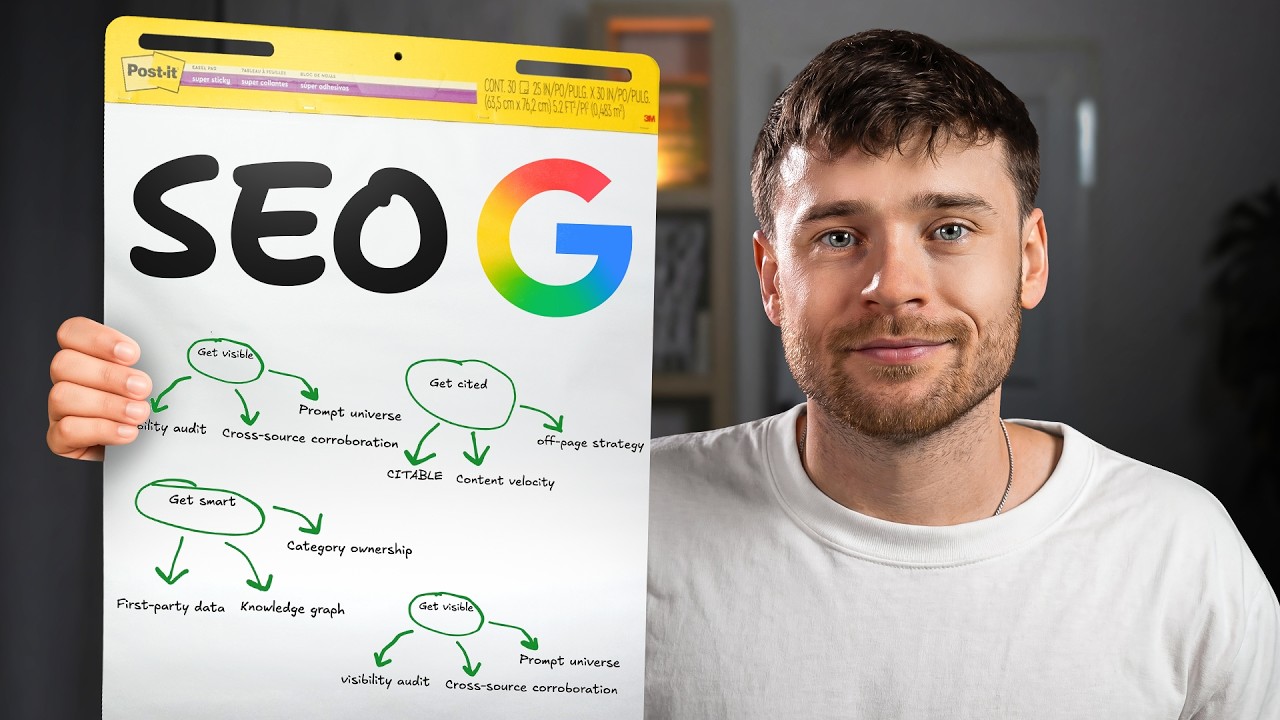
Podcast
Podcast
Podcast
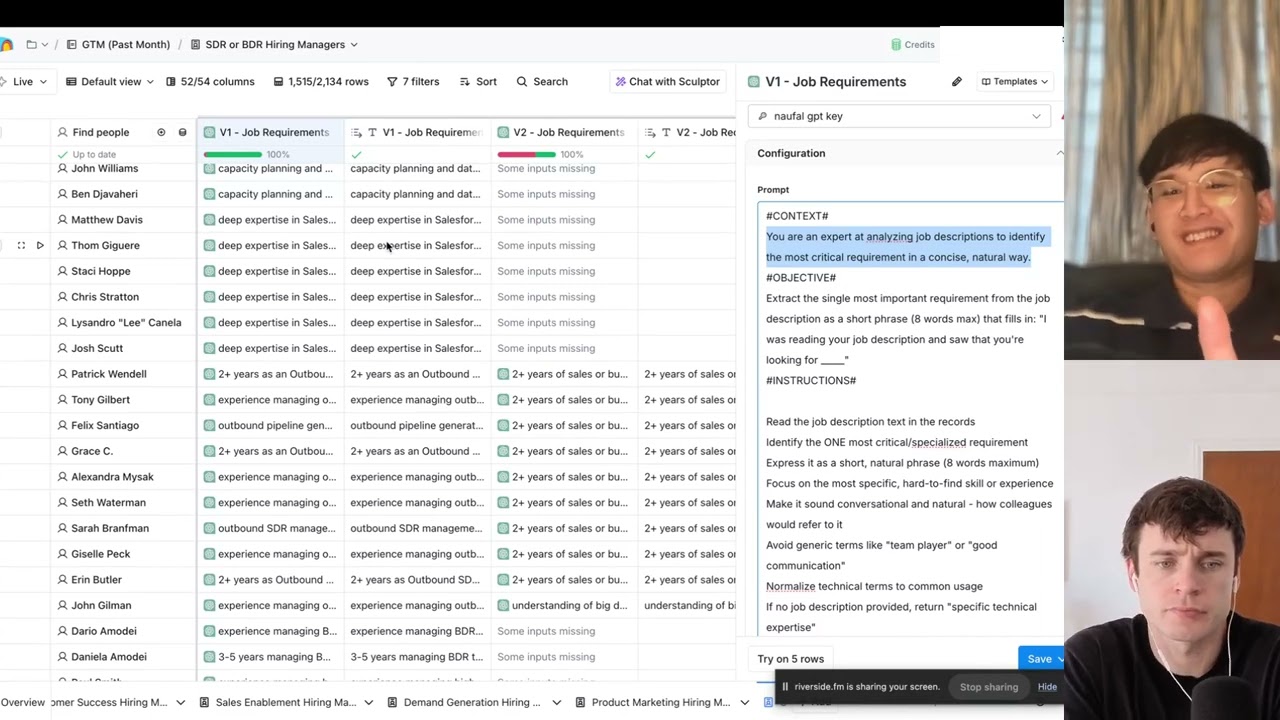
Podcast