Podcast
Full SaaS Cold Email Course (1+ Hour)

Liam Dunne
Host
May 23, 20242:14:29
all right so in this video I'm going to be breaking down how you can beat an entire SDR team's performance for less than $700 per month and realistically while only committing a few hours of effort per week and this is going to be done through adopting CML 3.0 so if you don't know what that is if you don't know uh anything I've just mentioned don't worry I have a feeling this video is going to be a long one and so it will all be covered and and I'll break it down into great detail uh so how do I know this stuff works what I'm about to talk through um the simple answer to that is because you know I've been doing it successfully for the last several years here is some evidence to show that um the first screenshot isn't actually any numbers this is a uh an AI generated campaign we had and the prospect was like you know how the hell did you find out that specific information about our ICP and then the remaining screenshots are numbers so hundreds of opportunities generated hundreds of thousands if not millions of of code emails sent and then if this is your first time watching a piece of my content so quick background on me um I've worked in the SAS industry for The Last 5 Years started off as an in-house employee um so my first job in SAS was as an SDR at a large American tech company I then joined an early early early stage startup as as one of the first growth hires uh I was responsible for Mark uh Marketing sales a bit of product um I then founded my own marketing consultancy and agency where I've worked with dozen of B2B SAS companies um more notably I've helped a few startups go from zero to 10 million to 20 million AR um in most cases they've been low funded or bootstrapped for whatever reason um I've somehow ended up specializing and helping uh lowf funded or bootstrap startups grow um I've worked with Venture backed companies as well but you know my my sweet spot tends to be lowf funded bootstrapped uh and most recently I'm the co-founder of grass.com we help early stage B2B SAS Founders hit their first $1 million without having to raise external Capital more information on that our core thesis case studies testimonials can all be found on the website and uh at grass.com I'm building that with my co-founder who built and exited a software company for $2 million uh as a 21y old and so collectively we have over 20,000 hours of firsthand industry experience he's worked in SAS I've worked in SAS SAS SAS ESS um and why I think it's important to say that is really not to like boast or to brag it's just that anyone can create a video uh anyone can create a piece of content make claims tell you what to do how to do it but not a lot of people can actually back it back up those claims of evidence and and show you proof of them doing those activities so I think it's important to to add that so jumping into it um for the next few minutes I'm just going to give context as to what coldo 3.0 is you know what the history of coldo is and how it impacts you today and you know just the things you need to be thinking of if you're doing outbound Marketing in in 2024 and Beyond so it's no surprise that almost every B2B tech company uses outbound for customer acquisition you know it's a reliable effective method to acquire customers and the methods and tactics used today were heavily heavily influenced by this book predictable Revenue which was co-authored by Aaron Ross uh he helped build the internal processes uh um for for Salesforce he built the inside sales team at Salesforce that was his responsibility and so a lot of what he did in Salesforce and um talked about in this book a lot of those tactics companies are still using today almost you know 15 years um after the matter and so the fundamentals in predictable predictable Revenue are Timeless um as most fundamentals are but you know people are still running the same playbooks uh the same tactics from from this book that was in you know released in 2011 and so over time it's become harder um as the market has sophisticated more people are sending more emails and these tactics are just being rinsed and repeated and you know this is supported by data uh here we can see the number of attempts to book a meeting by an SDR over time uh and this stops at 2022 I would actually argue that 2022 is probably when you know the biggest changes in cold emo happened that we've seen over the last decade and so you know today it's going to be even more touch points than this it's it's really become uh sophisticated and that's exactly what I'm you know I'm hoping to show you in this video is how to still win and so I've mentioned codl 3.0 a few times um 3.0 suggests that there's a 2.0 and a 1.0 um so just so that we're on the you know the same page with what that all means um so every if we rewind over a decade ago when cold Emil was this you know new shiny thing uh back then people were mostly sending emails manually so if you just imagine for a quick second go into Gmail click in you know send you email manually enter entering the prospect's email manually writing the body text and manually click and send that's how people used to Cod email um some companies would have you know in-house bespoke software either to you know um scrape websites for contact information or to to automate that that manual process um but you know there wasn't really like commercial software um for that so characteristics manual effort which of course is inefficient uh low scalability if you wanted to send more emails then you needed more people and time which is you know expensive and um inefficient uh however it worked well because not many people were doing it the barrier to entry was higher you know you had to be um well one the time you know um just the scale you could send was was less than what is today there was also a skill factor um you know cold emailing was this new thing and so be able to write effective copy inside your emails um you know not everyone could do that and of course if you were going down the in-house software route well again you know there's a cost and time associated with that so not a lot of people were doing it which meant uh it was more effective as a channel and less competitive so tools are methods uh Native email application custom scripts and scrapers uh lead Farm so these are you know third parties typically offshore that have large databases of contact information still very much used to this day uh and then of course manual emailing so we fast forward to cold email 2.0 this is kind of the the sort of um the era that I was in when when I first became an SDR so this is where you know commercial software comes into the picture so semi automatically send in emails with software rather than you know manual one by one in Gmail and also getting contact data from commercial software as well so elements of automation scale is still a function of people and time but also now software because commercial software entered the market this is really the birth of the sales engagement software category so some of the the biggest names you see today they were sort of born at around this time um and because they were like first to Market you can charge what you want um and so very very expensive software still is expensive today they sort of haven't you you know evolved as the market has and so it's really not uncommon you know these these tools to be paying 20 30 40K a year um which is really expensive um when you consider what's available today medium to high Market sophistication more people are sending more emails and so the effectiveness of those um of those emails is less um but not not so absolute it just meant that you had to be better um whereas you know when there was low Market sophistication you could pretty much get away with saying whatever and it worked because people weren't receiving many emails whereas now over time people have you know subconsciously we we ignore cold emails and so you have to be better to stand out so tools and methods uh sales engagement software contact data software and semi-automated sequencing so what I mean by semi-automation is so when I was an SDR you know I'd go to the office and I would have this queue of tasks set up um in outreach.io and so you know one task would be like you know send this email to John and so I would manually personalize the email and I'd manually click the button send all right so semi-automation the software is sending the email on the back end but there's still a human in the loop which has just uh been completely removed uh today if you want it to be and then where we are today C coldo 3.0 so this is where you can automatically write and send emails uh commercial software for data is still there if you want to go fully automated that's where you can um you know uh speak to various apis to programmatically scrape data verify it clean it um and use that to personalize emails as well characteristics automated um scale has now become a function of software and process rather than people uh the software is cost effective because um well the barrier to entry for building software has lowered today due to various factors um and so more software products are being created which means there are more tools in the market which means price has been uh driven down um so what used to cost you know $20,000 a year you can now get for $100 a month um and then High Market sophistication because of the the barrier to entry for various things has lowered more people are send in more cold emails which means uh competition is higher it's tougher to stand out and so that's what I'm going to be talking through is how you can still Stand Out despite all of this going on and so tools and methods sales and sales engagement software contact data software automated sequencing so you no no longer need someone being paid $50,000 to $80,000 per year to be manually sitting there clicking buttons and then we had the introduction of some unique mechanisms that really are kind of a foundational piece in codo 3.0 which is Inbox rotation multi account sending domain warming I'm going to be digging into a lot of detail about what those are and then something else that was thrown into the mix was generative AI so there's a lot that's happened over the last couple of years um hence we've kind of entered this new phase of coldo which I'm going to be breaking down in great detail um and just it's worth noting that most companies are still using the methods from 2.0 they still they still have large bloated expensive SDR teams sales teams um whereas today you know 80% of what those teams are doing can be automated um and it's not just about automating what they're doing it's also about getting better results as well so there are far less inputs um while getting far more outputs so it's not just about more automation it's actually about getting better results as well so as I mentioned you know generative AI has recently come into the picture um so the barrier to entry um has just dramatically lowered for for cold outbound because the democratization of tech more tools have been created which drives down the cost the tools have better capabilities which means an individual has far great output and the skills required to to do outbound marketing has lowered as well you know something that used to be reserved for technical people to write that you know inhouse bespoke software uh even like you know bespoke scraping solutions to where we entered like low code no code where commercial software came onto the picture to where we are today where you can quite there you know quite literally that there are tools that you can use to uh research your prospects write your emails and send your email EMS programmatically um no code um you know so the the barrier to entry has has just dramatically lowered so it's just it's I would say it's financially irresponsible today to still have large SDR teams using these 10-year-old playbooks and and tactics when you know you can be achieving far greater outcomes with again far less inputs and by inputs I mean overheads uh you know time and effort and so the the kind of core point I'm trying to get across in this video is that you know I truly believe an individual adopting the coldo 3.0 methodology can generate more results than an entire team of sdrs using the 2.0 methodology um and I would go as far as saying that you know I'm confident a part-time contractor could do this you know everything I'm talking through can be outsourced or delegated doesn't need to be you doing it and it certainly doesn't need to require full-time effort um and I say this because I've done it you know I've done this for multiple several companies with a few hours of my own effort per week um and you know companies have paid me a significant amount of money to implement this methodology and so the objective of this video you know I get a bunch of um messages and and emails about you know questions about this sort of stuff and so I thought I'd just Chuck everything into this one video teach people how to do this so you can implement this in your company uh for free because the truth is what I'm about to talk through isn't it's not some like black magic like witchcraft um you know myself and hundreds thousands of other people have been doing this for the last two years um and so if you're only learning this about about this in 2024 then you know you're kind of two years behind the curve um so nothing I'm talking about is like extremely new but if you're not using this method um in 2024 then you're definitely going to be behind your competitors and then of course if you want a higher probability of success then go to grass.com will help you implement all of this okay so how to adopt coldo 3.0 number one you need to focus on your infrastructure Landing in the primary inbox so the number one important factor when doing cold Outreach is your deliverability right it is a silent killer it doesn't matter how good your product is or how personalized your email is if nobody sees it due to your emails landed in spam um right so doesn't matter how many minutes hours you've spent on craft in the perfect email you know uh putting together your contact lists if those emails are going to spam it's really all for nothing um and so not taking this seriously can result in not only your Cod emails landed in spam but also your company and client communication emails invoices check-ins you know investor updates all of those emails can also go to spam if you don't prioritize your deliverability and this actually happens I'm not fearmongering here you know here's a transcript from read. a which is a AI transcription tool of a call I had recently where this exact scenario is happening so so if you zoom in here uh past four to five weeks normal emails uh where we've had an established relationship and we send an email with an attachment or instructions or anything and it lands directly in their spam so client communication emails go into spam because this company didn't uh prioritize deliverability they were sending cold emails from the company's primary domain those emails over time have been reported as spam or they've been filtered as spam and it has affected the entire company's primary domain um just because of not prioritizing deliverability and so this isn't this is not only just like an inconvenience you know and possibly embarrassing but it's also you know a a business risk right invoices being missed you know investor updates these are all business uh risks that can cost you know a lot of money and embarrassment and so concept i' like to introduce you is domain reputation so the overall health of your domain as interpreted by mailbox providers uh is your domain reputation so your reputation is determined by various factors such as engagement SP uh spam complaint rates spam traps and bounce rates and so a low domain reputation is going to increase the probability of your emails lending in spam and eventually if you know it gets worse enough can result in your domain being blacklisted which is a bad day at the office right that's where you know these email service providers basically throw your domain domain in the bin they Point At You and they call you a spammer um um and realistically does Google Outlook and other esps do they you know are they going to Prior like are they going to care you know if you reach out to them and complain hey you know you blacklisted my domain they're probably not going to care right that these are large uh billion dollar trillion dollar um you know Tech Giants you know they're not going to care they'll they'll happily Blacklist your domain if it's been reported a Spam all right and so this is really the end result if you don't prioritize this and so with uh most things prevent is easier than cure and so I'm going to show you how you can prevent this from happening as well as just you know as your cold emailing in the long term how you can preserve your domain reputation for longevity as well so how you can prevent this from happening but also while cold emailing some things you can do to preserve your domain reputation as well and you must protect the crown jewels right um you know it's likely that you're an online business you're you're you're selling to people on the internet and so your company's primary domain is like your your shops storefront right and if if you lose that if you know people can't get into the store then you know it's it's a it's a huge business risk so something to really really take seriously okay prevent just going to take a sip so how to prevent things like this happening um one way is to use secondary domains and accounts so to prevent your company's primary domain being burned you should isolate it from your cold Outreach activities and the best way to do this is by utilizing secondary domains and accounts so when I say secondary domain I'm talking about um a domain that's used for code Outreach often it's named um similar to your company by a pending a prefix or suffix and redirecting all traffic to your landing page so if your company's primary domain is google.com a a secondary domain that you could purchase and set up could be try goole.com so we've just added a prefix and so it looks uh like from um the perspective of a prospect it looks normal it looks like you know oh it's still google.com um and we're if anyone goes to try goole.com we've set up a redirect to you know the company's primary domain to avoid suspicion what I mean by this is um you know just imagine for a minute you receive a cold email from a from someone uh what you do is you copy their domain name you put that into the URL bar and you go oh who the hell is this if that you know get like a 404 error like this page does not exist that's immediately suspicious and you're probably going to not reply to that person not work with them maybe you might report their email as spam whereas if when you did that it redirects to the company's um website well you're none the wiser it would just happen instantly and so um it it decreases suspicion right it looks dodgy if you're sending emails from a domain that realistically doesn't exist on the internet right there's no website um so it's a slight Nuance like this you need to understand that makes a huge impact so that's secondary domains we then have send an account so these are individual accounts also known as like users or inboxes that sit underneath the secondary domain so if the secondary domain was Tri google.com a sending account could be Liam atry google.com johnry goole.com so these are the individual accounts underneath the domain so besides deliverability you know um sort of I a in your coldo activities from your company's primary domain this approach is what also uh facil facilitates horizontal scale which I'll discuss later so rather than requiring people to scale your Outreach motion you simply purchase additional secondary secondary domains and accounts which is more efficient and gives you more leverage so this illustrates that so you know most people they're still adop in this model here scale by people so you have sdrs each SDR has their own email account uh you know sending my kpi was 40 emails per day some people might send more um but you're kind of limited of how many emails you can send per day right if you're sending 100 emails per day from like one sending account again that looks spammy think about it who who what average person sends 100 emails per day via their Gmail account right Google Outlook they don't care if you're you know send in internal emails or external emails they just see a number and if somebody send in 100 EMA emails per day that looks spammy um so there's really like a a seal in to how many emails you can send per sended account all of these sended accounts are connected to the primary domain you know they're all sending emails from their company's primary domain uh so about 160 emails per day right eventually you're going to get your domain blacklisted that's one thing but also you're just limiting yourself by scale if you want to send more emails you need more sdrs which is expensive in comparison to when you scale by software where you could have one SDR you know this could be an SDR could be you could be anyone doesn't have to um be an SDR and this SDR is controlling several sending accounts all connected to secondary domains and so each one of these send in accounts could be send in 25 30 cold emails per day um so we're still you know we're still keeping the volume um reasonable but we have far more sending accounts and far more U secondary domains so if we want to send more emails we just purchase more sending accounts and domains which are going to be you know uh 68 $10 a month rather than more sdrs which are40 to $80,000 per year so horizontal scale so setting up your sended infrastructure um I'm going to be giving a high level overview of how to do this but if I was to go into great detail step-by-step of how to do this this video would probably be like four to five hours long so I have got a full step-by-step guide on how to set up your sended infrastructure I've got Sops recorded with looms um that you can either follow yourself or you can could easily delegate to somebody uh to follow the steps um so if you want access to that let me know uh and I'll give you access I'm just going to give a brief overview in this video so you understand the the concept um so if you do delegate it at least you know what's happening U behind the curtains so step one um we're going to purchase secondary domains so to purchase domains uh you can use GoDaddy which is a a domain regist I'd recommend purchasing at least 10 domains um but you know if you have a specific goal in mind maybe you're working towards uh an objective this month this quarter you know you need to book a certain amount of meetings you need to generate a certain amount of uh pipeline then just reverse engineer how many accounts you're going to need but 10 is just kind of a good ballpark to start with um so here are just some inputs you can use to sort of reverse engineer how many accounts you need so recommendation is uh you have three a maximum of three sending accounts per domain um you send a Max of 25 Cod emails per send an account per day and so that will give you a Max of TW uh 75 cold emails per day per domain which is 1500 emails per month and so if you need to send uh you know 15,000 emails a month or 30,000 emails a month you can just reverse engineer you know using your kpis to understand how many sending accounts and domain you need and um you know if you're if you have 10 domains you know with 20 30 sending accounts uh if this is your first time doing it it might be confusing you know what should I name those domains I can't come up with names um there's this spreadsheet here where you just list out how many domains you need how many sended accounts and it will automatically populate um you know uh domain names that you can purchase so if you need access to that just just give me a shout best practices uh so always prioritize do domains over anything else they just look the most uh legit um so try to avoid you know XYZ and all these other cheaper domains try to prioritize um avoid using excess numbers letters or symbols so just imagine again from like a prospect's perspective you you've received an email and you know their their their uh domain is like you know Google abc1 123.xyz right it just looks dodgy um so you just need to put you know think from the prospect's perspective but also you know um the esps they might also uh look for those sort of things you just want you know just look legit avoid resellers and cheap options where possible it's just not worth the risk so think about there's and this is become popular today and you know this is probably a point of debate but you have two options purchase domains directly from domain registrar that have been in the game for decades um are you know reputable sources of domains it's their their business or you know go through a reseller who's been around for a few years um can save you a couple of dollars per domain I would always choose you know the reputable domain register like sure you might save a few hundred but I think personally this is just something that you do not want to cheap out on um it's worth the extra few dollars and we're literally talking you know you're going to be paying two three four do extra per domain um so you know as the saying goes buy cheap buy twice um and so this is what the spreadsheet will look like so it's add added these domain uh variations down with the uh email address variations as well so go Daddy this is what this would look like testd dig.com you just purchase the domain um and yeah P purchase around 10 so once you got domains um they're going to be brand new and so inherently your domains are going to have low domain reputation right in the eyes of Google or Outlook um you know you're a fresh kid on the block your your domain and so you know inherently they have low domain reputation it's kind of like you've got to prove yourself you've got to prove to these esps that you're not spammer you know you don't have malicious intent that you're a legit legitimate business that wants to you know communicate to other businesses you kind of have to earn that um it's not a given right away and so um in the following steps I'm going to talk through how you can you know improve your um sender reputation and not be blacklisted right away so one part of that is setting up the right technical controls so it just keeps everything aboard uh everything above board and it's just a low effort high impact way uh to prevent deliverability ISS issues so this is going to involve going into your DNS settings uh domain name system uh and add in record specifically you're going to be adding dkim SPF and dmark Records which are all just if you're not familiar with what what these are they're just mechanisms uh for email authentication so they just show to these esps that you are who you are um you know if you're familiar with uh you know like cyber security it's very common for like email spoofing like fishing emails where people or trying to pretend to be other people all of these mechanisms are just uh you know are counter measures for that then also you're going to set up MX record so GoDaddy is a domain regist they sell domains they are not an email service provider at least to my knowledge so we're going to be using G Su for that um there is a debate with regards to Google versus Outlook uh versus other email service providers personally I found Google to be absolutely fine something to test for yourself and keep an eye on um I think this debate is more relevant if you're an agency and you're working with several clients and you're sending hundreds of thousands if not millions of emails per month then I think this debate is more relevant whereas if you're just one company a SAS company sending emails for your own interest I think it's less relevant um so this is what your DNS settings are going to look like uh so you're going to add uh um got mx records up here SPF dkim and dmar again I have a step by step guide on exactly what these record values need to be you know how you verify them etc etc but just to help you understand what's going on behind the scenes here once we've got the domain set up uh the technical controls are good um we're then going to create the the sending accounts so remember these are the the actual inboxes underneath the secondary domains and we're going to create two to three sending accounts per secondary domain so if my secondary domain was trig google.com I would create Liam at trig google.com liam. D trig google.com and liam. dun trio.com so just slight variations of my name that's going to give us three sending accounts so um you know just from your perspective I would put these sending accounts in your name or a team member's name don't try to do anything crazy or or or you know fun um you know we're doing legitimate business here we don't want to like try trick people you know these need to be real people these sending accounts um add a Prof profile picture again if you receive an email from somebody they don't have a profile picture they don't exist you know you search their name on LinkedIn and they don't exist you know um or they're like AI generated again that's going to be suspicious it rubs people the wrong way and so the probability of them not replying to you not working with you increases significantly so that's why real people real profile pictures um and when you're dealing with you know dozens of sended accounts it can get messy so just use a password manager uh don't store your passwords in spreadsheets uh okay okay take a drink all right so once you've got your secondary account set up um it's time to prepare them for cold Outreach and we do this through a process called domain warmup so this is something I mentioned earlier in cold EML 3.0 essentially what this is is where your new sending accounts are put into a pool consisting of hundreds of thousands of other sending accounts and um what these these tools you do this via a tool is they mimic human behavior so you imagine this pool of hundreds of thousands of sending accounts using automation generative AI they send emails to each other so they engage with each other uh to mimic human behavior and there's also some other elements like for example uh if your email lands in spam uh one of the sending counts uh the person you send the email to they'll remove your email as spam and Mark it as safe and so just mimicking different human behaviors to to signal to email service providers that these accounts are legitimate and not spammers and so over time this increases your sender reputation now um before people used to just do this manually they used to subscribe to newsletters they used to um have scripts or or you know just do it manually to send you know emails to each other this is just a way of doing it automatically and so it's just a you know um a part of colda 3.0 and just something that people weren't really doing before um so this step is non-negotiable right um as I said your secondary domains your new sending accounts are default suspicious you know they they default look dodgy you need to kind of prove to these esps that you're not dodg uh not dodgy and domain warmup is part of that it you know over a period of 14 days they'll see oh look this person's sending emails to people their emails are being Mark does not spam people are replying to their emails oh okay you know um they look legit and so it increases your sender reputation now the recommended warm-up period is 14 days I recommend you use a tool like instantly. a which is going to um enable you to uh use domain warmup with one click so it's a very easy platform um and we'll be talking about instantly. a throughout this entire video you can use their domain warm-up feature you can send emails you can even use them for leads inbox management everything for about $97 per month so if you compare that to the likes of Outreach sales loft where you're paying 10 15 20K a year for $100 a month you can literally have everything under one roof um and so when you add your email accounts to instantly just one button over here this fire icon you click that and it enables it and there's there's nothing else you need to do really um okay so after 14 days your new sending account should be ready to use so you've purchased your sending accounts you've um sorry your secondary domains you've set up your uh sending accounts from that day you want to add them to a warm-up tool straight away such as instantly. a and you want to warm them up for around 14 days at this point during this period you are not not send in any cold emails because that will look um you know the likelihood of those emails landed in spam is just so great so you need to warm your sending accounts up increase your sender reputation then you can start sending code email so just factor that into your uh timelines so a summary for infrastructure then deliverability is the number one important factor in cold Outreach doesn't matter how good your emails is are doesn't matter how good your contact data is doesn't matter how good you are as an individual at writing emails if they're getting uh sent straight to spam you know it's all for nothing uh protect your crown jewels um so again this is this is greater than cold Outreach you know it's a business risk if your uh company's domain gets blacklisted so be sure to use secondary domains and sending accounts and you know it's it's about um preventing your company domain from getting blacklisted but remember it's also a way to facilitate horizontal scale um so you can send more emails book more meetings without to hire more people and then when you've bought them you're going to prepare your sending accounts setting up those DNS records and warming them up for a minimum period of 14 days yeah just a reminder I've got full step-by-step guides if you need you know literally bullet points on how to set this all up if you'd rather delegate it or Outsource it um just let me know I I know a few partners that will do that for you uh uh paid moving on contacts so finding people to email so while your new accounts are warming up that 14-day period you know we're not just going to sit around and do nothing we can prepare our campaigns find the leads write the copy get everything set up so on day 14 uh we're good to go so before however we jump into talking about how we find leads you know all of that um it's first important and this is something that you know companies really really get wrong is you need to be clear on who you're even targeting um you know we don't want to just sell to everyone we should have a defined uh segment of the market we're reaching out to because that's going to determine one the methods of how we get that contact data um but two also the messaging we use in those campaigns um you know the better you understand the companies and people you're targ in the more targeted your campaigns are going to be and the better results you're going to see you know how you communicate to a cro is going to be different to a CMO to a VP sales to a marketing manager um we're not going to send the same emails to to all of those people we're going to be very specific and talk about the things they care about the problems they're trying to solve and so first of all to to understand those problems and desires and outcomes we first need to understand who we're targeting and so uh how you get information uh of people at SAS companies let's say you're targeting those is going to be you know wildly different from if you're targeting family offices or private Equity or you know e-commerce companies the methods you use are going to differ and so um you need to be clear on who you're targeting and then the messaging you send to those people is also going to differ and then yeah again like a a slight bit of nuance that sort of people look past um emailing the right lead with the right message is also a way to preserve your sender reputation because think about if you're sending a message to a CMO and the message you're sending to them is completely irrelevant um you know you just speaking a different language um that's going to piss them off right they're going to be like okay this person hasn't spent time they haven't you know um put the effort in and so the the likelihood of them reporting your email as spam or not replying or not wanting to work with you again increases significantly so you need to think about things from the the prospect's uh perspective um so we're just trying to reduce the likelihood of these things happening and you know we're just trying to again you know you should be putting the effort in here um because it can have um it can damage your brand reputation as well if you're just sending irrelevant emails to people so step one of this is we need to Define your ICP so depending on your current growth stage um you might already have a clear picture of who you want to Target uh and what they care about uh or you might not you know you might still be kind of defining that that's absolutely fine but um just a few things to help you sort of Define who you want to Target uh a few attributes so we've got firmographics so these are the the company level attributes of your target audience I'll show uh some examples demographics these are the person level attributes of your target audience you know we might be targeting the SAS industry but really we're targeting the people at those companies and they're all going to have you know um care about different things technographics so what tools and Technologies does your target audience use especially if your product um fits into a certain workflow you know maybe you're on the HubSpot app store or maybe you can only work with companies who are using Shopify you know technographics is really important because of course then we only want to Target those companies and then we have psychographics so these are interests activities and opinions of your target audience um you know a common mistake people make is just talking about business outcomes um but you know a marketing manager doesn't actually care about the revenue like you know they'll indirectly care about the revenue of the company but what they really care about are their day-to-day problems you know generating more leads for the sales team improving the conversion rate of their website um you know publishing more SEO articles these are the Tactical things they care about whereas if you're just talking about business outcomes it's just going to go uh in one ear and out the other so some examples of this firmographics uh so we've got industry company size Revenue geography other so I've just given an example here e-commerce 50 to 250 company size 10 to 100 million Revenue geography North America uh Europe Australia other we only want to Target you know VC backed e-commerce companies in the health and beauty Niche just to give you some examples right and this is the level of detail you want to go to because the text here is going to be the the you know the inputs you use in the the the lead tool I'm going to talk about later right these are the filters you're going to use to find these companies so it's really important you um get clear on what the values are okay demographics so job title seniority so again continuing with the example we want to Target brand managers e-commerce managers head of growth Chief marketing officers so people on like the kind of marketing growth side seniority we only want to Target manager plus because we want decision makers technographics that could look like okay so we're targeting e-commerce companies so you know they're probably going to be using Shopify plus uh after sale gorgeous clavo attentive triple well these are all e-commerce softwares and so these are going to be really good sort of levers um to find uh relevant companies and so the more you know about the people you're targeting the companies you're targeting the the more targeted your lead lists are going to be the better results you're going to see Technologies then cloudfare Amazon a free uh JC etc etc so these are quite broad you know a lot of companies use these whereas the tools are going to be more specific psychographics so interests that these companies these people might care about Che on this podcast which is a e-commerce podcast Sharma brand performance creative affiliate so these are just like topics and things they care about again this is just going to help you craft emails that resonate with them maybe talk about specific um you know topics that they care about uh to to grab their attention Etc activities uh just got some activities here opinions again you know help you craft emails that resonate fears desires wants so what do these people actually care about Channel efficiencies um you know that's big in e-commerce because um profit margins are so low and so you know small improvements have a massive impact on the bottom line uh low subscription costs for Tech stack trustworthy agency partners Community working at headline worthy brand hit monthly and quarterly performance objectives so just some things that these personas might care about just doing this for example sake you know um really you know the people you're targeting you should deeply understand them uh I have a video on YouTube that you can watch on one of my favorite research methods um so you know I call it the water and hole method uh you know going to social media uh platforms forums private communities and um you know just being a fly on the wall and really understanding the people you're targeting so you can create messaging marketing campaigns that that resonate with them okay so we understand who we're targeting how do we get their data so there are three primary methods of getting contact data in order of ease so number one is uh database tools number two scraping tools uh number three data aggregators and this is more advanced so breaking that down database tools so these give you access to leads or companies for a monthly fee they're the easiest and most beginner friendly methods for finding leads however often not the the cheapest or most effective method um because they're the easiest method they come at a bit of a premium because these tools have done some of the leg work a lot of them have you know their own collection methods uh some of them are quite smart for example Apollo when you connect your email account they basically download all of your contact lists and then um you know make them available to all other users in Apollo uh some of them have uh other collection methods like they scrape databases uh they use lead Farms etc etc so they're doing a lot of The Upfront work for you uh and hence why coming at a premium so common tools of choice Apollo this is probably yeah most popular one instant Le lead finder uh and list kit so using the native filters inside these tools you can build uh semi- targeted lists uh and then you export the contact so using those uh these values here that we created um while defining your your target audience you can see we've directly used those as inputs in the filters in these tools so these tools have various filters you know firmographic demographic filters like company size all the things You' typically see on LinkedIn are you know the filters you would see in these tools um yeah so Apollo and instantly both of these have um lead databases and they also have ascending Tool uh capability as well um I would personally recommend instantly I've used a polo in the past it wasn't that great um my understanding is they don't uh have inbox rotation while account send in either um but you know something to test for yourself I've used Apollo before the deliverability was quite bad I switched over to instantly everything uh improved but you know um being unbiased something to test for yourself I just highly recommend instantly list kit is just a database tool they don't have a a sendin platform and so the reason why I say database tools aren't the most effective method they're certainly the easiest but they're not not the most effective is because sometimes these these native filters they're not enough um so for example if you're targeting e-commerce companies there is no industry filter called e-commerce uh for example or or if you're targeting SAS companies there is no industry filter called you know software as a service um and so because of that it it you know you tend you you can't create highly targeted contact lists um and you sort of have to you know apply these hacky methods um which just means you you get these cont list that have like irrelevant companies which just means you know you spend more manual time uh cleaning your lead lists so to get to that and perhaps you know you're not Target in e-commerce you're not targ in SAS and you get along just fine your industry is available in these filters then you know you're you're solid you're good um but if you are in these sort of uh more obscure niches um then there are some more extra steps you can do to build more targeted list so to get that level of detail uh I recommend using industry specific databases or directories as a preliminary step to to using these tools so for SAS companies you can use crunch base or harmonic for e-commerce companies you can use store leads or brand naav private markets so for example you're going to after to like family offices you can use pitchbook for local businesses um you can scrape companies from online directories so there's directories out there that list you know all the plumbers or electricians in your area you can use um tools to to scrape the data from those directories or you can just you know hire someone from upwork or or Fiverr to do that on your behalf um so You' use these as a preliminary step so if I was targeting SAS companies I would um get a subscription to Crunch base it's like $600 a year um I would get a list of SAS companies you know there's uh tens of thousands on there maybe hundreds of thousands so I would get that list of SAS companies and then I would upload that to uh a tool like Apollo um and then I would find the decision makers at those companies so it's a preliminary step just to make that more um more targeted yeah that's what I just said here um it's just a better way you're going to you're going to see that your your um lead list they going to be far more targeted and it's going to save you time and and headache so scraping tools um have to we're keeping everything above board here I have to say like for most platforms um scraping is often against their you you know terms of service so do this at your own risk I have heard some cases of you know people using scrapers on LinkedIn and getting their LinkedIn account restricted or banned so do this at your own risk I've personally never experienced any issues um but you know just something you need to be aware of um so scraping tools give you the ability to scrape data from various sources so either via a plugin so like a Chrome extension or they have like a user interface that you can use now the between a scraper and database tool is that database tools have an existing database of contacts that you can export so Apollo they have hundreds of millions of uh leads in a database that you know you can just filter and Export whereas with uh scraping tools you're finding the the sources of data yourself and then you're using that tool to scrape um and of course they have some you know a mixed match of sources on the back end they're you know basically all these tools are apis string together um and they might have their own collection methods as well but the point being is um typically it's like point and shoot with uh lead scrapers um and because of this they just tend to offer more flexibility with regards to targeting and are often cheaper than database tools due to this like do-it-yourself uh element so I know with a tool I recommend here find email it's about 2 cents per verified email some other tools prospo and drop contact UM my preferred method using the scraping tools is uh using LinkedIn sales Navigator uh so basically putting all the filters in here like uh demographic and thermographic information and then in combination with find emails Chrome extension I then scrape these contacts so you can see here just for example sake I've added some um filter in here uh I've uploaded account lists from crunch base so again there's no SAS industry filter on uh LinkedIn sales naav so I've exported SAS companies from crunch base I've then uploaded them to LinkedIn sales Navigator um and then I use find email to scrape the contact information of the the people at those companies yeah there we go um just something worth noting to use these account lists you need sales Navigator Advanced which is about $200 per month um so you won't be able to do this just with the normal uh sales Navigator premium so that's lead scrapers uh so then data aggregators so this is more advanced methods um I would only I would I would definitely start with these two um but if you're comfortable with this you know I'm speaking in your language and you've been doing this for a while um then you could probably skip straight to data aggregators so these are tools that combine several data providers Under One Roof so they're they're more advanced um and they tend to result in a better find rate um so what I mean by that is let's say there's a list of of uh 100 Leads Here typically these tools will only find 20 30 40% uh of emails of to you know 30 to 40 people out of the 100 um you'll get their emails so it's not 100% find rate whereas using this method you know you can increase that that find rate so you can get more emails for the same cost uh yeah which makes a considerable difference at scale right if you're getting 10 20% more emails and you're contacting you know tens of thousands of leads per month that's a considerable difference at scale common tools for this then clay and better contact so these tools they use a method called uh waterfall enrichment uh which connects several data tools together either by you know native Integrations they have or apis so kind of you bring your own API key and these tools will um speak to those apis and do waterf enrichment for you um and the way it works is it's sort of in a sequential order it tries all these different uh data providers to find an email so let's say um I try to find the email of a prospect it's first going to try this tool if it doesn't succeed it's then going to try this tool it's then going to try this tool so you're kind of increasing your surface area uh and increasing you know the the probability of finding an email um so it's it's a more modern method for for um getting contact information but again it sort of comes at a premium um for these tools okay okay so data verification so um a lot of these tools get their data from similar places uh they you know some of them use their own collection methods sometimes they use uh permutation which is basically just a fancy word of guessing emails um you know if you think about it most email addresses are structured in uh the same way it's just like firstname domain.com or first name. lastname uh domain.com so a lot of these tools will just guess emails and that's part of the reason why um some times you get invalid email addresses for them which it says here so um you you'll find with some of these tools that the email addresses they provide you are invalid especially if you're using something like Apollo um and then if you combine that with the fact that you know people are always switch in jobs um you know people's email addresses are constantly changing right you might have somebody's email address but then they move company and that old email address is now invalid because the inbox has been shut down um and so verifying your uh lead data is is critical like you need to be doing this um you know skipping this step is is just going to result in higher bounce rates because those emails don't exist or you know they're just invalid um and so that's going to severely impact your deliverability again if you look at this from the perspective of the esps if you're sending you've sent 100 emails and 10% of those emails have bounced because the email is invalid or whatever you know in the eyes of the ESP it's going to look like well you know this person SP spamming people like why are they sending emails to invalid emails um it just looks dodgy and so you know uh you want to always aim for a bounce rate that's less than 3% if you just say get a list of contacts from Apollo and just Chuck them straight into your sequencing tool you're going to see bounce rates of like 10 15 20% uh which is just again you're going to Blacklist you're going to burn your domains super super quickly so you need to be uh verifying your contact data um I will say that some of these tools I recommended like find email and uh list kit they verify the contact data for you so this is something really important to understand if you use Apollo uh unless it's changed recently um you know 20 to 30% of the emails it gives you will be invalid they won't work whereas tools like find email and list kit they will only charge you for emails that they verified themselves and so really important distinction to remember so um common tools of choice you can use never bounce million verifier find email they have it built in instantly lead finder again verification built in list kit verification built in and Clay uh if you just want everything Under One Roof so Clay is a data aggregator um you know they integrate with these verification tools as well so just to show you this in practice um so uh you know I exported some leads from um a data tool and then I ran it through a verification tool and so as you can see a significant amount of this data has been marked as unknown or failed um so we've got how many emails have we got here 13 the ones highlighted in green are the ones that have passed and been verified to be real email addresses the ones in yellow are unknown so they might have uh catch all the ones in red have failed so the email address does not exist and so you can see out 13 only 1 two 3 four five only five of them have returned as past um so just to show you kind of you know imagine this is a list of a thousand leads you know it's a lot of email addresses that are a bit risky um so you should remove all of the emails in red that failed um whereas catel the ones in Orange yeah orange this is a personal decision um catch all doesn't necessarily mean that email doesn't exist um so you can still Senter these but you know just keep an eye on your your bounce rate because it's kind of it's a maybe uh doesn't mean they don't exist but also they they might not exist um so there are some tools out there that would do this verification process for you but if you're going with the database tools it's always worth uh just doing this yourself yeah you do not want to miss this step okay so you have verified your data next you want to clean and format it so emails being labeled as spam can happen manually due to a prospect marking your email as spam or um these esps they you know they have uh triggers they have system set set up to also look for and a monitor for spam as well so most people focus on trying to you know avoid these um these automated systems that say uh you know Outlook and Google have for example you know not having links in your email most people focus on those um but the former you know reducing the probability of someone manually reporting your email a Spam is also important um and so a simple way to decrease this is just by ensuring your uh contact data is clean um you know making sure the messaging you use in your campaign is targeted it's relevant for the person um and you know you're you've removed sort of traces of automation uh in your email so what I mean by that is you know ensuring that names are spelled correctly and mapped to the right email address so for example um you know it's not uncommon for some of these tools to get it wrong and you know have the wrong first name or say if your targed him I've had this happen before where one of the leads is a doctor and you know it has like doctor as their first name and like not their actual first name and so imagine it you know you send an email to them it's like hi doctor I mean that might look fine but you know it's just you know you should really put their first name or sometimes the first name column has their first name and the initial of their surname so if someone sent me an email went hi Liam D again like straight away I know that's dodgy so you just want to manually review um uh well there I'll show you some automated methods as well but you just want to review your your contact data just ensure everything's good uh another one is uh company names um so typically company names will have these like excess letters prefixes and suffixes um you know if somebody sent me an email and said hey uh Liam I saw you're working at dced limited again like you would never say that in a conversation to someone you would never say limited you'd never say uh LLP or partnership or anything like that and so if you're saying that in an email uh you know kind of gives the game away right away um and also just make sure you're targeting the right people again if you're you know um you what you say to a CMO is going to be very different to a cro or VP of sales or a Founder CEO and so just you know it's the right thing to do ensuring that you're sending relevant messages to people and so yeah kind of analogy here so if a job candidate is late to their first job interview interview with you even if they smash that interview with flying colors you know they're they're an A++ um candidate the fact that they were late to their first job interview will still be on your mind you know because it's a it's a basic of it's a matter of basic professionalism and organization right even if they smash the interview in your mind you're still going to be thinking why were they late are they disorganized you know um this has been on the calendar for days that's still going to grate at you and so don't give prospects a reason to disqualify you because you forgot to format their name or their company name or you sent them the wrong message don't give them a reasons to disqualify you and Mark you a Spam simple way to avoid making mistakes with company names is just to avoid using them altogether um I've personally tested this uh not using company domains and didn't really see a difference if you have to use them then you know just make sure you're you're cleaning and and formatting your data um I actually created an App script that will uh format your data automatically for you uh so you can just add this code into um the custom scripts in uh Google Sheets and this button will appear clean data um so what all you do is you just change the column um and then you click that button and it'll clean your data automatically uh if you need this script just send me a message and I'll send it over to you um so that's a way of doing it automatically of course the alternative is just you know y Old Faithful doing it manually um so a lot of this manual tedious work can be done automatically you know if you're going to use the app scripts if you're going to use you know a GPT plug-in uh if you're going to use something like clay they have kind of um features that do this automatically as well or if you just want to keep it basic you know you can just delegate this to someone else whether it be in-house team member or hire a you know an offshore contractor to do this uh as long as you have Sops that you know just guide them step by step through this process um you know it can easily be taken off your plate you know realistically should you be spending your time you know spending hours a week in spreadsheets you know deleting letters and numbers probably not right so this is something you want to delegate or or automate um so yeah these are just some like Sops I had internally that I uh Outsource this uh so summary for leads then so in terms of ease datab based tools scrapers aggregators um because the market is so competitive at the moment you know a lot of these tools kind of do the same thing and so just you know shop around for a bit uh make sure to verify your data or use a product that has verification built in can't stress this enough this is actually one of the reasons if we if I refer back to that example of that person I spoke to their company's domain got blacklisted one of the reasons that happened is because they weren't verifying their contact data they were just trusting um I think it was Apollo or or reply.io they were just trust in the data they gave them and then the entire ATZ of lead management can easily be automated or delegated with the right systems in place again you know you should be working on higher leverage tasks a lot of this can be delegated or outsourced okay moving on so um creating High performing campaign so this is the the moneymaking stage right we've got the infrastructure set up we've got a list of leads well what do we actually say to those leads and this is you know probably the most important step right the other stuff is kind of like table Stakes this is where um you know everyone in the world can be can know how to set up secondary domains they can know how to clean leads but if you don't know how to write effective cold emails then again you're not going to convert so most people fail uh due to these reasons so number one they aren't Distributing an offer number two they uh are unable to turn messaging into copyrighting and number three the velocity of experimentation Is Not Great enough so um if you look at this this is from something we um a concept we teach in Gross at grass.com is the the hierarchy of impact so in the middle we have the offer layer this is like your product the product you offer uh well the product you have and the offers you use and why this is the most important in the hierarchy of impact is because well you can be the greatest cold emailer in the world um you can have the best subject lines etc etc but if you don't have something people want you know if you don't have a good offer if you don't have a good product then you're never going to convert right and so it's always you know the number one important thing is your offer we then move out to the message layer so messaging is different to copyrighting messaging is the build blocks of your company it's how you differ to competitors it's why you exist the problems you solve the change um you see in the market uh all of that good stuff um and so here it's the messaging your positioning and the people you're targeting uh and then we move on to the creative layer so this is like things like add creatives the copyrighting the angles you use again like your copy is only as good as the the messaging you have right um You can't write copy without knowing who you're targeting and what problems they have and how you're unique to competitors and then we move on to the Tactical layer which is tactics process tools right and this is where most people focus they like oh my cold emails aren't working I need to change my software or it's the lead it's the it's this platform's fault or um H you know we're not doing it the right way whereas um most of the time it's because they have an offer problem or you know they just don't understand their audience deep enough or they haven't positioned themselves uniquely against existing competitors so just always think about this the Hier of impact um most of the time you have an offer problem or a message problem okay so to expand on these three points here so not Distributing an offer so by definition with cold outbound you are contacting cold prospects who likely don't know who you are right these are strangers they they don't know who you are they don't know what your product does they don't even care about it and they don't trust you um kind of similar to new secondary domains you're default suspicious and so these people owee you nothing right you're disturbing their day by emailing them and so the best way to break past this barrier is by offering them something that is relevant and would be you know irresponsible to refuse um you know has so much value that they'd be silly to say no and I I'll dig into that what I mean by that um so really important uh that your Distributing offers inability to turn messaging into copyrighting then so as I said messaging and copyrighting are not the same right messaging is the building blocks of your company's value proposition it tells us why you exist what makes you unique uh when compared to competitors what problems your target audience has and how your product solves these problems that's messaging copyrighting is how you communicate these things and copyrighting changes right it changes based on geography Persona tone of voice you know Channel medium amongst many other factors right how you commun communicate to people on LinkedIn is going to differ how you communic communicate to people on on Facebook how you communicate to people over email is going to be different to how you communicate to people on your website this is copyrighting whereas if you know you have weak foundations I.E your messaging is bad then your copyrighting is always going to be bad so using uh an example with a pizza uh messaging you might talk about you know how you have fresh Italian ingredients uh secret family recipes you know this is how you position yourself against competitors these are like the foundational elements you know you have woodf fired pizza where is copyrighting okay well let's say you notice um the most profitable segment in your local market um are families and so well with copyrighting that's where you might talk about specific things that attracts families you know sharable Pizza bring in the family together you might use visuals that have a picture of a family sharing Pizza this is all like copyrighting and creative um and then let's say you want to Target like Foodies you know you want Foodies to come and take pictures and um you know create usage generate content well here you might talk about things Foodies care about like you know Gourmet pizzas truffle oil barata all these things that Foodies might care about so this stuff stays the same right um it's still secret Family Recipes fresh Italian ingredients still woodf fired pizzas but depending on who you want to Target and what problems and desires they have well then that's copyright and it's kind of like the last mile of of the race that changes if it's built on weak foundations you know if you're just selling frozen pizza um that you know put in a microwave well it doesn't matter you know what pictures you use or what words you use right you you're built on weak foundations so you might be great at copyrighting but if the thing you're selling is bad um it's not uniquely positioned against existing Solutions or you're just simply targeting the wrong people you won't succeed long term so hence why the hierarchy of impact hence why it goes off a message then creative right um okay so SAS companies have a habit of over over complicating things so you need to get clear on the people companies you're targeting and speak in their language and offer them something they care about so copy is like the um the tip of the iceberg right um but underneath what creates good copy is well you've got first of all you have to have a good product which means you know use cases capabilities uh Integrations uh you know the Technologies it has um and then you have you know your messaging which is like your value proposition who you're targeting how it uh Compares against competitors you have all of these really important foundational things the copy you write is just the tip of the iceberg right if if all of this stuff all of the foundations are rubbish like you don't have a good product or it's not positioned in a way that makes it attractive then it doesn't matter what copy you write or what words you use right um sure you might get someone to hop on a call but as soon as you show them your product then you know you're going to give give the the show away and and they're not going to convert so really really important to understand that um this stuff at the top is only as good as this stuff at the bottom and so then talking about uh experimentation so this is where a lot of people go wrong um again coldo 3.0 isn't just about Automation and you know using different tools it's about actually the the the methods um underneath so whatever you think is the appropriate volume of experimentation you need to multiply that by three um like genuinely I I mean this there's there's a clear correlation between success companies and people and how much they test um so you can do this using the scientific method of build measure learn to iterate your marketing so here's a a screenshot of the uh founder of ADC creative. they grew from0 to 40 million ARR in 18 months like unheard of probably one of the fastest you know um companies to hit that Revenue number in in the world uh in the history of humans probably um and here he said you know they tested in one week 80 ad creatives um you know that's the kind of velocity you know you need to be aiming for sure that might be a bit extreme but just to show you that there's a clear correlation between success and how much you test how much you experiment and this is what it looks like in reality right you're going to start over here on the left is where you know you've tested a bunch of variables and really most um of what you've done has failed but then you know you've You've Won in a couple of spaces this could be like a good subject line it could be like a good call to action or an offer um you um you've got on your email and so then you just iterate over time and eventually you start to win more than lose right you okay how can I uh replicate the the winning variables here in my next campaign and you do that and then you find another winning variable and then you find another winning variable and then you find another winning variable until um you know the probability of you winning far exceeds the probability of you losing and this is what experimentation looks like you know at the beginning it feels like you're eating crap and you know there's a uphill battle everything seems to be going wrong but after months and months of testing like ruthless testing you know you start to find those winning variables until um you know eventually get to the point where you can just create a winning campaign because you have so much data and you've tested so much that you just know what will work with your target audience because you just understand them on a deep level okay so moving on to messaging then so unless you are doing high value ABM and by that I mean you're selling contracts at hundreds of thousands of dollars and you know your sales process is really long and it requires um High touch uh then unless you're doing that there is absolutely no reason for you to be manually writing every email that is sent to prospects in 2024 you know this is the competition right this person here sorry to call you out but you know they're they're using links in their email they're using images in their signature links down like you know there's there's links there's images um so if you think that people are you know most people are still writing crap emails right um despite all the information that's out there despite you know um how much the space had Advanced a lot of people are still doing things the old way and so if you if you can just really understand this and and craft good emails then you're going to stand out you know this is the the competition so some principles to keep in mind then um be clear you know get get to the point and make it easy for people to understand again you're prospecting into cold audiences you know strangers who have never heard of you before you're disrupting their day and so you need to make it abundantly clear you know why you're reaching out why they should care why they should trust you uh good principles is to keep your uh word count under 100 words just short Snappy sentences optimized for readability if you're sending people paragraphs of text um it's just going to be jarring and you know they're not going to go through it remember it's about them not you so pass what's in it for me test so they need to read your copy your your email and understand okay what do I get out of this why should I care why is it's relevant for me you know look at your copy through that lens and relevancy always trumps personalization so people think you know manually doing research like uh you know commenting about what university someone went to or a recent blog post on their company's uh website or you know something from their bio in LinkedIn people think this is the way to stand out an email it's not right like um people don't you know saying what university Somebody went to or recent blog posts people don't care about that what people do care about is solving problems that are annoying them right now for example if hiring for someone right now then if someone appears in my inbox with you know a short list of candidates that are relevant to my job description then I'm probably going to care about that if you know I'm trying to bring in a new capability to my company that's aligned with you know my okrs and someone comes into my inbox with a solution to that specific problem I'm going to Care far more about that than you know somebody commenting on what college or university I went to right so relevancy always trumps personalization subject lines uh so this is something that people overthink about um so the best subject lines are short they're casual and they appear to be from colleagues customers or Associates right um so the the thing you don't want to do is um the subject line is probably the the first thing that people see and so you want your email to appear as though it's just like something casual coming from a colleague or someone um in their Network right when when you send an email to a colleague or to a friend or to someone you're connected to you don't like write very formal subject lines right you probably just use one word or two words um so again think from that perspective you know I've sent over 1 million emails um and most of them have a variation of the the subject line quick question but I will say this this subject line has been absolutely hammered um and I think it's gone to the point where if you use this subject line it you know it it pisses people off um but if you can't think of a subject line yourself you know just de default back to A variation of this um you know quick question that's something like a your boss or you know a peer or a colleague would send to you right it's very informal conversational it doesn't doesn't give away that there's a pitch about to happen so don't overthink it you know if I if you uh if your product is in the project management space you know it could be question about projects project delivery project status project reports right the these all appear to be you know internal emails that's the kind of uh Vibe you want to go for with this okay moving on lowering the email the body text so there's many many many ways to skin this cat and it's really tough to give like this 100% works every time a formula uh that just simply doesn't exist you know there needs to be an element of uh creativity here but you know I just wanted to give you something some Frameworks um and horis sixs that you can use to to test for yourself so openers this is like the first thing you say um when uh you send an email to someone so there's a few uh types of openers you've got non-personalized which is just like a generic compliment or statement that can be relevant for your entire lead list uh so something I've used I'm not ashamed to admit it in the past is just hey just came across a piece of content by your company I've always targeted online companies internet companies and most uh companies post content and so this was just kind of a it was relevant for for most people and and it worked um segmentation this is where you personalize the email based on the lead list that you're contacting so for example if you're targeting people in North America or people in C C city um you can comment on things about that City or or country uh if you're targeting people who all have the same occupation again you could um make a comment about something that occupation cares about and it's going to be relevant for everyone uh the industry they're in ETC so your your personalizing it based on your lead list but you're not personalizing it for every individual um and then you have ai so this is a bit more advanced where you know you use AI to automate the personalization of your openo and this is where you can write emails that are um personalized to and relevant for that specific individual rather than uh more broad so some examples the non-personalized one which I gave segmentation so let's say you're targeting revops leaders in the UK you know random thought I spoke with other UK based revops leaders a couple of days ago so this is going to be relevant to them oh that's me you know those are probably my peers I want to listen to what you have to say AI you can go to the level of where you know um don't want to go down this Rabbit Hole too much where you can U monitor for negative reviews on review sites and as soon as you come across one you can basically use that to trigger an email sequence and comment on it right so you know this looks like something you would do manually but this is all done programmatically you know that's kind of the level you can go to with AI you can even monitor like Google reviews you can um you know reference the the name of the person who gave the review all of that stuff you can do programmatically with AI which will take you easily take you 5 10 minutes if you to do it manually so that's uh openers different types of openers you can do here you know something to test for yourself AI isn't going to be best that I need to make that important it's not always going to be the best sometimes it's the craziest uh you know most non-conventional emails that perform outperform everything else meat and potatoes then so this is kind of the the main bulk of the email um so there's a few key things you should try to have in in the main bulk of the email so an offer we've talked about this so uh you know what outcome you will deliver how it's delivered and any other stip uh STI ation you have in your offer such as risk reversal or guarantees uh I think we come on to offers in this video uh social proof uh as I said at the beginning of this video it's easy to make claims anyone can make claims tell you what to do how to do it you know how I'm the best thing since sliced bread um but what's really hard to fake is actual you know quantifiable evidence that those claims are real right so this is always going to Trump um you know anything else uh specificity so uh again making sure your message is relevant to the person you're contacting so you know their problems benefits uh even the offer that you're given them should all be relevant to the Target Persona your tar him so some examples of this uh so here's a probing question um plus one sentence case study so the probing question is uh so I think this is for the revops leaders yeah so are your teams spending too much time on repetitive admin tasks inside HubSpot so we're calling out the problem that revops teams care about uh we're calling out a specific platform that they're using so we would use technographics to to Target this lead list you know if you send that to someone who doesn't use hubot then they're just going to Mark you in spam uh and then we're going into the one sentence case study so we recently helped the revops team uh so something relevant specific to what they care about Acme save seven hours per week quantifiable outcome due to our co-pilot that lives inside slack um so you know we're talking about a problem we're talking about technology they use so it's relevant to their day-to-day workflows we're calling out a similar team that we've helped uh the quantifiable outcome of of how we helped them and then we're introducing how we help them which is our co-pilot that lives in slack so we're not talking about like features we're not talking about product capabilities we have all these like Integrations and here's why our product is so cool you know we've just said you have this problem I know you're using this tool here's how we helped other people like you uh very very like to the point right this is going to perform uh good uh rather than just saying you know listing out your product features uh another example a problem statement plus the one sentence case study so problem statement could be we're helping other revops leaders so a relevant um group of people that are tired of Team productivity being wasted so a problem that these people care about on lowlevel admin tasks inside HubSpot so it's kind of similar to the probing question but we've just framed it in uh uh another way and then we go again into the one sentence case study uh so we're just um again you know exact same as this quantifiable outcome how it's delivered and then a desire that they have right why revops exists is to um make sales teams lives easier basically right is to to reduce the cell cycle length um deal with all the operational aspects right and the main aim is for you know so sales velocity increases right that's why revops exist and then more of like an unconventional method is the one sentence email so as I've said sometimes it's the most unconventional emails that you just didn't even think twice about you just kind of you know you know just just wrote it sometimes those are going to be the best perform in emails so you know again there's no science to this sometimes it just works and so you need to test some of these things so here we go curious would you be interested to increase your team's productivity through spending less time on lowlevel admin tasks in HubSpot have a few ideas actually I would edit this there needs to be some grammar in there that's a a very very Punchy uh uh well wordy sentence um but again it's just kind of you know real short and snappy it looks conversational it looks casual doesn't look like it's automated we're we're highlighting the desire which is teams productivity the problem lowlevel admin task the platform they're use in house what so it's relevant to the person we're targeting but it's just very like conversational um we're not like you know following this sort of conventional uh structure some uh Frameworks to give you then when writing emails so we've got the 3C framework this is something I've used extensively which breaks down into compliment so this is a short compliment that's either non-personalized done by segmentation AI the methods we talk through you then introduce a case study which is a one- sentence case study and then a call to action so very simple compliment just saw you guys uh just saw a post by you guys on LinkedIn big fan of the approach to community one sentence case study and then call to action uh so very very simple short Snappy we're not telling them our whole life story we then got 40 um so which is trigger which is a quick flash of context to help them understand why you're emailing them think so like a probing question third party credibility so social proof and then uh talk like gauge interest so uh the trigger is you're probably not a fan of Team productivity being wasted on lowlevel admin tasks in HubSpot the get them to think is this something that's affecting your deal flow so we're trying to you know attach that problem to um an outcome that they care about then the third party cred uh credibility so a name dropping people um you know the world's a small place you probably know these people quantifying the outcome uh and then you know gauging interest with uh a question at the end so those are a couple of Frameworks to use let's keep it going and then we have call to action so there are two types of cool to actions there are hard ones and there are soft ones um so hard cool to actions these can be described as ones that push directly for an action such as you know you're free for a call when would be a good time to chat you know interest a demo would you like to hop on a call all of that kind of stuff we're pushing them for uh like an action um and this is what most people use and so these hardcore actions will often result in lower reply rates but tend to see and this is something I've tested myself is you tend to see a higher reply to meet in conversion rate so the the replies tend to be higher quality and therefore um you know the conversion rate from reply to me and to opportunity is better um because they have higher intent right if somebody says yes to a meeting then that's far higher intent than saying yes to you know a piece of content um however um you know most people do have a natural resistance to sales so you will get less yeses um so my recommendation is to always use a soft call to AC uh call to action variation but something to test for yourself um like people simply don't like giving their time to strangers you know it's a big ask um and so I've just seen more success using uh soft cool to actions but something to test for yourself don't take everything I say uh the B okay so that's hard um soft cool to actions these are ones that uh don't push directly for an action instead uh you're just you know gauging the interest of a prospect you're keeping it low friction um you know using like uh questions like can I send more information uh you know would you be the best person to speak with you know does that sound interesting to you Etc it's a softer approach um what you want to do when you're using soft Coe to actually is again you know we're approaching cold prospects here we want to make life easy for them and so uh just reduce friction a good way to do this is by asking close-ended questions right um for example uh does this sound interesting to you all they have to say is yes or no um can I send more information across yes or no we're not leaving it open to interpretation we're not asking them to um you know tell tell us what problems they have and we're not making them do any work it's just yes or no right that's we're aiming for in in cold email is is a yes or no because then we can move on to the next step uh the the danger zone is the gray area like you know the maybe like you know well should I spend more time in this or or should I not um and then to make the response more desirable uh is you know that the actual what you're what you're um what you're offering them in your soft cool to action needs to actually be desirable right so a good way to do that is by offering free value or a sales asset and I'm going to talk about those type of offers later in this video like what should you actually offer people um I can't emphasize this enough this is the way to stand out with codo in 2024 um you know everyone is asking for people's time again test that but the way to stand out with codo in 2024 is this softer approach uh having sales assets that you know increase the awareness of of prospects um you know position you as a better faster cheaper um product than other people in the market and they do the selling for you and this is the best way to to to win in 2024 and I I'll come on to that uh in later uh so using AI to programmatically research and write email copy so I have a lot of information um some recorded content on this you know we talk about this in grass.com as well um but it's a separate beast in itself um you know I can do separate videos just really um digging into using tools like clay or like um you know programmatic research and and messaging if you'd like me to do that just let me know but what I would recommend is always start with the basics understand how to find leads you know the set up the infrastructure how to like the Frameworks of writing copy then you can slap on things like automation kind of similar to you know do things that don't scale don't skip straight to Automation and delegation and Outsourcing things like as a Founder you should understand how things work in your business before you know ski to automation or getting somebody else to do it right and so that applies for this as well um otherwise how can you manage or guide people or systems if you don't know how to do do the the thing yourself so um I can do extra videos on on um like AI messaging and stuff like that just just let me know if that' be interesting and then a quick note on follow-ups um so you know what we've talked about here is mostly like the first message um so for like the length of your email sequence three to four emails should be enough don't go send in you know 10 emails over a period of like 60 days there used to be this old school of thought that the more emails you send the better chance of replies I don't think that true um so yeah short email sequences after about 100 days if somebody doesn't respond you can recycle them back into your campaign anything shorter than that you're going to annoy people and it's just you know not best practice you know you don't want to be spamming people you know if they don't respond like two times then I would just you know Mark that lead as not interested and then come back to them in in SE uh several months where the time in might be better in the follow-up email so we're actually going to just follow the same principles as if the followup emails are the first email you've ever sent to the prospect uh you know you want to avoid the classic you know thoughts question mark Or you know just following up on this like what do you think um we need to make it easy for the prospect to understand what's in it for them um so if you think about uh like you know you might send a for email uh sequence but the prospect might not open your email they might not they might open it but they might not read like fully read your email uh until like the third email or something and so if they open your third email Emil and it's just like thoughts or what do you think John well they don't have the context of you know why you've reached out you know um why they should trust you um and why should they care if you're just writing thoughts or you know what do you think about this so every email you you send should be sent through the uh should be thought about through the perspective of okay this could be the first email they open from me or the first email they read right and so yeah don't do that lazy thoughts just following up every email should follow the same principles of what we talked through previously okay moving on so spin tax uh so spin tax stands for spinning syntax and it's a method to avoid fingerprinting um so if you're sending the exact same email to hundreds thousands of leads um it's going to be flagged the spam right these esps they uh do something called fingerprinting which is basically they're just monitoring the content of your email and if you're saying the exact same things that looks spammy right because real people you know humans don't do that right you don't send the exact same email to to a bunch of people and so it looks dodgy um and so using spin tax allows you to um easily create you know several and by several I mean dozens hundreds thousands of unique variations of one email um and it's just a key part to avoid fingerprinting and and preserve your sender reputation so here's one email um that I've put through this uh spin tax GPT which um if you want the link or just search I think it's called spin tax baby on the GPT store so one email we've added spin tax to it and it now has 729 uh unique variations due to spin tax so every time this email is sent out to someone uh the spin tax does its thing and it creates a new variation of this email and so you know it's just going to avoid us being flagged um as just sending the same email to people so really really important step most people aren't doing this today and it's just an easy win right it doesn't take any effort and so just to kind of if this is the first time you've heard of it so as we can see uh it calls a random function here and we've got hi hello hey and so for this bit of spin tax here every time this email is sent the spin tax is called and it randomly chooses between hi hello hey and it does that for all of these um things so it would be like hi you know I'd love to learn hello I'd love to hear right so all unique variations don't need to understand it to a great detail just uh you can use this GPT and it's going to do it for you so this is a screenshot of me doing it hi uh sorry hello how U and then it created um multiple variations okay testing and optimization then so there are three key variables required to run effective tests ideas measurement and learning so without ideas you have nothing to test um without measurement you're never going to know if your hypothesis is validated you know the thing you're testing you're never going to know if it if it worked or not and without learnings you're never going to improve right um you know these experiments you're running you need to know um what what's the the next action oh I need to do more of that or I need to do you know less of that right those are learnings so with ideas um the volume and efficacy of your ideas is a function of your Market understanding so the deeper you understand your market and its participants the sharper you will be right so how to get ideas um of what to test interview customers um interview call prospects sales call reviews uh using tools like read AI uh onboarding call reviews just really being amongst um your your market right and if you want any tips tricks on this again this is something we we share in grow sass exact questions to ask how to even request these interviews um how to increase the probability of those interviews happening how to analyze the responses all this stuff we go into great detail um if you want access to any resources just just let me know so then we use these insights um to fuel your tests right so in individual campaigns you will see more success by experimenting with macro variables such as the entire angle you know the call to action or the off you're using rather than these small micro details like oh should I say hey or should I say hello or um you know should I use this word instead of this word right testing macro things like changing the com the entire offer or targeting an entirely different segment of the market that's going to have far bigger impacts than these small micro optimizations um oh yeah so as I said here like more impactful than this stuff is you know just launching entirely different campaigns okay this campaign targets VP of sales right maybe I need to go a bit lower like a sales team lead or a sales rep or instead of targeting this industry maybe I should Target this industry like you're going to see far bigger um a far bigger Delta in in results by taking those uh big swings you know geographies that the entire value proposition of how you communicate your product that's going to give you far better um learnings than just you know the first word you use in an email so that ideas measurement just get in the habit of reviewing your numbers every week um you know your when you first starts there might not be much statistical significance in your campaigns you know oh campaign a got two more replies than campaign B that's not really uh significant but over time um you will get statistical significance and even just you'll learn and get smarter over time um as you test new things so you want to be you know in your numbers every week reviewing you know what lead lists performed well you know what personas are um replying positively what steps within a campaign are performing better than others and just all like the general sentiment towards campaigns are people just telling you to you know go get stuffed are people replying negatively or um is the bounce rate of certain campaigns worse than others like you should you know have your finger on the pulse with with all of these things otherwise you're just you know operating blind um and yeah so it's easy to get lost in the day-to-day um you know you're juggling many plates so actually quantitatively tracking these campaigns uh ensures that you can remain objective like did this campaign perform well or not okay compared with this other P campaign you know what's the best campaign rather than if you're just leaving it to chance and you're not tracking your numbers that becomes uh a lot harder so yeah getting technical if you want to run like true experiments or as controlled as much as possible um then you know you should be aiming for the sort of the the Holy Trinity right P value of 0.05 or less which is 95% significant significance statistical power of 80% and a large enough sample size right if you're you've only sent uh 100 emails you know you're never going to get statistical significance on that um so if this the first time you've heard of these things um just search for a statistical significance calculator online um you can just input some numbers and it will do the magic uh for you learning then so specific steps might perform better than un others in individual campaigns but over time you'll begin to gain a better understanding of what angles work best what audience resonates the most with your campaigns what problems they care about the most and the right things to say to perk their ear up so you use these insights to get smarter make changes and inform tests right by quantitatively measuring your campaigns by um even going down to the degree of like you know what personas are um reacting more positively uh what steps within within the campaign are performing better than others you'll start to build that picture Okay this email from campaign one performs good these emails from campaign 2 performs good and then you can start to run new experiments with those winning variables and then testing new variables so again over time you're just getting smarter and building this um picture of of what works and what doesn't Okay so bigger picture though um it's very easy to get you know lost in the the details uh the Tactical stuff um you know you need to sometimes think about the bigger picture here that the fun or the the buyer Journey other factors that might be affecting your campaigns um and again similar to like your your offer sometimes it's the external factors that are going to have a bigger impact on your campaigns then you know a different subject line or or like a different greeting um you know if you're able to make improvements lower in the funnel it's going to drive significantly more impact than you know optimizing your open rate or your reply rate right if you can convert more meetings into customers you know even just a 10 20% Improvement here is going to affect your Top Line bottom line um rather than improving your open rate by 10 20 30% is going to have a far less uh impact so it's important to not just be tracking your individual campaigns but also your entire outbound motion as a whole you know how many replies you get in how many of those are turning into positive replies meetings qualified opportunities customers whatever your buy a journey looks like it's important to also be tracking these things um because let's say you know your um close rate of opportunities into customers is poor well then maybe that's where you need to focus your efforts rather rather than you know getting more people to to open your email so always important um to well just know your numbers right tracking the individual campaigns but also tracking uh the the bigger picture as well so um you're not selling $20 t-shirts or supplements you know you're selling solutions to businesses therefore it's highly unlikely someone is going to open an email book a meet in and purchase your product without you know doing their research right um and the same can be said for every marketing channel you know at if you're um if you're arpu average revenue per user is above 5K per year typically to purchase your product it's going to involve multiple stakeholders uh and it's going to take time right this is the difference between B2B and b2c you know you can see an adver on Instagram for a t-shirt click it impulse decision just buy it right away that really really happens in B2B it takes uh you know several dozens touch points um to to research you know engage with a company and ultimately buy a software product um and so you need to think about those different moments in the buyer journey and how you can influence them and even if you're you're you know you're less than $5,000 a year you're likely operating in a competitive market right um there are a lot of far more software products are being uh built than you know previously and so most product categories are really competitive um and so if a buyer is presented with a choice of you know five different products well they're likely to go with the product you know um or or the company of whom they you know they know they like and they trust right even even if product a maybe has um more features or capabilities if that buyer is more familiar with product B you know they trust them more they have better case studies or testimonials even if the product isn't as good as product a they're going to go with with product B right and so this is what I mean about bigger picture is if you're just a stranger on the internet sending C emails to people you have no case studies no testimonials your you know your website doesn't convey your value proposition effectively or it doesn't resonate with your target audience you know these are silent Killers nobody's going to respond to your email and say hey I was going to book a meeting but you know your website's actually pretty crap or you didn't have any case studies they're just not going to reply to you right um and so these are the biggest levers to pull uh when it comes to any kind of marketing really so yeah think of the hierarchy of impact right um you know cold email is kind of about the Tactical level you know it's a channel whereas you know do you actually have something people want are you positioning it in a way that is unique against competitors you know links to the the fears desires wants of your target audience this is where the impact is um and yeah it's easy to you know um sometimes it's easy to forget that these these buyers are real people right you know they don't just click an ad and purchase a product they're going to shop around they're going to look at your website they're going to search you on social media um they're going to look at review websites to see what people say about your product they're going to message their friends and say hey have you used product a what do you think of it you know most people today are in private slack communities with their peers um they have networks you know they they're not just going to go to your website and buy they're going to do their own research um and so if you can influence those moments um and build trust with people and become familiar you're going to get far better results than people that don't and yeah so having brand affinity and proof of Concepts will improve your conversions more than any tactical experiment will right if you have quantifiable you know evidence that your product does the thing that you're claiming in your marketing you know then that's going to perform far better than any you know subject line or or call to action you know ask yourself am I positioned as trustworthy as well as better faster cheaper than other Solutions if the answer to that question is no then I would focus on those things there you know getting a proof of concept that your product actually delivers uh outcomes and it and it benefits people you know having quantifiable proof and also just thinking about your wider funnel what is the buyer Journey you know does my website convey my value proposition effectively stuff like that really really important am I trustworthy on social media you know have I presented myself in a professional way um you know what what do I post about you know all that kind of stuff okay so that's bigger picture moving on to campaign types then so not all campaigns are the same right um as previously mentioned macro tests such as changing your entire value proposition or offer is going to result in bigger improvements than these micro tests uh subject line like copy and stuff like that and so the easiest thing to do in cold outbound is push for a sales meeting combine that with how easy and simple it is to do cold outbound today directly pushing for a sales meeting is not recommended because everyone is doing it everyone is pushing for a sales meeting everyone's choosing the path of least resistance right everyone just wants the shortcut and so if you're willing to not go down that path and put a bit of extra effort in and um kind of take on that that sort of operational intensity onto your side rather than the prospects um it's just such an easy way to to win um and so what I'm about to talk through in this next section take significantly more effort to do but it will result in ex exponentially more conversions right um like I can't emphasize that enough it's going to be more work it's going to be harder but you will just experience such better growth than if you were to not do it and so if growth is a priority for yours you know you're sitting there and you're like I want to get cold email to work I'm not happy with the current growth of my company we're running out of cash you know if if those things um are problems you're facing and you know growth is a priority of yours then you know taking that harder path and standing out and getting more conversion should be an easy choice right most people are going to pick the easy option and so again like this is another way you stand out right when cold email is easy to do and everyone's doing it it's people that kind of Zig While others are zagen they're the ones that are going to stand out um a caveat here though is that if your product is truly irresistible uh it's just so good um it's just like an absolute no-brainer then the extent of which you have to use these tactics is far lower than products that would be considered otherwise not right if you haven't sold product Market fit then assume you are the latter let me just kind of rephrase that if you have a product that is truly irresistible um you have uh really good case studies and testimonials and your product is directly linked to like a business outcome then if we refer back to the hierarchy of impact then you know what you kind of do on the creative and tactical layer doesn't really matter too much because you just have something people want right they're just going to pull it out of your hands whereas if your product isn't so irresistible and so you maybe you haven't reached product Market fit you're still kind of finding your feet in the market then the emphasis you have to put on like your marketing and the sort of extents you have to go to to to stand out are going to be far greater than than you know the um the people with the irresistible product so hopefully that makes sense right it's kind of I guess another way to say this is if your product isn't truly irresistible then well first of all you should be focusing on that but secondly you kind of then have to work harder than um than other people okay so one campaign type is asset-based uh outbound so an asset can be defined as a resource or piece of content that builds awareness attracts qualified leads and accelerates your sales cycle so ideally an asset should not directly pitch your product's features this is just going to repel the consumer right everyone is sick and tired of being being so to um because if you just think of Market sophistication you know um there it's just very busy there's lots of products out there there's a lot of hungry companies that have to grow fast because you know their investors are breathing down the neck and so then you have a bunch of sales teams with commission breath that are you know um just you know using Shady tactics and and bothering prospects all the time and so people are sick and tired of being sold to right and so if you just send people an asset that is just like you know straight product pitch then it's just not going to work right and so the what you should do instead is you need to create assets that have um uh utility right so by utility I mean the the product delivers value sorry the asset delivers value uh to the consumer in terms of like helping them achieve an outcome so whether that be uh leveling up their knowledge you know teaching them about things Concepts they they didn't you know know about before or they didn't you know have much insight into or you know helping them learn a new skill or just like a business outcome helping them get somewhere right that's utility um actually being useful uh like you know in simple terms and the the the secret source is linking that utility back to your product's value proposition right there needs to be a link back to your product otherwise you're just going to be helping people and they're going to be like cheers thank you and they're going to run off into the woods right and they're never going to buy your product so it needs to link back to your product value proposition and if you get this right these assets will they'll have strangers booking calls with you and speaking with you like you've been Associated for years right this is the effect of having a parasocial relationship there's there's a rule I'm not sure if I talk about here uh called the seven hour rule right where you know on average you know it's not so absolute but it takes roughly seven hours for a cold prospector who's never heard of you before to be in a position where they're comfortable to buy from you 7 hours right and so a couple of emails isn't going to be sent 7 hours uh you know even watching this video isn't 7 hours um assets you know where you put a lot of effort into and and help have utility and help people achieve some kind of outcome you're going to reduce that that time uh massively and i' I've had this experience uh I've experienced this myself right like here's an example of um a prospect chasing me right because I sent them a really good asset and then they were like okay I want to work with this person so you know they started chasing me which is kind of a a switch in um uh roles uh and then this person so um you know myself and two other directors would love to chat see if there's a possible a possible way we can work together you know literally proactively reaching out to me and looking for ways to work with me because of the asset I created and sent to them was so useful that they were like okay we we you know we trust this guy you know he clearly has experience how do we work with him he can clearly benefit our company that's kind of the level uh you want to get to so the magic word is utility right um there are two states current and desired so where we in you know me and you and including your target audience are today is our current state that's where we are right now um we are all trying to get to a a desired State whether that be you know um related to wealth uh health status or relationships you know we're trying to make more money we're trying to get to that dream exit we're trying to buy that house we're trying to find a partner and get married or we're trying to you know get in shape these are all desires that people have um and so to get to that desired State a series of actions or activities must be completed and typically there's a change agent that is the mechanism that facilitates that change right to get from where you are today to that desired state it doesn't just it doesn't just happen you don't just teleport there there there are a series of actions you need to take and typically there's like um you know a change agent in the picture um I've lost where I am yeah so the wider the gap between current and desired the more painful a person's situation is which means the urgency at which they desire that change is greater in the you know the the bigger the price you can pay right if someone uh if someone is like um you know severely not happy with their their body um so let's say you know they're really overweight or they have like Health complications um and you know they desire for that all to go away you know they're going to have the Gap is going to be larger for them than somebody who doesn't have those problems so they' probably be willing to pay far more than somebody um than somebody else right and so to to give I think I have an example in the business context here so let's say the current state is you are struggling to get traction and efficiently grow your startup and the desired state for you is you want to solve product Market fit um and you want predictable efficient growth you know a company that doesn't rely on you to grow for you to reach that inflection point of you know uphill battle just you know eating crap for years to where okay I've actually built something people want and I have predictable growth okay so current state desired State now a change AG to make that happen could be you know proven um having proven methodologies and expert expert coaching you know to to get to that desire State someone who um has you know a track record of of doing those things and can sort of guide you to that desired state that could be a change agent whereas the actions um you know you still have to take actions to get there well that could be like okay well if I want to reach product Market fit well first of all I need to understand my market right I need to Define who I'm serving uh what problems they have what they care about uh how urgent those problems are you know what price they're willing to pay uh you then need to develop a message that speaks to those problems and conveys you a product's value proposition you need to validate that message actually works etc etc so these are the the actions you would take to get from your current state of struggling to product Market fit right you can't just teleport right there that's impossible there are series actions you need to take and a change agent you could do those actions by yourself or a change agent could kind of um fasten uh speeding up that that sort of um that process and so if you're aware of your prospect's current state their desired State and how your product facilitates that change so how your product is a change agent then you can reverse Engineers the activities that must be completed um and so these activities I'm talking about here these can become the topics of the assets that you distribute in your campaigns um and why you want to look at it this way and reverse engineer it is because then your assets are going to be relevant they're going to be you know uh they're going to be desirable because they're related to the desired state that your prospect has and they will be useful because again they help them take that step further they help them get from here to Step One or step two or step three to four or maybe all the way um and they're going to link back to your uh products value proposition because um the assets you distribute are going to be an individual component of the overall transformation right so I'm hoping that makes sense there so current state where your prospects are today say where they want to get to the series of actions they need to take you become the change agent right um so for example one of the actions an asset I could create is how to get clear on your Market how to define your Market or how to develop and validate a message so that could just be one asset um that is you know directly linked to achieving that desired state so it's going to be relevant to them it's going to you know it's going to be something they care about whereas if I just ignored this and I just thought oh I don't know I'll just give you like a a white paper or you know a case study well they might not actually care about that where's the utility in that so that's the best way to think about um sales assets uh yeah okay moving on free offers so that's assets another type of campaign you can use is free offers so what can you offer the prospect for free that others would charge money for so this is going to increase your conversion rate by an insane amount if done correctly um and the reason why is you know again most people just want to take the shortcut they're lazy to do this they you know they either titled they think they're too good or too far ahead or or to do this and so it's just a great way to stand out right Zig while other zag and so to create free offers that are relevant and desirable you just follow this same kind of uh take the same perspective of where are my target audience where are they trying to get to how can I be the change agent that gets them there you know how can I uh offer utility to them um but then it's just going to be slightly different the the thing you actually give them so some examples um you know uh providing audits so auditing something of their business uh and then providing them with an in-depth report uh you know transferring their accounts from competitor to your product uh automating a specific business process they they they care about actually like building them something uh or performing performing like research and providing them with detailed summary these are just some examples of free offers um so doing things that people would typically charge for right and so again I'm I don't make any of this up like this is a free offer that somebody gave me that I actually um took them up on so they had a competitor to link tree um and they basically reached out and said look uh I will build you your page for free uh on our on our Pro Plan right and so this immediately stood out to me uh they did it um and I used them right so typically you know they've given me a free subscription that they would typically charge money for that's one thing but then they actually created the page for me they transferred all of my links from link tree to um their product right so this is an example of a um a free offer right very manual um probably takes them a lot of time um you know longterm is it the most efficient use of time probably not but is that going to help them grow in the shortterm and you know build brand Affinity with the market and stand out from everyone else who just isn't doing this and is just like asking for meetings 100% this going to stand out every single time um and so yeah you might be thinking wow that's a lot of work for no money and like yes that is precisely the point right if you're an early stage startup um you know thinking about scaling and automation all these things shouldn't be the priority just yet right uh redo things that don't scale by um pool G right you should just be doing whatever it takes to to grow at the moment and so you know if growth is a priority for you you know um not running out of cash um Finding Traction stealing market share from your customers then you know do whatever it takes uh just ruthless execution um and then but if you're already at that growth or scale stage um you know maybe you're responsible for marketing or sales and and so you've kind of passed that you know that eating crap phase um then it's just a matter of how much you want to stand out right it doesn't matter it's irrelevant of what stage your company is if you just want to stand out then this is a good um campaign type to to use and then just a note on lead quality uh we're almost there uh thanks for sticking with me um so although although assets should be used in your growth process to generate more opportunities and accelerate your Sal cycle length for the most part these are a mechanism used to attract colder audiences right which means inherently you know the the purchase intent and awareness of these audiences are going to be lower right inherently they have far lower intent than somebody who's requesting a demo or coming inbound right you're trying to turn cold traffic into warm traffic which is a completely different ball game and so a common mistake that companies make is they create assets that get you know lots of Engagement and and attention but they don't really generate any business outcomes right you you just scroll through Linkedin you'll see this or any social media where you know people offer these lead magnets loads of comments and stuff like that but they're not really leading into to good business outcomes and typically this is due to the asset not being tailored to the Right audience that's one thing or being completely disconnected from the product's value proposition so they've got an asset or an offer that you know people want but there's no link between that asset and the product or the solution that person's trying to sell right you know we're doing this for business outcomes we're not doing this just to um become famous or get more replies and stuff like that we we're doing that to generate we're doing this to generate business outcomes and so here's an example of two assets right to hit this point home you know asset one is a database containing you know over a 100 SAS product ideas this is going to be really attractive to people asset two is how to rapidly develop and validate your startup's value proposition right so two assets this first asset is going to get heaps of Engagement um you know I would say it has strong potential to achieve virality if you put it on like Instagram or Tik Tok but inherently this asset attracts beginners you know people who don't run a SAS company SAS Founders um you know existing SAS Founders they don't want a database containing product ideas right they already have a company they're focused on other problems and so inherently this is attracting beginners whereas this second asset is uh attracting people with an existing SAS company because of the problem IT addresses right if you are attempting to or validate uh sorry or interested in validating your company's value proposition then you have to have a company to begin with right and you're likely in the ear stages of your company because you know a scale up well they've already validated their value proposition they already have a message um they already have scalable channels and so this isn't a problem they care about and so it's a very specific asset to a very specific group of people and so it's going to resonate with them and it's going to provide utility to to people you care about and this can be extrapolated to any type of product service or market right to give an example um I worked with a legal Tech startup that was offering a free NDA template which had a terrible ql marketing qualified lead to sales qualified lead conversion rate right what that means is opted in leads to like qualified sales opportunity um like loads of people were downloading it but none of them were turning into or a low percentage of them were turning into sales opportunities and the reason why is obvious right because anyone might want an NDA template but just because you download an NDA template doesn't mean you know it has zero cor correlation with purchase intent um so this this legal tech company their product cost2 ,000 per year minimum it went up to hundreds of thousands of pounds and their ICP were like tech companies with two to three in-house lawyers and so a company with um two to three in-house lawyers you know their overheads are probably just for those lawyers are hundreds of thousands per year in salaries and software and stuff like that um why would a team or a company like that want free NDA templates right the whole well one of the purposes of having an in-house legal team is so you can create custom agreements and so why would you go out and download NDA templates um you know you just wouldn't and so instead we chose a better offer that was more suitable for a problem aware audience that fit the ICP right so just to hit that point home um this is a common mistake that people make is they just think oh lead magnets or assets okay let's just create something like a template or a resource or something like that but it has to be relevant to the type of people you're attracting um hopefully that hit one that hit home and then uh talk about offers a bit so just a quick change in perspective so anything you give to your target audience in return for money and or time is an offer right and just because you're offering something for free doesn't mean you have to sell it so you might spend hours crafting the best asset you've you've ever built um but if it's not positioned as an attractive offer as something your your target audience cares about then the probability of it working is low right the prospect doesn't care if you've poured your heart and soul into it they care about how it benefits them right and so some ways to create an attractive offer um and by attractive offer just to Define that it's an offer where the perceived value greatly outweighs any Associated costs it focuses on a specific problem it has high perceived value it has proof of working you know whenever you make a claim um you have to provide evidence of it working risk reversal so if it doesn't work if you're just offering Something Free then the risk reversal is is kind of uh it being free and then pricing in terms as well okay so campaign summary then so rapidly test campaign ideas angles and types to find what works always use spin tax to avoid fingerprinting use soft cool actions that include assets and free offers so think what's in it for me think utility current state desired State how can I take them a step further to that desired State and then just look at the bigger p uh picture that's where the assets uh big levers are you know do I have a proof of concept do I have case studies testimonials am I conveying my products value proposition effectively in my funnel do I look like a trustworthy person that people want to work with all of these things really really matter more than you you know your your subject line and stuff like that um for uh details about offers again I can go into more um depth about this this is all stuff uh Frameworks taken from um grass.com and then we've got inbox management so um if done properly if if you're still with me and you you've set this system up um then you know really you should have an engine that can predictably generate hundreds of replies every month maybe even like hundreds of meetings per month um and you know just a quick math so I'm not like um you know Ling here like 10 domains uh three accounts per domain 30 accounts send in 15K emails a month uh estimated 5,000 leads contacted that's 250 replies at a 5% reply rate right this is not this is not impossible this is very realistic I would say this is conservative uh so 250 replies uh just like bare minimum uh if you set up this system which then naturally raises the question how do you efficiently manage you know 250 replies or hundreds of replies or thousands of replies every month without you know it becoming a full-time job um and so the specifics of this will vary depending on the or structure you know if you already if you're a more established company you have a larger team um or if you're like a startup that's trying to uh you know Sol product Market fit you're going to be a bit on the leaner side so it will depend on you know what resources you have available to you but I'll just talk through these systems uh because I think it applies to everyone so um these systems are going to reduce friction in your inbox management as well as how to think about in inbox management um and so the the purpose of these systems is so that you could have an individual you know working part-time even a contractor a few hours per week who could efficiently manage you know thousands of replies uh every month rather than having you know um putting this on you know your team so uh speed to lead is an important metric to always try to improve you know studies show that um companies who respond to leads within five minutes a 100 times more likely to convert uh opportunities right so that's what we're optimizing for here as soon as someone says yes how can we move how can we progress things as as quick as possible right if you're waiting hours or days to to um respond to leads you know you're just leaving so much money on the table so one way to uh do inbox management is using reply buckets so most replies you receive will fall into the following buckets interested uh not interested so interested as of course um they're interested to work with you not interested is um the the verse out of office you know this happens a lot uh referral so hey I'm not the right person you know you should speak to this person and then future now is not the right time right most replies um will fit into these buckets you might have some outside but for the most part they will fit into these buckets and um categorizing your your email replies in this way is going to allow you to create workflows triggers and automations that are going to reduce your response time and just ensure that prospects are receiving the right info at the right time right like if somebody says interested um we should be jumping on that and we should be arming them with the right information and progressing things if people are saying not interested um then you know we would follow up to them differently than somebody who's interested right so it's about right info at the right time and also just trying to remove human error out of the loop right you know if somebody's hung over um they're probably going to respond to leads differently than if they were you know filled with energy they've had breakfast and and exercised and so we're just trying to remove human error and just try to You Know systemize It uh the whole inbox management process a bit better so referring back to instantly they have this uni boox feature um where basically all of your replies from all of your sending accounts are pulled into a single um user interface so really really useful you know if you have 30 Gmail accounts you don't need to be in 30 different you know tabs uh you can have everything in in one place um and so they have um some cool features that uh you know speed up the inbox management process so they have default statuses so you can assign these sort of statuses to to leads or you can create custom tag uh so some of the default ones you know interested meeting booked etc etc or you can create custom tags if if you have you know um whatever language you're using uh internally um so yeah all of your emails even you have 1,000 accounts are going to appear in here um and you can use various filters like filter to specific campaigns let's say um or or send an account so let's say um you know you're sending emails from John and Sarah and Liam then you can filter the inbox by those sending accounts so if you have individuals responsible for those accounts they can sit here and just filter by their campaigns and all this other uh cool stuff um that you can use to save time uh in account settings you can also enable features that uh so they have this um this a AI inbox manager which is in beta right now um where it runs sentiment analysis against the replies is it positive is it negative and then you can use that to auto tag replies so rather than you sitting here and manually tag in um replies uh instantly can do that automatic Bally and then via Integrations you can push leads to various tools um so some example use cases here you know rather than your team or yourself sitting inside instantly the uni box for hours per day you know when somebody replies uh you can it can send you a notification slack right most of us spend time in slack every day so rather than being you know sat in instantly you receive it in slack so then you can action it uh when somebody replies with a positive response pushing that to your CRM so if you've got like um a sales team or or however you're operating on the back end you know you can sign leads to individual team members you can then actually you know uh quantitatively measure okay you got assigned this lead at this time you didn't reply until this time and so you can actually measure your speed to lead um and there's a log uh creating custom analytics via instant Le's API there's all types of ways you can get creative here uh they also have an open AI integration so if you want to take things a step further there's actually you know um ways you can autogenerate replies to leads based on the leads reply right so this is kind of more advanced um before again M of automation just recommend understanding how to do it manually and then another way is templates so this is going to save you hours right um you know just as most replies fall into these reply buckets the actual follow-ups you send to prospects are probably going to have a lot of similarities as well right so this is why it's useful to create templates you know there's no point even spending 60 seconds writing an email if you've already sent that email dozens of times already right just create it uh create a template and you know again referring back to the human error thing um you know depending on how somebody feels on the day they might uh you know give a real thorough email to a lead or they might just kind of you know give one word two word three word replies which is you know potentially could cost you opportunity so by using templates you're putting the same amount of effort into every reply um just trying to systemize it so inside the inbox you just created the templates here I think they call it macros um and so you just send the right information to people every single time subsequences so then like bring in automation into the picture um so instantly have a feature called subsequences that basically um you can automatically follow up with people um so the way you set it up is inside a sequence you create subsequences so a common use case is is for out of office and so the conditions are if a lead is marked as out of office by the tag or you can even um monitor for specific keywords in their email basically it will automatically add them to a subsequence so um to to explain this in a bit more detail so say if somebody uh is um they return an automated email that says they're out of office you can either when you assign them as tag them as out of office um trigger the subsequence or just by them using the words o o or out of office um the subsequence would be automatically triggered and what that kind of looks like on the back end is you can then have a subsequence that um follows up with that lead in 10 or 15 days when probably they're back from holiday and then it continues the conversation rather than if you didn't do that where you know well it just stops and you know this lead never gets followed up with again so it's just about efficiency like making sure everyone's um receiving emails being followed up with so you're trying to reduce those uh those leaks uh across your funnel so it's just a far more efficient efficient way to be operating um okay yeah so it's just about working smart not hard so even if you're in one minute per response uh that's not like an immediate opportunity that's hours per month that could be spent elsewhere right of course you want to focus your efforts on people who are you know in Market looking to buy interested in your service that's where you want to be focusing most of your efforts you're pushing those deals forward everything else is not so much a priority right um and so that's where you can use subsequences uh so if they're out of office pushing them straight into this subsequence so a team member doesn't have to be manually following up with them if they're not interested you know circling back in like six months or something referral having a you know a template or a subsequence there future you know setting a reminder follow up in six months right just trying to build this efficient engine as as much as possible and again so the less hours um you're spending on these manual things the more hours you can spend on you know higher leverage things or the less team members you have to hire to do those manual things um so it's all just about efficiency and then finally some inbox management principles before we uh finish up here so first of all be intentional you know don't be this person who just thoughts question mark Or you know what do you think uh being lazy you know put effort in and and you're going to stand out you know share relevant content to that to that Prospect share case studies sales assets you know put the time into you know create sales assets that are actually going to move prospects closer to that desired State speed to lead really important follow up as quickly as possible you know the the systems you build on the the back end for inbox management should be really optimized around uh speed to lead as one of the metrics you know how quickly can we follow up with people and then reduce friction so make it easy for the prospect to say uh yes or no um you know if they say yes remove all friction to that getting that next step you know uh rather than just offering a candly link offer them a candly link and then offer them like uh manually offer them availability as well because some people get funny about candly links um or if they give you availability don't like reply back to them and say actually yeah this works or that works just schedule it schedule it right in the calendar right it's all about reducing friction and this can really matter if you get getting hundreds of replies per month this this really makes a difference okay so a bit of a long video so just to summarize things um so number one stop sending cold emails from your primary domain you need to protect your crown jewels click that use secondary domains and sending accounts for horiz horizontal scale rather than you know hiring more people find export and verify targeted lists of leads using cost effective platforms you do not need to be paying 20 30 40K on um these sort of old sales engagement softwares uh warm up your new sended infrastructure using a tool such as instantly create high performing campaigns using the copy Frameworks provided efficiently manage hundreds or thousands of replies using inbox management Tech uh techniques provided and finally if you do all of this outperform every company or or competitors that are still operating the old uh old model now of course um you know just by reading this document you're not going to turn into like a a cold email ninja right away it's just you know you it's a it's a case of experimentation and putting in the Reps um if you're an early stage B2B SAS founder who wants to rapidly solve product Market fit you know feel free to check out grass.com this is just one tiny piece of what we focus on um we exclusively help early stage btb SAS Founders find traction and build uh repeatable growth and we do that by giving you the exact protocol used to help a startup grow to 20 million AR in three years well bootstrapped and helps a 21-year-old build and sell um their software start for $2 million without giv a single piece of equity and we'll work with you every step of the way um to get you to that desired State and what you can expect if you work with us so get clear on your Market it's problems and the most profitable ones to solve actually then develop a message um that speaks to those problems and positions your product as unique how to rapidly validate and iterate that message um so you can achieve uh message Market fit how to pick validate and scale a marketing channel how to improve product growth if you're on the product Le side and build a sales process uh on the sales Le side and how to turn your company from you know constant fires and chaos to a repeatable engine that's going to maximize your Enterprise Value and can be sold for healthy uh Revenue multiples you know the way to grow a SAS company looks very different to what it did three to five years ago in that kind of growth at all cost era and this is where myself and my co-founder have invested 100% of our Focus uh on this so if You' like to work with us grass.com hope you found this video valuable um any comments feedback any follow-up videos I need to do if you want access to any resources just comment below and I'll get them over to you cheers
Podcast
Podcast
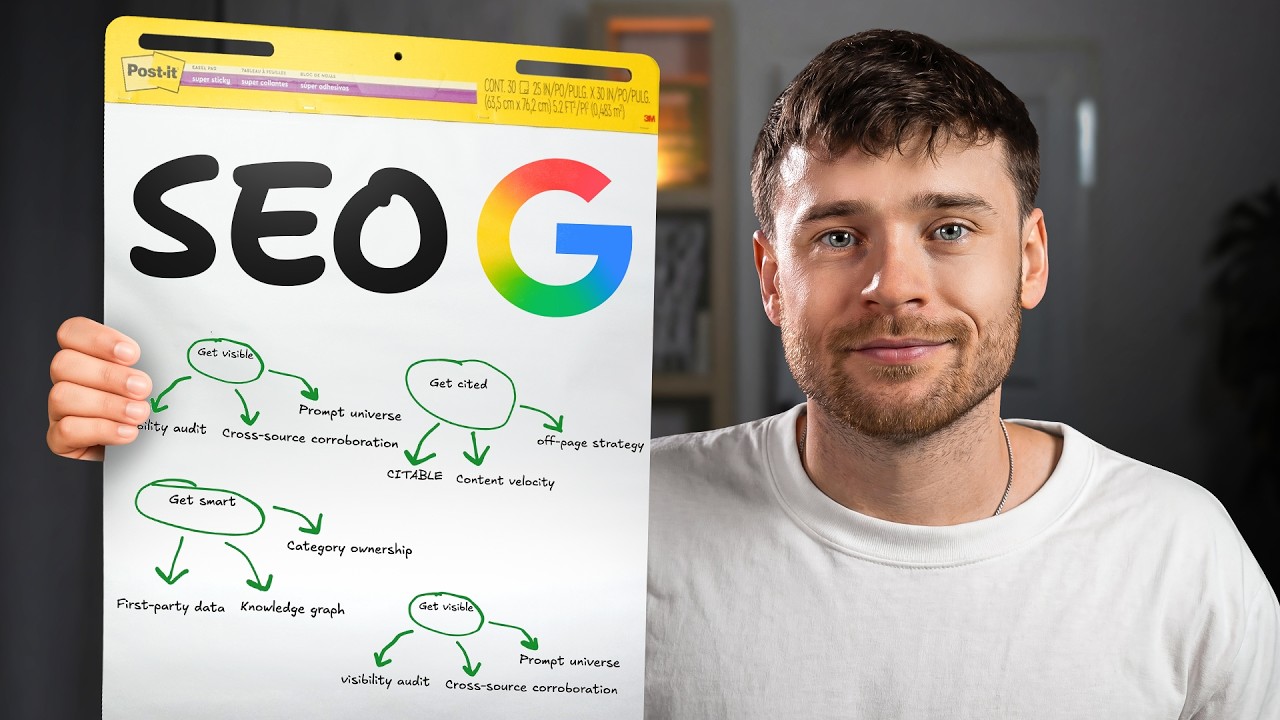
Podcast
Podcast
Podcast
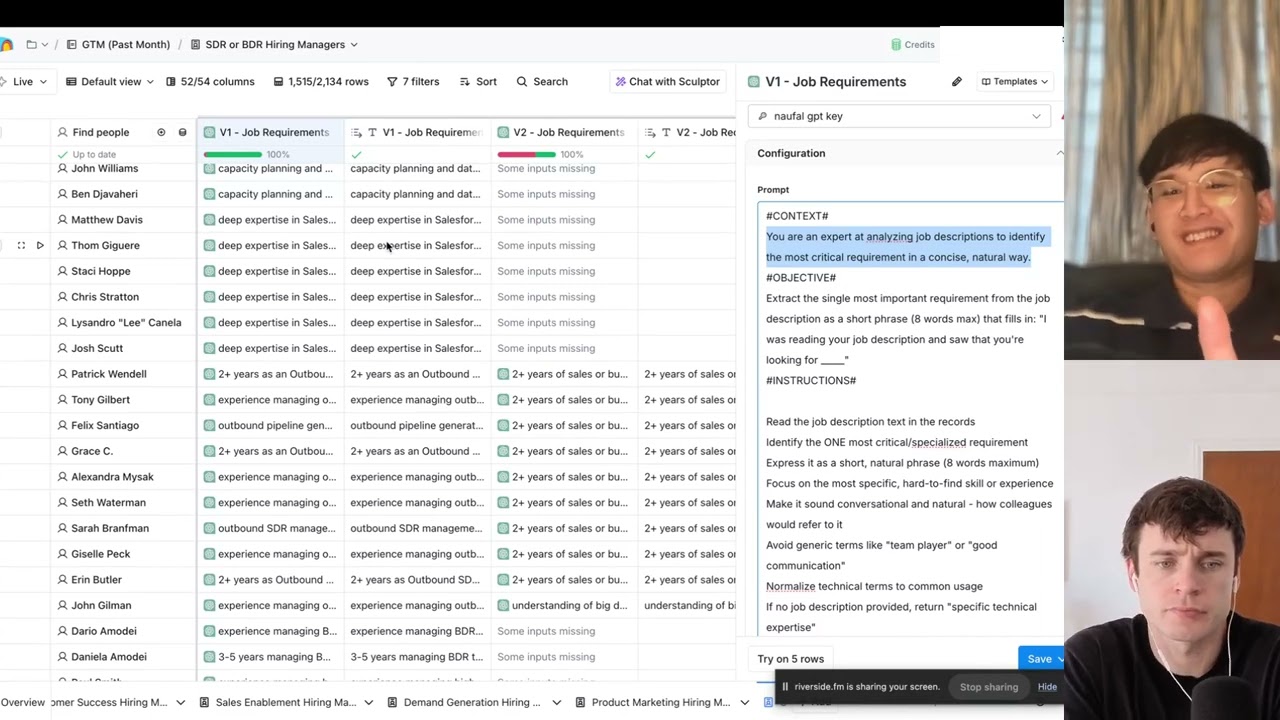
Podcast