Podcast
How To Rapidly Test SaaS Value Proposition With Cold Email In 2024 (1hr+ Video)

Liam Dunne
Host
September 16, 20241:35:00
all right so in this video I'm going to be outlining a method for rapidly achieving message Market fit through cold outbound so what I'm going to be going through in this video is an a slightly adjusted um method from an internal Playbook at grass.com if you're an early stage B2B SAS founder who wants to hit their first $1 million then please book a call to learn more you can just go to the website um and we'll speak with you so before I jump into it just some uh proof that what I'm about to go through in this video actually works so uh at the top we just have a response from a prospect who kind of complemented us on our outbound campaigns this campaign was uh 100% programmatically done with generative AI just to kind of show this is actually about like quality as well just because you're using automation doesn't mean uh there's a lack of quality uh a bunch of emails that have been sent um you know by now I've I've sent north of 1 million um cold outbound emails my first job in the SAS industry was as an SDR and then just in general some of the uh startups we've helped through grossas and also my my marketing agency so here's instantly AI um they bootstrapped from Zer to 20 million ARR in three years um they're an active client I've been working with them for well over two years now um so when I first started working with them they were at around the 40K Mr Mark uh low visibility into business metrics no process for Activation or retention relying mainly on cold outbound and word of mouth after um they're well above this number now uh fixed their churn bottlenecks helped them uh Implement a repeatable growth engine and also I took their paid media um program from 0 a month to spending over $300,000 per month that's in spend so the revenue um you'd like to think is much better than that it is incredibly uh profitable campaigns um and here's a testimonial with one of the founders co-founders uh Roo which you can watch which will probably be a link in the description or something like that uh here's Henry from SEO space so before working with us uh relying on his second business his marketing agency to fund his SAS company had a lack of systems and process uh weak customer experience um was causing churn so that the the product product activation was really causing some some Revenue leaks there after um the business was running on own pnl he actually 3x Mr growth uh at the time of this uh it's well beyond that now it was just 3x Mr growth when we did this um uh this client interview earlier this year uh 40% reduction in churn and an actual business with systems and processes rather than a chaotic side hustle again you can watch that interview of Henry and then here's Floy uh so the co-founders Iman gy and Pierre and before working before working with us exclusively relying on imman personal brand so I forget the number but he has millions of subscribers it might be in the tens of million subscribers um so basically Floy was only growing when he posted content about it uh which obviously presents a long-term business risk because um you know who who wants to buy a company that only grows when the founder posts uh a YouTube video they were attracting low value customers that churned typically like beginners who want to start their first business and just had a broad value proposition so we helped them narrow narrow that down and diversify their growth channels uh they made an extra $1 million in six months um and helped them reposition the company for a more a higher value um customer Persona here's a little snipp it from Salma another founder we worked with at creates and then quick background about myself um so I've worked in the SAS industry for the last five years I've gone from uh in-house growth uh at startup uh started my own marketing consultancy and agency where I helped uh startups go from zero to over $10 million in AR I've worked with dozens of startups over the last few years directly also more recently co-founder of grass.com where we help early stage B2B SAS Founders hit their first $1 million without having to raise external Capital some of the companies we work with have raised small like preed seed rounds but for the most part we work with bootstrap companies or very very lowf funded companies so we're not against raising Capital it's just the the methodology that we Implement inside SAS start UPS is so you don't need to raise external Capital uh yeah if you want to find out more about us just go to the website I'm not going to make this a pitchfest about Gras just some context though so my business partner exited software company for $2 million as a 21y old collectively we have over 20,000 hours of firsthand industry experience we're both building our own startups our own SAS startups um and you know startups from Y combinator and SAS Academy which are kind of the household names should we say in the SAS industry uh come to us because methodology is based on what works right now not what worked 5 to 10 years ago when money was free and you know it was a sell's market and software was just set in like hot cakes right we we focus on what works now where the priority has gone from you know raise a bunch of money pour that into growth because that's harder to do now to efficiency building a long-term sustainable business where you don't need to raise money if you don't have to now truth be told talking about this stuff makes me feel a bit cringe and like I'm bragging you know I'm British uh we like to be a bit more um conservative but I think you know there's a lot of it's easy to make claims right it's easy to post a video and say hey here's what you should do but it's hard to back it up with receipts and say hey well I've actually done this and you know I've helped companies implement this into their business so that's kind of why um uh I wanted to talk through that stuff so what I'm going to be covering uh what is message Market fit and why does it matter the state of coldo on 2024 you know just in general now uh get how to get clear on your company's position in how to create value propositions how to turn them into offers and assets how to experiment to find the best performing ones to ultimately achieve message Market fit and then I'll be summarizing it at the end for you so I imagine this is going to be a relatively long video so just stick with it or maybe return and come back um but you know I've packed this field of information good information I've spent a lot of time putting this together um so you know this is how to do cold outbound in in 2024 a quick note before we get started so this is not a resource on how to set up Cod email tools or infrastructure or how to write effective Cod emails or like tactical execution like say this do that or how to find leads it is a resource on a method for soling message Market fit how to develop value propositions how to turn them into offers and assets that are going to attract your ideal customers and a method for testing those different value propositions and offers to ultimately achieve message Market fit now I have recorded a separate resource on basically all of that Stuff how to set up your infrastructure how you know some Frameworks to write good cold emails how to find leads all of that kind of stuff like the the real like uh tactical stuff of how to do cold em I think that's a yeah 2our video um so I'd recommend watching that after this this video is really about message Market fit with outbound giving you the Playbook of of how to do that so jumping in I'm just going to take a sip all right because we might be here for a while um so what is message Market fit and why does it matter so product Market fit is the goal for startups and the most common reason for failure they are unable to build something the market wants and distribute it efficiently before running out of capital but to self product Market fit like product Market fit isn't just like it's a it's a macro thing right and there's a bunch of micro things that sit underneath product Market fit and those things are uh you must identify a market segment with problems to be solved you must develop a value proposition that's speak to these problems you must build a solution that effectively solves the problems and basically fulfills the claim you're making in your marketing otherwise you're just going to have activation and churn problems and then you must find a scalable marketing channel that can efficiently acquire new customers right so message Market fit is these top two bits here these top two micro things that lead up to product Market fit um so it's the intersection between the first two variables message and Market hence message Market fit so in simple terms it's solved when you put the right message in front of the right group of people and Achieve what's called message resonance basically a fancy word for saying when you speak in the same language as your target audience and the claims your company is making aligns with the needs of your your target market now I've worked with a lot of Founders a lot of SAS companies um and I'd say basically every single time they have growth problems wherever they're not growing fast enough whever growth has just completely stagnated whether they just haven't been able to like grow at all and they're really really struggling in all cases it is due to these things you know they they've gone too broad they've targeted too many market segments and so therefore their value proposition is importent enough it's kind of like it's doing an okay job for everyone but never a great job for someone um they just haven't tweaked their value proposition enough to find what really resonates with the market they haven't found that nerve you really want need to find those nerves um they've lacked on the product side so that you know they're good marketers but the product just isn't like differentiated to other products in the market so therefore people are just going to their competitors or they're just not able to find that efficiency from like a marketing and sales perspective every single time a company struggles to grow it is due to these unless like you know the founders have a breakup then yeah that's actually probably the biggest killer um but I haven't had to deal with that so most times it's due to these four things right so although these are like four very succinct bullet points like incredibly important but I digress so um the the difficulty of achieving message Market fit is not to be underestimated right it's it can't be and this is like a a misconception it you know it can't be achieved by just like creating a really good headline like a really good copyrighting hack or or gimmick right copywriting is like the last mile copywriting is built on a good messaging strategy and a good messaging strategy is built on a good positioning strategy which is all like product marketing right so ignore people you you can't just just solve this through like copyrighting there needs to be Good Foundations in place you need to be differentiated right because sure like with good copyrighting you can get the clicks you can get the sort of um the the front end conversions like free trials for example or like low ticket offers but you're just not going to be able to build a long-term sustainable um business right and so when you're trying to solve message Market fit in the moment it really feels like you're being pulled in different directions right you you you're struggling with where to go and this is H I think just the life of a Founder you're just really struggling where to go there's a lot of noise um you have like five different buyer personas who see value in your product there's 10 different use cases that your product can fulfill and you don't know which one to narrow down on you don't know how to communicate your value proposition should you focus on this capability should you focus on this benefit uh and like how should you communicate that to the market like this is really the struggle of of message Market fit and it's not to be underestimated right this is completely normal everyone who achieves message Market fit has to go through that I call it the E phase where it's just there's a lot of noise it's really struggled to to kind of make your way out of it um the enemy of message Market fit is vague positioning and messaging that people struggle to understand right so if you're hearing these things or you know similar it's a good indicator that you know you need to uh tweak it a bit right so like when people are constantly asking well what makes you different to product X or solution a right which could just be another way of of um solving the problem that they have you know why should we choose you over competive a well you haven't positioned your product well or it's not clear what you do right well your value proposition just hasn't been conveyed effectively enough to them right and so I personally believe that strong message Market fit can be one of your biggest advantages due to how competitive the B2B SAS industry has become right so it's just I I I think I think starting a SAS company is the easiest it has ever been but successfully scaling a SAS company I.E being able to reach product Market fit being able to build a sustainable long-term business that has you know good fly wheels in place that's really really tough right and so that's why I think good message Market fit is more important than ever it's not just about having the right features or product capabilities it's about positioning yourself well uh in the market having an attractive offer and so rather than trying to compete head on with incumbent products by achieving feature parity you can differentiate by solving a visceral problem for smaller group of people and communicating it to them through unique points of views and offers right so you know I speak with a lot of the founders I I work with they kind of just to get started and you know I don't want to go too off topic here but um they they they sort of just build a product that's similar to competitive I which I don't think is a terrible strategy for the short term sometimes that's a good entry to the market um but you know if if your competitors have been around for years they're going to have better case studies better brand Affinity they're going to have more insights than you and so you know if your product looks exactly the same as them um sometimes even if you're cheaper people are still going to go to your competitors right because there's more trust there um and so with message Market fit with really strong message Market fit rather than trying to compete with your competitors and going through the main entrance where everybody else is going you need to find that side entrance and really that's just an analogy for um you know Finding differentiating finding that nerve that underserved group of people or that area where your where your competitor's product lacks and focusing all of your your energy there I'm going to get into all of that more about positioning I'm getting ahead of myself here I don't want my coffee to go cold um so the state of cold Emil in 2024 sln put sln here because you know we're not far away from 20125 and not a whole bunch is going to change so for a decade the cold outbound Playbook right was to hire sdrs use sales engagement tools like sales Loft Outreach or lemlist to send 50 personalized emails per day and use Big Data tools like Zoom info to find B2B contact data now how do I know this because I did this I was an SDR my first job in SAS was as an as a SDR I got paid like 40,000 PS a year um to literally most of my days was just spent research manually researching lead uh going through Linkedin sales Navigator you know applying filters and manually one by one adding leads to Salesforce to our CRM using tools like Zoom info Lusher and then I would sequence these leads in uh Outreach which is like a $20,000 a year um sequence in all and every single email that was sent to leads I had to manually click Send and I had to personalize the email right so I would spend so long doing this research sending these emails getting these leads most of the leads bounced because I was just guessing their emails um just to at the end of the day achieve like a 1% reply rate right just so inefficient um and so two to three years ago when I sort of transitioned over to the marketing agency consultancy all of this changed right tools like instantly and smart lead introduce new product capabilities to the market uh name inbox rotation and domain warming um this is a bit of a lie they they didn't introduce these to the market they popularized them there were other tools doing that but really they kind of brought it to the mainstream um and the removal of seat based pricing meant their value proposition was in uh insanely attractive right and then more recently clay entered the market which allows individuals to automate a big chunk of the early steps in cold Outreach such as account mapping prioritization research and even personalization right so what does this mean well now an individual can send highly targeted emails at a higher volume and at a lower cost than what previously took an entire SDR team right we've gone from a goto Market motion an outbound go to market motion which typically incurred hundreds of thousands of dollars of overheads per year for a company to do to something that can now be done for less than $500 per month right that's just absolutely insane and these figures you know there's so much Nuance to hear because it really depends on what tools you want to use etc etc but I've personally done you know I have beaten entire SDR teams with a setup that costs less than $500 per month right you know if you just imagine I was getting paid £40,000 per year a team of like eight sdrs you know that's a lot of money just in in salaries and you add all the tools and all of that kind of stuff just absolutely crazy right like instantly and smartly just completely uh changed evolved the the game of of cold outbounds right and so the reason why bring this up is because it has some implications right like yes this is good I think overall it's a net positive but it has had some implication that implications that are important to understand so you can adapt right how most people that struggle with cold outbound today in 2024 they're the ones who have struggled to adapt they're still using the old tools the old methods um and they're kind of wondering why are we not getting any results or why have our results gone down the drain it's because they haven't adapted Ed they haven't done uh what I'm going to talk through in this video so first implication hard calls to action net low results right so all good things come to an end Once Upon a Time um it certainly wasn't it was certainly before my time you know because cold email was had such little sophistication not many people were doing it um you know you could just get far better results you could literally just reach out to somebody introduce your product and they'd want to hop hop on a call right um that's just no longer the case um now I won't say it never say never right like this can work hardcore to actions are asking for a sales call in your email it can work you will just have a lower probability of success right so as more companies have adopted this new way of cold outbound which I call cold Emil 3.0 inboxes have gotten busier and standing out more difficult right so even in the earlier days of cold email it was tough to to just pitch somebody your company and ask them to drop in a sales call right because nobody likes it's just hard to persuade a stranger who has never heard of you to jump on a sales call with you right now imagine that today those same prospects are getting 30 40 50 60 cold emails per day it's now extremely difficult to get a stranger to persuade a stranger to hop on aord with you right so in my opinion you know opinions loosely held um it's just not worth using hardcore to actions um today now that's not to say it won't ever work but you're decreasing your probability of success right so in this this resource I'm going to be sharing with you some ways to still generate leads and customers via cold outbound but by going through that side entrance instead of that front entrance where everybody else is going there's there's so many the majority of people are still sending crappy emails with expensive tools with expensive teams asking for prospects to jump on sales calls right we don't want to be going through that main entrance anymore right so in this resource I'm going to be focusing on that side entrance where you're going to get far better results with far less uh energy inputs uh as well right and so that's the first implication the second implication is that pitch in products rarely works right and so again this is due to Market sophistication because there's just so many SAS companies at the moment right um you know probably thousands of SAS companies in the world at the moment very very competitive you know so many new ones being created every week everyone and their uncle is doing cold outbound ever since the book predictable Revenue came out like you know it's very rare to hear of a SAS company that isn't doing cold outbound and so over time the as the market has sophisticated just reaching out to a cold Prospect and introducing your product and pitching your product has just that the impact of that has just lessened over time right so instead you need to distribute offers right the harsh truth is is that nobody cares about your software product right nobody wants to spend money on yet another subscription and go through the headache of learning your tool and implement it into their company right you know companies I'm sure I can I know this and I'm sure you're the exact same right like all of those subscriptions add up you probably have you know I could probably count like at least a dozen subscriptions I have to SAS tools right nobody wants to spend more money on a new tool and learn how it works right people just want to grow their business they don't actually want to buy new tools right um or they just could be happy with their existing solution like a a current way of doing things and they just don't see a need for a SAS product right and so pitching products like cold traffic is extremely extremely difficult and if I could summarize why most why people that fail with cold outbound why that happens I would summarize it with this one sentence right pitch in products the cold traffic is extremely difficult and most companies are just pitching their product right they're just asking to marry on the first date they're using hard cool to actions and they just haven't evolved their their strategy right so just to really hit this point home um we can look at the agency space right Which is far if you think the SAS industry is saturated take a look at the agency space which is really really saturated and by saturated I don't mean that you can't succeed as an agency I just mean there's a lot of agencies out there very competitive right and so if somebody sent you an email saying hey we'll manage your LinkedIn ads for $3,000 that wouldn't be an attractive proposition because ad ad agencies are a dime a dozen and just trust has been eroded by them uh from their over promising and un delivering right if I say the word agency to you right now what goes through your head it's probably a negative thought like you're probably thinking of young people who overpromise underd deliver they probably learned how to grow a business on YouTube and they have barely any skills and knowledge and they're just going to drive your business into the ground while charging you a retainer and when things go wrong they they probably don't care right that's maybe maybe I've got some Trauma from from agencies right I'm a I'm a pre um I I used to have an agency I'm me like an agency founder but that is the general sentiment of agencies it's it's not a positive one it's because there's just so many of them that have made these marketing claims and just haven't backed up with their product right if we go back to this you know build a solution that effectively solves problems and fulfills a marketing claim most agencies fail to do this and hence why they they struggle to scale again I digress so okay if somebody pitched that in your inbox that wouldn't be attractive right they're just pitch in their service however if they said something to the effect of we help early stage B2B SAS UPS achieve message Market fit in 90 days or less guaranteed your ears might perk up a bit more right specifically if you're you are an early stage B2B SAS company who hasn't sold message Market fit you know this would probably perk your ears up a bit rather than that the LinkedIn adds for $3,000 a month right now this outcome this message Market fit in 90 days that could still be delivered through Linkedin ads but the way it was framed to you is completely different than them pitching the service right they talked about the outcome there was some uh specificity here where it's targeted to be to be SAS startups you know there's the sort of desired outcome here we've got a time frame like far framed far better than if they were to just pitch LinkedIn ads for $3,000 a month right now would you believe this right some of you might say well no this sounds scammy like you know will this actually happen who knows right kind of besides the point that the point I'm trying to make here is the way it was framed makes it more attractive to you you know you don't have to offer guarantees and 90 days or less and all these kind of things but just the point I'm trying to make here is rather than you know pitching the product or the service in this example you know offers a far more attractive right and so in this resource I'm also going to be sharing how you can go from pitching your product to creating no-brainer attractive offers that are going to increase your positive reply rates okay so let's get into the actual activities the actual uh Playbook here so step one is to get clear on your company's positioning right so positioning establishes your place in your Market relative to competitors okay so it answers that What Makes You Different question right the dreaded absolute dreaded what makes you different question right that prospects ask um um so without strong positioning you're another nice to have product in an already crowded market and this can often be the most frustrating part of being a Founder I know it certainly is for me sometimes is you know you know why your product exists you know this exciting road that lays ahead you know you have that three to five year Vision in your mind of what your product's going to be and the impact your company is going to have on your Market but the people you speak with the you know your prospects they don't quite get it as as much as you do and rightly so right they they don't care as as much as you and and so it's really it can be a real challenge to communicate that Vision accurately to them you know the the nitty-gritty details that the backstory you know how you got started and all this kind of stuff doesn't matter if if you just can't if you can't hook someone's attention and get them to listen to you which comes through good positioning right positioning in my opinion is like the that instant light bulb moment of oh okay I get what I understand why you guys are different you know I get it okay tell me more right positioning influences the Market's perception of your company right and I'll come on to this if you don't influence the markets perception of your company something else will right competitors will or you know people already have their prejudices you know they they'll already have an established perception of your company you need to try control that and influence that and so before we dive into the tactics of like cold out balance it's really important to have the foundations in place otherwise you have a high chance of making mistakes that will cost you right so if you think back to those four items I talked about underneath product Market fit these are the foundational stuff right everyone always thinks like oh what you know what should I write inside my cold email and what tools should I use like that stuff is absolute table Stakes if you don't have the solid foundations in place I you know who you're targeting you've done your qualitative research you've developed a good value proposition your your company is positioned well if you haven't done all of that it doesn't matter what you say in those email else right and so when you have Clarity on your positioning or or components like your position everything else falls into place a lot easier there's a there's a I'm not going to lie to you you know there is a bit of upfront effort here to really rack your brain and think about things um and then you can go on the tactics right strategy always comes before before tactics now not solving your positioning means you risk struggling to stand out or even worse achieving weak product Market fit and struggling to ever achieve breakout growth right it's kind of something I mentioned before is when companies fail they don't just like you know the it doesn't like Monday morning doesn't come around and the company just dies right and the founder Falls dead and the money is cleared out of the bank account like it's a slow painful process right you know I've worked with companies that haven't grown their revenue for like 6 8 9 12 months right that's like what I mean here is weak product Market fit it's not just like you fall over one day and die it's almost like a poison weak product Market fit right and so it it's sometimes it's not immediately obvious you know the revenue still coming you might still be breaking even or you might be losing single digits per month and so it doesn't bother you too much but eventually this it's like a a slow bleedout right to be a bit graphic there right and so you know if you if you struggle to if you fail to struggle sorry if you if you struggle to solve these foundational elements it's it's really really going to impact your growth and you might not immediately realize it until it's to late and so positioning is not a headline right it's not an email it's not an ad it's not like a copyrighting gimmick it's something that drives everything across your company like including your pricing your packaging the product strategy how you differentiate on the product side and your messaging how you communicate your value proposition right so POS positioning isn't some kind of like woo woo thing like it drives the entire strategy of your company now some of the stuff we're about to go through I.E positioning is like product marketing 101 right the this resource is not a product marketing lesson or Workshop right I am not a product marketing manager I'm not a product marketing expert I know enough to get buy and succeed but this resource is not a product marketing resource right and so just like a an FYI like I recommend learning this separately and of course if you want me to cover this in a separate resource just let me know but I'm going to cover the basics so you know enough to go away and act on them so primary types of positioning so first of all we have audience-based positioning right I would say this is the best option for you um unless you're like a Serial entrepreneur who knows exactly what they're getting after what I mean by that is you've maybe sold one or two companies you're on your third company or your second company and you know exactly you've been thinking about the what you're going to be doing like for the last year two years three years and all we have to do is wait for time to catch up and execute if you don't fit that Persona I would recommend going for audience-based positioning right and so as the name suggests with this type of position you begin with your audience so this type of position breaks out into two categories we have product Le competition Le right so these are subcategories of audience-based positioning so in product Leed you begin with a clear picture of your audience figure out how you can solve a problem for them and then differentiate against existing Solutions right so figure out how you can solve a problem through them with a product and then differentiate that product against existing Solutions now I use the word Solutions here and not product because you're not always competing with another product right it just might be an existing behavior that your target audience has or existing manual solution like a makeshift solution and I'm going to give you an example of these in a sec in competition Le you begin with a clear picture of your audience identify what solutions they are using currently and then discover something you can do that existing Solutions cannot right so there a slight Nuance here now to help you visualize this uh if you want me to send this over to you just just let me know so audience based positioning product Le you know who you're targeting start with the audience um you move on to like what what can you build um that this audience cares about and then how can you differentiate against existing competitors competition Le you know who you're targeting you discover the competitors who you're competing with and then what can you do differently right so there's a slight Nuance in here zoom out a bit okay so to give you an example of product Le audience-based positioning okay so you know you want to Target product marketing managers pmm at midmarket B2B SAS company so we know who we're targeting you discovered that Gathering competitive intelligence is expensive and time consuming you believe aggregating and combining a contextual layer a so what layer to multiple data sources could give pmm better and faster insights right so what can you do that this audience cares about competitive intelligence is typically a responsibility of a product marketing manager at um in a SAS company depending on their size sometimes it becomes a specialist role uh and then existing competitors are expensive and focus on one data source I.E web change uh website changes so existing competitive Intel products um one of them is they monitor like your competitor's website changes so you can see if they're changing their pricing if they're changing their messaging Etc so potential option is to aggregate these data sources in one platform and offer orchestration capabilities right so just going to go through that again so it's super super clear so audience based positioning two subcategories of that we've I've given an example of product Le audience-based positioning right so we know who we want to Target our audience product marketing managers at mids uh mid-market BCB SAS companies what can we do that this audience cares about one of the responsibilities they care about is competitive Intel so we believe that aggregating multiple data sources but not just giving them the data turning that into intelligence where it goes this is so we could do this through uh AI is like okay well this is what this data is telling us and here are some opportunities that you can act upon could give them better and faster insights right so what could we do that this audience cares about and then we look at existing Solutions in the market well a lot of the existing competitive Intel Solutions in the market they only offer one data source is like tools that monitor website changes there's tools that monitor like review websites there's tools that monitor like social mentions and so how we're going to differentiate is we're going to bring all of these data sources and aggregate them Under One Roof if you're familiar with like clay kind of similar to what clay does but for competitive Intel by the way I've completely made this up um so you know excuse me if there might be some um flaws in what I'm talking about because I've just completely made this company example up and as we get through this resource I'm going to be using this same company to really really drill it down I wanted to give you real B2B SAS uh examples of what I'm talking through rather than like uh in vague terms I really want um this to kind of uh settle and and hit home right so that's an example of product Le audience-based positioning how we would kind of do that okay so like final note on this is like why is that important why is position important is because you could say when you're on calls of people you could say well you know how existing competitive in Intel tools you know you have to have one for website changes and you have to have one for uh monitoring review sites and you have to have one for social mentions well what we do is we bring all of those data sources Under One Roof and then also offer orchestration capability to actually Act on those signals Boom the prospect's going to get us straight away that's good positioning okay moving on to compet uh competition based positioning so this is ideal if you deeply understand a market and have been able to identify gaps in existing products right and the reason being is because their weakness becomes your strength again I'm going to give an example of this so uh two subtypes of competition-based position we have audience Le and product Le so in audience Le you begin with an understanding of existing products identify a specific Market segment that uses those products and then find an area that that market segment is underserved in product Le you begin with an understanding of existing products identify where your product fills an underserved Gap and find a specific Market segment to go after with this capability so another visual here again I can send this to you product Le so we know who we want to compete with because it's competition-based positioning you uncover something that you can do differently how can you differentiate against that that competitor or those competitors and then who's using that competitor that you can sell that product to audience L you know who you want to compete with you discover a market segment who's using this competitor and would care about your product and then how can you differentiate against that competitor or those competitors okay so to give you another example um and this is actually a real example that I haven't made up um and the reason why I gave this one is because I'm going to use this um imaginary company uh throughout this resource so six sense is an ABM platform this is an actual Enterprise ABM software one of its product capabilities is identifying accounts that visit your website so it's a 50 I think I did a quick Google search it starts at around $50,000 per year so it's an Enterprise software um so right product Le competitive alternative Okay so we've identified a competitor in the market R B2B realized that company level identification isn't very useful person level identification is far more valuable and so they focused here right so to break this down sixense ABM platform one of its product capabilities is um when people visit your website it will send you a message and say hey um somebody from Google just visited your website right so it's company level identification right which isn't very useful right because me telling you hey Google just visited your website isn't very useful right CU Google has I don't know how many employees tens of thousands employees I'm not really sure um and so like you it's not very useful should you know who should you reach out to and so rbb realized this um through research right A lot of people complain about this um and so what they did is they introduced person level identification right so instead of saying Hey Google visited your website they will say hey Sarah the VP of marketing just visited your website here's her email here's her LinkedIn profile right that's far more valuable because then you can um reach out to Sarah right you can reach out to LinkedIn email Sarah and say Hey you know let's have a conversation or whatever um and so and and then to differentiate further they have a free plan and their paid plan starts at $99 a month right so they've differentiated in a couple of ways um one is that they've noticed this um weak capability that an existing solution has and they've improved upon that capability and two you know they've gone to um while six cent sort of targets mid-market Enterprise R B2B is targeting S&B and micro SMB hence the pricing right so they've differentiated in a couple of ways but just to really like give a clear example of competition-based position right competitors in the market identify a weakness that they have and then innovate their differentiate in one way all right so you don't have to do anything crazy it's just really being sharp and and understanding your your market and being able to spot those opportunities right and so positioning allows you to control the Market's perception and gives your company an identity right often the reason why companies experience growth problems is because they don't know where to focus right they kind of just copy competitors blindly or okay everyone has a sales tool I'm going to build another sales tool I'm going to build another codl platform or something right whereas and and so then they're just competing headon with existing competitors that probably have a better product better brand Affinity better trust with the market and that's just you're playing a really tough game there right so you can identify these small tracks of opportunity and focus all of your energy there right so that's uh position him all right my coffee is definitely getting cold okay so moving on to create value propositions right so a value proposition clearly describes how your product benefits users right it answers the what do I get from this question right really important question like ultimately people don't care about your product right they just care about what it does for them okay so just to give an example my client instantly uh the sort of case study I mentioned at the beginning they entered one of the most competitive categories which is email marketing right I think the most competitive is CRM um and so they were successful because they allowed companies to do cold email in an entirely new way for less money than anyone else was charging so kind of similar to RB Tob where they differentiated on product the product was far more valuable but also on pricing right so it's kind of like a double whammy ultimately we're in B2B pricing does play apart um and so this just made the value proposition far more effective okay and so an important thing why I bring this up is because in instantly case and also RB Tob the value propositions were derived from product Innovation or I guess a more tactical is it's product differentiation right which a good class as Innovation and just thinking differently to everyone else right this is really really important to internalize you can't just make your product cheaper you can't just have a better Cod email uh than your competitors right there has to actually you have to actually back it up with a good product right and so this is why I've made a point that you know this can't success can't be achieved just through like marketing gimmicks there has to be a good product to support them and there has to be differentiation right and ultimately there's just no shortcut right that's really the the point I'm trying to make here um so just to give an example of like the importance of value propositions so uh the three inputs required to create a value proposition so to explain these with realistic examples I'm going to use this imaginary product called compet Intel which is the example I gave you above so again I've just made this up I'm not affiliated with any product called this um when I was actually writing this I thought damn this sounds like actually a pretty good product so feel free to run with it and keep me updated so the tldr of compet Intel is that it's a product that Aggregates several competitive data points that helps you monitor competitors create useful insights and orchestrate marketing activities right so how I would break compet Intel down into these three inputs required to give um to build a value proposition and I'm actually going to list out value propositions right the reason I did this and you know it's kind of difficult to just create this product out of thin air but I really want to hit this time I want you to be successful I want you to achieve message Market fit and ultimately product Market fit right and so I wanted to give you real examples of how to think through this um so you can have some takeaways so the first input product capabilities so product capability is the action or series of actions that is enabled by a feature okay so some of compet Intel's capabilities combine several competitive data sources to maximize coverage and reduce tool fatigue monitor competitor websites for changes across pricing jobs messaging and case studies monitor reviews of competitors to understand Market sentiment and spot patterns so basically are people saying nice things about your competitors bad things um trigger automated workflows that reach out to a competitor based on signals so let's say somebody has just dropped like a negative review of your competitor whether that be on like social media publicly or like on a review site like G2 you identify that you spot that automatically and then you're able to orchestrate automated outbound basically to that customer um based on that negative review right so you can actually you know get them to Spill the source and get some real competitive intelligence um right so that's really really valuable to someone who's handling competitive Intel because typically they do that manually receive real-time notifications and scheduled summaries in slack so you know new negative review just published about competitor a and then a monthly sort of uh Roundup summarize important insights in a sharable format to distribute your company you know pmms by definition if you're if a company has a pmm they're probably at least I'd say 20 to 30 employees and you know the bigger you get the more difficult communication becomes especially in the SAS industry we love a silo in the SAS industry and so cross Department collaboration becomes a lot harder you know certain departments and teams gatekeep information for whatever reason and so you know the capability here is that ensure that all of the the entire company is in the loop right because competitive Intel isn't just a marketing thing it's like a company strategy thing and then final capability is I identify who you're competing against through automated win- loss insights right so when um you have a sales team all of your sales calls are being recorded through compe Intel this imaginary tool um what it does is it uses those cool transcripts it monitors for keywords of competitors being mentioned and then combines that with your CRM okay okay you've lost a deal was a competitor mentioned yes or no or you've won a deal was a competitor mentioned yes or no so you can see what competitors you're winning against and what competitors you're losing against again really really valuable so product features them so a product feature is the technical aspect of a product right so notice when I go through these they're not going to provide much context right they're not going to sound sexy they're just going to be completely worthless alone in the buyer in the eyes of a buyer right because they don't answer that so what question potential customers are always thinking so what okay what can I do with this why should I care you know what how does it benefit me right and features don't really give that context so uh compet Intel features right so native Integrations with t 12 competitive data providers call analyz so that's for like this automated wind loss insights the workflow Builder this one slack app to send you the notifications and Intel digest which is that this basically um uh this one here where you can summarize important insights right so like if you just said to someone oh our product has Intel digest it's like okay like you know what can I do with that you know what what does that mean all right so that's the really key distinction between product capabilities and features benefits then so this is the outcome realized by the customer when they use the product right so important to note that these will be dependent on what buyer Persona you're targeting so whether you're targeting the end user a champion with a company decision maker economic buyer what those people care about from capabilities features to benefits is going to change right and so the benefits I've given here are just general again this is like product marketing 101 stuff but the aim of this resource isn't to be a product marketing um uh resource it's to message Market fit for cold outbound so benefits some general benefits of compe inel there them so spend less time and money managing several different competitive tools gain an edge by spotting competitive opportunities and gaps faster improve win rates through competitive through better competitive positioning on sales calls enhance sales enablement with better competitive assets increase marketing Source pipeline through differentiated messaging improve cost cross team collaboration through better information sharing make faster and smarter strategy decision based on data right so this kind of partly answers the so what question of the features and capabilities it kind of rounds them off right and so just a quick note before we go on to how we use these three inputs to create value propositions I want to talk quickly about benefits versus uh business outcomes so because this is a a very common mistake that a lot of Founders and even if you're a marketer watching this uh make so business outcomes are typically those highlevel outcomes such as revenue and productivity right and typically within a company the only person who cares about business outcomes or the CEO the board and some cxos right so like the C Level exx benefits are more specific and tangible right so ic's individual contributors so somebody who isn't a manager doesn't manage people as well as middle and often senior managers they don't viscerally care about business outcomes right they care about their own goals and activities which are more tactical right and so yes like sure these people care about how much money their company is making how much revenue because because of job security and because because you know humans care about status they want to tell their family and friends that they work at a cool company that's doing well yes there is some level of care there but ultimately people care more about you know getting their promotion which means hitting their goal their weekly goal monthly goal quarterly goal right people care more about those things and benefits are talking to those they care more about like Saving Time on pointless you know day-to-day activities right this is all benefits business outcomes is more like high level um like Vue and productivity right so talking too much about business outcomes can result in messaging that doesn't resonate with your target persona for example a sales rep is likely to care more about the four hours they're wasting in Salesforce every week than the company's overall Revenue right because a Sal the sales rep can feel they can feel those four hours they can feel that when they finish the working day that their last sales call at like 6 p.m. they can they you know they can really relate with that feeling of damn like I have't updated Salesforce this week I have to now go spend two hours updating the CRM because I have a call with my sales manager tomorrow and they're going to absolutely like screw me if if I don't do this right they can feel that they care more about that that that problem is far more urgent to them than like the the company's Revenue Target right so this is why we focus on those specific problems and and um connect our product benefits to those problems rather than talking about business outcomes right again yeah talks about this by the way yeah so if if like this stuff like benefits capabilities features what else have we got here yeah if that stuff like the position in like product marketing stuff if that's something you think you'd be interested to learn more about let me know and I'll just do like a 101 for for early stage startups because it's super important and again it's like the foundational stuff that everything else sits upon I'm happy to do like a separate resource on that so to give you help you visualize this right so business outcome we've got company Revenue let's go a layer deeper how does what's a company's Revenue made up of well you got new business which is like new customers you have renewals and then you have expansion right different types of revenues within a business there might be more uh okay layer deeper let's focus on new business okay we have the new business Target underneath that how how does a company reach their new business Target okay well they have team quots right underneath a team quota you have the individual quota and then at an individual level we have prospecting activities you know their ramp up period rep coach in the the individual sales script that the rep uses the sales admin you know like the sales force update in the CRM and so we've gone from like business outcome all the way down to like the Tactical problems that or not problems like activities that an individual has and so in the case you know this sales rep these are really the things that they kind of care about down here not so much up here right so you just the takeaway here is just to be more specific really dig um deeper to find those problems that your target Persona has and again remember it depends what Persona they are what problems you need to um look for the further you go up in a business the further you get close to business outcomes okay then so converting these inputs uh capabilities no product capabilities features benefits converting those into value proposition so basically Bridging the product capability to the benefit um so a short simple framework to think about value propositions this is not um exclusive you know there's there's many ways to communicate value props but this is just a simple framework to use so I help Persona solve problem through capability feature so you benefit um so I'm going to go through three variations again my goal here is just to make everything sort of as clear as possible so this benefits you um but just like an FYI these value propositions these aren't something you would directly communicate to people it's really just an exercise for you to bring everything together how you communicated to people now we're getting into the Realms of like copyrighting right so don't worry about brevity you know about them being a succinct and as Punchy and as sounding as cool as possible um really this is like product marketing stuff creating value propositions how you actually communicate in your emails in your ads on your website and stuff like that that's copyrighting so variation one uh of a of a value proposition just to give you some variance here so I help pmm within small marketing teams at B2B SAS companies solve internal information sharing bottlenecks through automated competitive Intel digests so you can communicate competitive Intel opportunities better to team members and Leadership right so that was a bit wordy right but we've done the the framework I help personas in B2B SAS companies so again bit being a bit more specific you don't have to do that solve problem which is internal information sharing bottleneck through uh automated competitive Intel uh digests so that you can communicate CI opportunities better uh to Opportunities better to team members and Leadership right so following the framework here right so the problem we're focusing on here is the information sharing Boton X benefit is um communicating competitive Intel opportunities better to team members and Leadership variation two then so same Persona I help pmm solve manual Intel collection through Outreach campaigns that are automatically triggered based on negative sentiment signals and contact or competitors customers to arrange interviews so you can spot competitive opportunities more efficiently again quite wordy but that doesn't matter so problem is man manual Intel collection how that problem is solved is through uh basically automated Outreach campaigns based on negative sentiment signals um and then actually there's orchestration here so actually contacting the customers um and then the benefit is spotting competitive opportunities more efficiently right because uh collecting uh competitive Intel is manual right typically what you'll see is people reaching out maybe you've had this happen to yourself but typically pmm is responsible for competitive Intel is they'll reach out to competitive customers and like offer them gift cards to hop on calls and that kind of stuff what we're doing here is we're automating that process right so the benefit is doing it more efficiently uh variation three then so I help pmm reduce closed loss rates against competitors through Dynamic competitive battle cards that give sales reps bite-sized insights based on recent data so they can position your product better in deals and have the have the right talk tracks right so a lot of the language I'm using here is very it's jargon as in if you're not a pmm if you're not in the competi if you're not familiar with competitive intel if you're not in SAS industry some of these words might not make sense but they absolutely will make sense to a pmm right which is kind of understanding your your persona right so close loss rates problem basically losing deals to competitors how we change that is through Dynamic competitive um Dynamic competitive battle cards that give uh that are based on recent data right so battle cards are basically uh sales enablement asset that you give sales reps so that they have the right talk track so the right when a competitor comes up in a deal they know the right things to say they know how to um steer the conversation in a way that positions the product as as better than the competitors right so this is all like sales enablement stuff okay so no um none of these value propositions mentioned Revenue right none of these I'm like I help pmm make more money uh increase their company's Revenue right they don't care about that yeah sure they care about in some way but they care more about their day-to-day activities they care care more about hitting their okrs so they get a promotion so they get their bonus at the end of the year right your your target perers care more about those things okay um and so yeah with these like value props in the early stages you won't have complete confidence right at the moment I don't know which one of these is going to resonate more with uh pm M right but it's important to have all these different variations and then test them which is what we're going to come on to at the end of this resource so exercise for you to complete uh whether you want to pause this now and do it whether you want to do it at the end of the video but it's really really important that you do this um and again just a like a common mistake I see Founders make is they just pay lip service to everything oh yeah you know I already know that I've already done that that doesn't matter to us that's not relevant to us I can I can assure you this is relevant and it's super super important it's like why writing increases Clarity of thought because when you write you are you know it forces you to think about what you're saying it forces you to um be succinct it forces you to articulate your thoughts in a proper way and it's the exact same with this right by actually listing out your product capabilities it forces you to think about them it forces you to think actually are these any good like should we be you know introducing new capabilities and actually making The Logical connection between features and the capabilities the so what an actual Lo logical connection to okay well how does this actually help people are these benefits specific enough or am I you know being too vague have I can I go a layer deeper can I go a layer deeper what Persona is this relevant to if you write this down it's actually going to force you to um think about these things and then finally when you have those three inputs combine them together to create value propositions using this simple framework here right so whether you want to pause the video now or do it at the end but really really important that you list these out because what what we have here we're going to use them in the next section to create those offers that are going to help your cold out bar campaigns perform better so that's it we need the inputs to create those so just like some questions answers here how do you determine product benefits um the the simple and unsexy answer to this is just by doing more customer development activities right so forming hypotheses everything here is hypothesis is like okay you know pmms want to um you know reach out to compe to customers more efficiently you know they struggle with internal information sharing um they want Dynamic competive battle cards like this is all Theory at the moment and even more so because this is an imaginary company I made up right and so how do you know what benefits uh you should talk about and you should include and what product you should build simple answer is just speak with more of your target marker right uh qualitative research takes time it's unsexy but it's critical to your success right it's that foundational stuff that people pay lip service to and think they're too important too big um they don't have enough time to do but really it's the most important thing in your business speaking to customers right the aim is to be so entrenched in your Market that like you're speaking the language of your customers like you could you could have you could give like a presentation to a group of your target uh personas and they would think you're one of them really that's the goal to be here uh the the the goal to achieve here right because when you understand your target audience and the problems they have then you can build a product that solves those problems okay otherwise you risk heading into the wrong direction so side note in grossas we um basically we created a method called Market Mastery which is all about qualitative research competitive research um and basically finding those nerves in your Market that then you can go on to um hammer with your your messaging and your position Etc right so one of the modules we talk about is the the voice of customer research how do I know what benefits to prioritize uh so through research because people people might talk about a certain thing they care about more frequently than other things um but also through experimentation which we're going to cover at the end of this so that's value propositions okay now um we're going to convert those value propositions into offers and assets so now we're getting on to like the Tactical stuff about how to succeed with cold outbound but notice how all of this stuff before it is what matters most okay so create offers and assets so when doing outbound you are selling to Cod traffic right this means the people you're contacting likely uh sorry yeah likely don't know like or trust you right and this is why Cold outbound is so tough this is why pitch and cold traffic is extremely difficult and why most companies fail at it because it's the ultimate stress test right putting something in front of somebody who you've never met they don't know you they don't like you they don't trust you is the ultimate stress test right it really it's a forcing function for your entire business because it forces you to iterate to iterate your product your message your positioning so that people do so that what you're putting in front of people is attractive right um so that's why if you can nail like cold outbound it's a really good indicator because then you know everything else becomes a lot easier right there's nothing harder than trying to convince a cold stranger to buy your product right and then combine this with the fact that in 2024 you're competing with 30 40 50 other people who are sending Cod uh Landing in your prospects inbox every day right that's why we want to create offers attractive offers and assets right we've already covered hardcore to actions not effective pitch in product not effective you want to create attractive uh offers okay and if you can just nail this concept of creating offers rather than just like pitching product um you know going in that side entrance rather than the main entrance I I assure you you'll be in like the top 1% of B2B operators this is something fundamentally the B2B SAS industry just really really struggles with and I think it's a symptom an old relic of that growth at all cost era where it's fine you let just throw money at problems it doesn't matter if we're paying you know if our CAC payback is 24 to 36 months it doesn't matter we've got money we'll just raise more money right and so it just caused B2B operators to be lazy right because they kind of they had that crutch which was investors money that's not the case anymore right and so like you're really going to be on the edge ahead of the game if you can nail this stuff okay so formulating offers so what is an offer right an offer is what the prospect gets right whereas a product is how the offer is facilitated right so as I mentioned in B2B SAS we're way too obsessed with the product and not obsessed with what the customer actually wants right which is a solution that works that generates results right so example an offer could be I will give you 50 free leads based on your ICP whereas a product how that offer is facilitated would be a B2B data tool right so by itself B2B data tool that doesn't sound sexy okay like I don't want I don't care about the B2B data to I want the outcome that it gives me right it's like you don't the only reason you use a cold email software or the only reason you use LinkedIn for example is so you can get in front of your customers right so you can book calls and so you can acquire more customers efficiently right you care more about the the uh the outcome it gives you right so again to hammer this point home what sounds like a more attractive proposition I built a B2B data tool that helps you find 20% more leads or I've created a list of 50 decision makers based on your ideal customers do you mind if I send them over for free right this is going to win every single day right because that's what that's why people would use your tool right to get the the the leads that match their ICP that they could potentially convert to customers okay so just like to an example of like why an offer is more attractive U to product especi just in general but especially with cold traffic right because nobody cares about your product right they just care about what you can do for them so breaking this down then so the ingredients of a good outbound offer right so first of all has to be related to a specific problem um that your target audience has this is why foundational stuff actually understanding your target audience like how can you create a good offer if you don't know what problems it's related to right so that's why you can't skip the the qualitative research piece a unique capability um so ideally there's a unique product capability or method that is used to generate the results otherwise it's just not going to be that attractive right because otherwise they can just get it elsewhere so this is really important in competitive markets where trust has eroded and buyers have built a tolerance to claims right so at grow SAS my consultant business our unique method is the efficient growth protocol right it's a method that we've developed that is based on the new way to grow a SAS company right and it's it's worked it's it's it works successfully right and we've got proof to back that up this is far more attractive than saying hey we do consulting which technically we fit into that bucket right um but nobody cares about Consulting there's a thousand people out there that do Consulting people care about a proven method to get results right which is the efficient growth protocol right in SAS for instantly my client their unique mechanisms or unique capabilities were unlimited sending inbox rotation and domain warming right instantly didn't come out and say hey we're another cold email tool we're a bit cheaper than the other Cod emails or our Cod email tool um you know allows you to you know they focused on their differentiated capabilities okay super super important again going back to the other point you know they didn't just create a nice website and in their emails they said better things than their competitors were saying fundamentally they had a better product a differentiated product which was unlimited sending inbox rotation so they could send more emails so they can um preserve uh deliverability and domain warming which again um improved deliverability as well so you can land more in the primium Box than the spam folder right nobody else was really doing this right so they had a differentiated product they had these unique capabilities right so that's why they were able to grow so fast because they had an attractive offer quick time to Value so friction is minimized so the prospect can derive value from your offer as soon as possible um you know so like removing friction so handing something to prospects on a plate is going to have a far faster time to Value than having them you know jump on a call or submit a form Etc right the more friction you can remove the better I will caveat that by saying although have the risk of going off topic sometimes friction is good right but that's more of a an efficiency thing like say if you're booking a bunch of you're having a bunch of inbound demos but a lot of those uh demos are unqualified um that's where adding friction becomes a good idea you know asking qualification questions right but in in the the context of a good outbound offer minimize friction and then finally ingredients of a a good outbound offer risk is minimized for the prospect right so the best way to achieve this is by your offer being free um however can also be achieved through money back guarantees and proof of Concepts really depends on like an offer is just there's so many Nuance that nuances to that ultimately an offer being free is the best however there are other ways dependent on the offer you you have okay so ingredients of a good outbound offer so actually transforming uh your value proposition to offers and assets then so in the context of B2B SAS outbound there is some overlap with offers and assets right so if we look at agencies so service based businesses um you can offer free human labor as a frontend offer of your paid uh paid Services right so there's kind of like a that can be an offer it's not necessarily an asset you could literally say well I will work for free or I will do this thing for free right that you can just give them free human labor which is attractive right because human labor is expensive expensive however that is that's more difficult although not impossible in B2B SAS cuz typically how how the outcome of your product is delivered in SAS is it's facilitated through software which isn't a human right in marketing agencies in an agency the outcome is delivered through human labor it's delivered by people right um and so that's why it's a bit more difficult to give free human Labor uh free human labor away in B2B SAS although that's not always the case because not all B2B SAS companies are the same and so an alternative method in B2B SAS is by giving away information right so people are always looking to gain an edge and so your offer can be just free information like this resource I've created for you right now this is me giving you information uh for free right but really really important that your information is of the highest quality right otherwise it won't work don't just send your like a blog post or some like crappy lead magnet you created has to be high quality information right like this resource I'm recalling here I don't know how long it's going to be I think we're on like an hour and a half so far it's taken me like probably dozens of hours to consolidate this and put it into a framew a framework and then record it and everything right I've put a lot of effort and time into this um and I hope that it's going to be valuable to you right rather than if I just kind of it was just short and sharp like 20 minute video it just probably wouldn't be enough detail and you probably wouldn't find as much value in it right so your information has to be high quality so some offer formats that work well then uh audits proprietary market research intern internal sop so if you're not familiar with sop it's standard operating procedure so basically an in a method for doing things right so it's kind of uh sometimes it could be part of the intellectual property of your business right and so why internal Sops are attractive is because it's kind of like the secret of of how you do something a method of doing something typically not public knowledge and so it's far more attractive than if they could just find it on you know YouTube or something guides or free deliverables relevant to your product for example lead lists reports Etc all right so these are all offer formats that that work well now uh again to make it super clear here's how I might turn the previous value propositions that we created for compet Intel into offers right so the problem I'm targeting internal information sharing bottleneck competitive visibility a potential offer we could create for this problem is I will create free competitive a free competitive intelligence digest based on one of your top competitors right so imagine somebody sent you an email or a message or something like that I was like Hey like you know would you be down for me creating you a free uh competitive intelligence digest based on one of your top competitors right that's an attractive offer like you know you're probably not going to say no to that it's free it could give you insights that could make you look good in front of your team members or your leadership or it could help you advance your company like it's a far more attractive proposition rather than somebody saying hey I have this competitive intelligence product do you want to start a free trial or do you want a demo right that's what we're trying to do here now how this relates to the product which is super super important your offer has to always relate back to the value proposition of your product otherwise people are going to say yes and they're just never going to become customers is because it's related to a feature that the product has right which is the Intel digest right so they see value in the offer ideally if it if your product is good it gives them a bit of an edge and then they go wow okay we could actually do we actually want this in our business we want to implement it and then that's what leads them to to buying your product right so hopefully you're seeing the connection here is the problem that your audience has turn in your value proposition into an offer and then that connects your product and ideally you know uh positions your product as a good solution that this person uh would be interested in in buying right so it's just about framing it in a different way problem I'm targeting so a second variation so manual intelligence collection and low response rates to interview requests so a potential offer here is I will create a free sentiment report based on one of your top competitors along with a list of customers that have recently expressed dissatisfaction right so basically imagine I could provide you with report and say like all right these these are your top three competitors here are some positive and negative things that people have said about these competitors recently on social media on review sites in communities and here are the customers that said those things so you can reach out to them and dig deeper into the into the specifics right that's really attractive because it's going to give you an edge it's going to help the pmm look good in front of leadership is going to help the company Advance right and how it links to the product is because it's related to capabilities that the product actually has and so if they see value in this offer they're like you know the leadership could be great how do we get how do we get one of these every week or every month right so we're not just like giving out uh like a simple checklist related to competitive Intel like we're giving them an offer that is attractive but also positions the product as a good solution they really hit at home give you a third option uh so problem I'm targeting High close lost rates when against competitors so losing deal to deals to competitors potential offer here I will create a free competitor battle card based on several recent data points that will give you bite-sized insights and recommend talk tracks on a top competitor right so this is quite wordy again these aren't things you would directly say it's just the actual offer how you would say it in like a cold email for example with that you know you can edit that it comes to copyrighting but the point being so you're giv them a free competitor battle card right again how this relates to the product is because this is an actual feature that your product has so right so we're framing a feature that our product has in a in a way that's an attractive offer to to somebody again you know uh I'm not saying 100% of people will say yes to this but this is far more attractive than just trying to pitch your product right so hopefully we're making The Logical connection here okay so an exercise for you again like most of this the real benefit here for you is actually putting this into practice right so here's how to brainstorm offers and assets for for your product so I believe the most simple way to think about this is to list out the activities that are related to your target persona's job to be done right so as a recap job to be done can be described as the jobs your target personer wants to accomplish your product is then hired to perform one of or many of these jobs right so jobs to be done framework so a job to be done could be I want to save time on collecting and sharing competitive intelligence so that I can enable ourselves team better and keep leadership informed without it being a full-time job right this could be a job that a pmm hires your product to to do right so what are the activities related to this job to be done well identifying and speaking with competive customers creating sales enablement materials training sales teams on competitive positioning creating competitive intelligence reports and sharing them internally managing existing competitive intelligence tools right these are all the activities related to that job to be done and so then okay well what offers and assets can we create related to those activities we could list uh give a list of competitor customers that recently expressed dissatisfaction we could give them a free competitor report or battle cards we could give them an internal sop and templates for briefing and training sales team on competitive matters so taking that competitive intelligence and basically uh repackaging it in a way that is suitable to brief the sales team so it can actually be applied in the sales process right so again trying to make it super super clear here how we're like actually getting to your outcome here which is basically turning your value proposition into good offers and asset ideas right and this is applicable for any type of B2B SAS product you know you just need to get clear on the jobs to be done list out the activities and then the offers and assets um should be clear just like side note if you're if this is something you're personally struggling with just give me a m message um with like your ideas what your what you think would be a good asset or what you're having a problem with just shoot me a message on my socials and you know I'll get back to you as some help okay so for you to complete then list out your target owners jobs to be done and then turn these into offers and assets so you pause the video or do this afterwards um so when should I add done for you elements so see in one of these like there's there's human effort involved here right as in like you have to actually go and create these deliverables to to give to the to the prospect right I would recommend if possible do this any time you can right because typically that's going to be the most valuable going to create the most valuable offer right the more it's not so absolute but the more the the valuable offers are just going to take more effort that's just kind of what it takes to to stand out right and why this is why this is good is because most of your competitors are going to be too lazy to do this this right they're still going to be sending a bunch of emails to prospects asking for them to jump on sales calls and pitching their product features most people are going to continue to try go for that main entrance right so if you're willing to put in the extra effort you know to to think about framing your products capabilities or your value proposition in an offer and you know put a bit more effort in to actually uh create those offers and and share them with prospects you know you're going to have a higher probability of succeeding right so you if if you're pre-product Market fit honestly I just just do it um you know you're going to be successful okay so moving on to experimentation then so how do we actually put this stuff into practice okay so testing variables so if you followed this um resource correctly so far you should have product capabilities features benefits you've then created value propositions for from those three inputs and then you've turned those value propositions into offers and assets so you will need to test several iterations of these before you self product Market fit in simple terms just to make it like really clear this is this this will not be easy right you could follow this Playbook and it's still going to be difficult it's still going to take time it's still going to take a lot of work right that's just what it takes to to be successful um and so that's like a point to hit home right depending on um how many outbound emails you're sending this you should aim to test at least one new campaign per week just to give you an idea of the kind of effort that's going to be involved D in this right because I speak with people all the time they're like cold outbound didn't work and you know they've sent they have like three campaigns uh over the last six months right you you need to be like ruthlessly executing on this right so just like a rough ballpark testing one new campaign per week if you can do more do that um but it's going to how much you test is really going to be dependent on your sending volume because if you have like one campaign but you're only you're only doing like 300 cents a week well that's just not going to be enough statistical significance right so if you have high volume it means you can test in uh shorter intervals right which is kind of what you want less volume your intervals are going to be uh bigger so one campaign per week just kind of like a a ballpark to aim for now when I say new campaign that can either be a net new Campaign which is where you're testing a a net new variable so that could be like testing a new lead list going after a different Persona or maybe put an entirely different offer in front of U um a prospect right that is a net new campaign where you're kind of taking a bigger swing and generally this is going to have a bigger impact uh you know the the outcomes could be exponentially better or you could have a new campaign that is iterative which is where you make a slight adjustment like you know like a a one two degrees to the left or right right and this is where you sort of adjust an existing variable so this could be like small copy changes right right changing the subject line framing the offer in a slightly different way um you know having a different call to action in your email these are like iterative changes and these you do these when you want an efficiency gain so you found a win in offer you found a win in Market segment you've got a good message but you're just trying to squeeze more juice out of your campaigns that's when I would recommend the iterative changes until then take big swings right because you've got nothing to lose okay so to demonstrate how you might test these variables within a campaign template I've put some examples below yeah just again like FYI these are for demo purposes right so these would be refined in practice but I didn't want to just like talk in vague terms to you guys and like expect you just to figure it out I want to make it completely like Crystal Clear black and white um so so like this actually lands so um in the video I mentioned at the very beginning that's where I go into email copyrighting Frameworks that you can use here I'm just showing you what the variables would look like inside of an email so template we're running with hey name some relevancy or generic statement that you can do uh with generative AI or um just like Mass personalization you would test a variable here would then have like some kind of social proof like a one- sentence case study or proof and then like a relevant low friction um uh qu to action then signature so variation one just to show you here um so hey Dave just saw the comment you made on Wills LinkedIn post about competitive Intel so as's a reason for reaching out I'm not saying this is a great one again just example sake um you could do this with uh something like clay where you monitor um uh certain people's LinkedIn posts look for comments scrape the engagements run them through an ICP filter and then reach out so the variable we test in would you be open to a free report that analyzes your top competitors quick research tells me competitor one or competitor two might be relevant right so we're putting the offer in front of them this is just showing you how you would slot those offers into your cold outbound campaigns now where we've put competitor one or competitor 2 you could also generate these with AI right and so this is just going to make the offer far more attractive right imagine if somebody emailed you and they're like hey do you want a free report on competitor a and competitor B you'd be like how the hell do they know my competitors of course I want that report right it's just going to have a higher probability of succeeding um I'm not going to go into how you would get those but you can do this through clay uh quite easily uh and then again just like um boosting up again it combines 12 data sources and gives a summary of opportunities that could be useful even I'm being honest I've gone against my own template here because I made changes to these yesterday from the internal Playbook but I would add like a case study here or social proof as well so like um maybe mention um a company that they might know like basically name drop like company a um was able to XYZ some kind of benefit right so add some social proof again because it's just going to increase the probability of them replying like I said at the beginning of this video it's easy to make claims it's harder to back them up and and show receipts and so always try to use social proof or case study as much as possible um the aim here isn't to give you uh an exhaustive uh cold email template it's just to show you how you would implement the offers into your code campaigns so that's variation one we're testing the free report right um the offer that we created before variation basically the same email but we're testing um a different uh offer so would you be open to me sharing a free report that summarizes recent sentiment of your top competitors quick research tells me competitor A or B I will include a list of customers who recently expressed their satisfaction they might be good to interview for competitive Insight so slightly different offer it's kind of similar because it's like a report um but under the surface it's actually using a different product feature right um and then we're talking about the the the customer list as well right so we're testing in a different offer maybe people would find this more valuable than offer one because you know wow okay you're actually going to give me the list of customers who I can reach out to right and then there's so two two variations okay so inside your cold out band campaigns this is how you could test the the different offers right so these would be in completely separate campaigns uh running alongside each other I'd probably start with like three or four if possible uh depending on again how many leads you have um you know run them for a few days and then see uh what the data tells you so some questions and answers for this section um how to approach asset creation this is going to depend on what the asset is like you know how do you create these um if it's something you must create every time such as like a loom video or a report which would be the case for these this would be like you have to create this with your product only create these after you get the yes right so only create this report for a prospect after they replied to your email and said yes please send it over then you go create the report you know don't create unnecessary work for yourself um always try to systemize where possible yeah so like ideally you could just pop their name uh into your product and it's going to create the report automatically if not try to create some kind of sop that you can follow every single time to predictably create this asset you know you don't want to be spending your entire week creating these assets but always ensure there's some element of personalization right for this there of course has to be personalization because we're talking about their competitors but just like don't just like create um like a blanket lead magnet and just send it to everyone always want to try personalize it to the prospect um as much as possible and the reason why is Right save time and cognitive load you want to you want to turn this into a system that can just you can predictably um get responses and book sales calls or or get trials to your product and to create a system you need to reduce friction right so that's why we do that okay and then yeah any questions on like how to do this like personalization stuff that I mentioned here um there's tools out there that can do this if you want a separate video on how to do that give you some examples uh maybe give you some templates that you can like Implement and just kind of work uh just again comment on this video and I'll get that done for you so for you to complete um create multiple variations for each offer asset you've brainstormed um and just remember like try these sort of small changes but don't be afraid to take big swings right personally um for my cold outbound the most success has always been seen when I've just take big swings where I've just kind of like gone completely left filled and and try something new right so don't be afraid to do that there's nothing to lose you're an early stage startup you know what's the worst that can happen right obviously don't be unethical but um you know you've got nothing to lose every an early St startup okay then so measuring success how do you know of your campaigns your cold outbound campaigns are actually working right so one of the benefits of cold outbound just in general right is its fast feedback loop is the feedback you get from the market right I don't really know many other channels that are as good at Cold outbound uh as this right paid ads typically I say with paid ads don't expect anything good in the first 30 days you're going to get data 100% you'll get data with paid ads within 24 hours but it's not necessarily good data your conversions will be quite expensive uh with content content content it takes ages to get it running when it's up and running it's one of the greatest feedback loops but you know from a cold start really really tough cold outbound within a week you have really good feedback it's cost effective high scalability and an extremely fast feedback loop right hence why um I'm even creating this resource in the first place right um and so when you're doing cold outbound there's a few metrics you should take a look at that are just going to give you some indication of whether campaigns are are going well or not now with metrics with benchmarks it's always tough because I don't like to talk in absolutes there's so many factors that play into this um and you know you take five companies all of their metrics are going to look um are are going to look different but you know I don't with these with these videos I do with this content I do I always want it want it to be actionable and to to give you some kind of uh indication um and so here are just some benchmarks that typically um I would I would try to aim for in cold outbound so first metric is reply rate um so a good reply rate sits between 3 to 5% this is heavily going to depend on many factors such as your lead list who you're targeting you know marketing and sales professionals and Founders um are more likely to respond to a cold email than say a CTO or a software engineer or a Chief Information officer right like technical people um your offer of course is going to play a huge Factor uh social proof um you know do you have evidence of your claims working brand a brand Affinity that people know who you are Etc now if you have a low reply rate um you to improve it try to adjust the offer uh the case study you're using or a lead list um again this is why like there's so much more to succeed in with cold outbound then just like good copyrighting like do you actually have evidence that that your your product works um you know do you have good brand Affinity Etc positive reply rate then um so of course not everyone who replies um is going going to have a positive reply so a good positive reply sits between 15 to 30% of replies or 0.25% of leads contacted so in numerical terms that's around one positive reply per 400 leads contacted you might think this number is high uh it's not for 2024 that's just a state of cold outbound um you know if you look at paid ads for example like a 1% clickthrough rate on paid ads is good and then only a small percent of those are actually going to go convert right so it's more about like demand generation to improve your positive reply rate adjust your offer case study or lead list and then positive reply to meeting booked you should be aiming to book a meeting with 25% of positive replies if this number is lower it could be a sign that your offer when accepted isn't positioned in your product as well right not everyone who says yes to your report or your audit or whatever you're offering them is going to turn into a customer or an opportunity um that's just the way it is and so to improve your positive reply to meeting booked rate again ad just your offer right there's seeing a pattern here right a lot of this comes down to your offer like is the thing you're pitching to people attractive or not also just like from uh a reply to meetting book like opportunity perspective go on the channel right don't just focus on email connect with the person on LinkedIn if they've got their mobile number in the signature give them a call um you know all of these things are going to have a huge impact don't just be so tunnel vision to cold emo although I know this video is about cold emo you know this is just one piece of of the growth puzzle um and so if we were to look at this from like a funnel perspective ply rate of feel free to save this 3 to 5% positive reply rate between 15 to 30% and then positive reply rate to meet in uh between 20 to 50% right if your campaigns can achieve these metrics scale the hell out of them until things break right people are just generally scared of scaling right it's like in paid ads like if you have a profitable CPA keep increasing your your budget until that thing breaks until you hit diminishing returns until it becomes until you hit uh like a c payback that you're not happy with until that point scale the hell out of it right because typically there's only Windows of opportunity right like two to three years ago if you were applying this Playbook you were ahead of the curve today A lot of people are applying this Playbook right and so over the last two to three years people have really been capitalizing on that opportunity right so don't be afraid to to scale be on the offense right um You always need to be playing on the offense because you know markets sophisticate and those winners of opportunity uh close right so to round this document off um I think it's been a bit of a long one hope it's been valuable uh so far just to summarize because we've been through a lot so message Market fit um is when your message aligns with the need Des size of your Market um achieve achieving strong message Market fit can help you win in competitive categories cold outbound continues to be one of the most effective channels for early stage startups due to its lowcost high scalability and fast feedback loop but you should avoid avoid using hard ctas and directly asking for sales calls create value propositions by listing your products that should be your uh features capabilities and benefits turn these value propositions into attractive offers and assets that are related to your target owner's jobs to be done experiment with different variations of value props offers and assets to find what resonates right that's a summary of this document now if you're an if you made it this far thank you for sticking with me um if you're an early stage B2B SAS founder who wants to rapidly solve product Market fit without needing to raise external invest uh investment feel free to check out grass.com we exclusively help early stage Founders find traction and build repeatable growth by giving you the exact protocol used to help a startup grow from 0 to 20 million AR in 3 years and helped a 21y old achieve a $2 million exit in two years without giving away a single piece of equity we work with you every single step of the way right one of this this document I've gone through this is one of the playbooks that we help Founders Implement into their business but we actually work with them to implement it into their business which is kind of the important part right you can sit and and watch the videos like this all day but really really it comes down to the execution and having you know a subject matter expert in your corner we like to refer to ourselves as like a sparring partner somebody who keeps you accountable somebody who you know actually works with you to to get the job done so what you can expect if you work with us get clear on your Market its problems and the most profitable ones to solve develop a message that speaks to these problems and positions you against existing Solutions rapidly validate and iterate your message without expensive tactics how to pick validate and scale a marketing channel how to improve product growth of your plg and build a sales process uh my co-founder um is is uh on the sales side turn your company from constant fires and chaos to a repeatable engine that maximizes Enterprise Value and can be sold for healthy Revenue multiple most Founders we work with want to eventually sell their company and that's what really we we help them uh work towards um and so I said this at the beginning right the way to grow SAS company looks very very different to what it did three five 10 years ago where it was a sellers Market you know you could everyone was selling software to each other everyone was hitting quota people could raise millions of dollars and and brute force it into um um product Market fit you know basically Venture Capital was free that's no longer the case right and so we've invested 100% of our focus into the The Playbook to grow a SAS company that is relevant today right that's where our experience lies so hope you found this uh Video available if you want access to anything I've talked through if you have any questions like please please please give me a direct message I always like um speaking to people that uh consume this stuff right see you on the next one

Podcast
Podcast
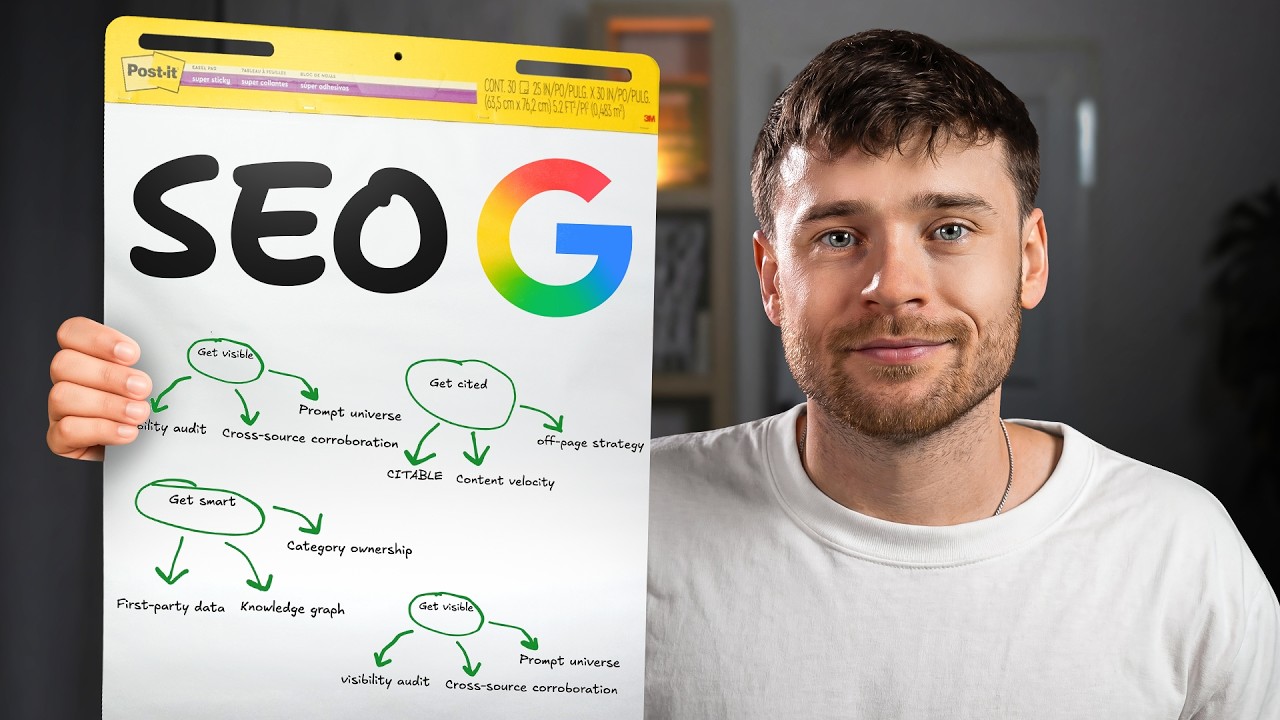
Podcast
Podcast

Podcast
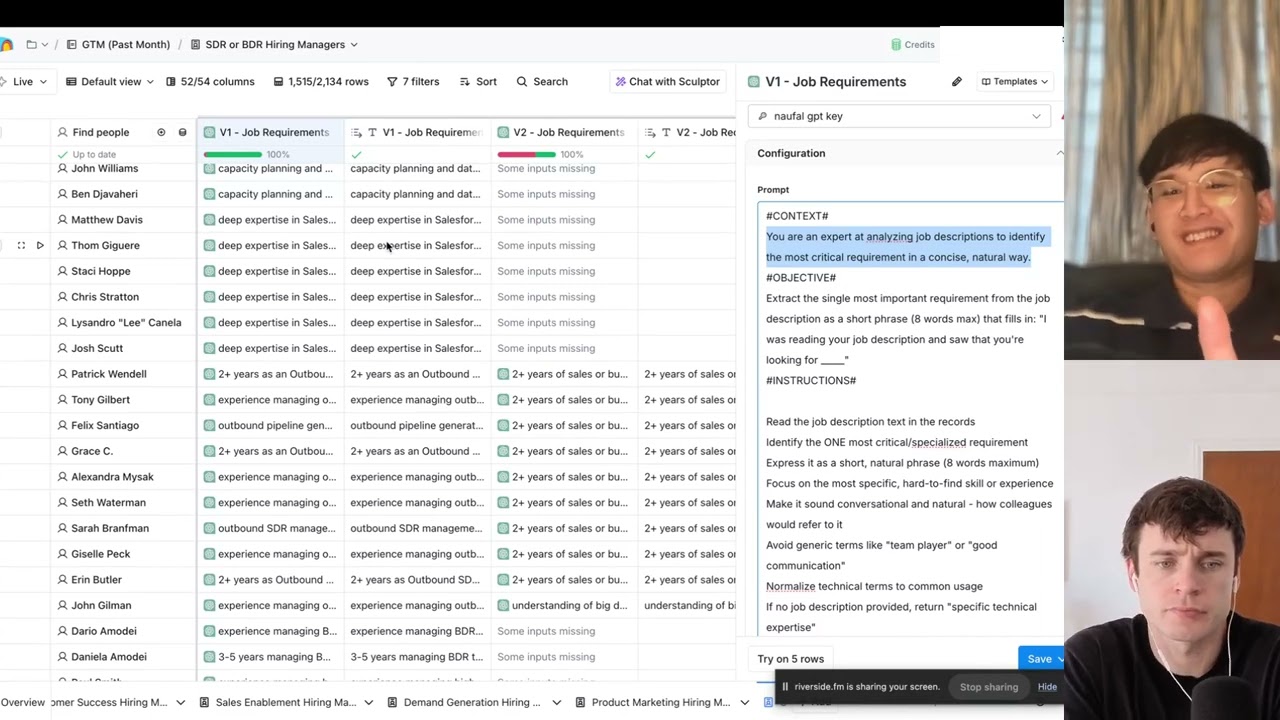
Podcast