Podcast
How To Validate A SaaS Product In 2025 (1+ Hour Course)

Liam Dunne
Host
November 29, 20241:23:25
okay so method for validating your SAS product and acquiring your first group of customers so in this resource I'm going to show you the process that I've taken over 50 B2B SAS Founders through to find traction and progress towards ultimately product Market fit when the SAS industry is at its hardest now I appreciate I've just made uh a bit of a bold claim there so um if this is your first time uh watching my content just to kind of show you some proof that this works and give you a bit of background into myself um so here's uh a startup I helped grow from 0 to 20 million ARR uh bootstrap from 0 to 20 million ARR uh in three years this is where we joined them this is my uh agency's logo uh Digi seed so we joined them kind of uh June July 2022 we're still working with them today you know two and a half years on and uh they're much further along than 20 million AR uh today um here are some results from some Google ads campaigns um here is um some spend on meta this year you can see this is filtered from 1st of January to 28th of October 2024 1.2 million spent there I'm just going to zoom back out um LinkedIn uh almost $700,000 spent uh this year by the way did you see this my agency so you can see this is filtered the these are accounts that we manage DS you can see my agency's initials here so at 700k on LinkedIn this year uh some more Google ad spend um here's a client testimonial um from this company here so this is rare one of the co-founders 15 minutes you can watch that on YouTube just to understand some of the impact we've had uh SEO space uh Henry one of the founders we work with at grass um 10x his company's Mr uh in 10 months of of working with us so this client interview was done at the six month Mark when we 3x his Mr so we've already um gone beyond that again you can watch that on YouTube if you like another kind interview with Floy here um Iman gy and Pierre um helped them add 1 million in six months another case study that's a work in progress I'll be uploading that on YouTube probably in the next one to two weeks that's zero to uh you know multii figure in Mr in six months here's another founder I've just redacted some of this information because uh it's in a private uh slack workspace um and I don't want their competitors seeing this but here's 100k Mr uh they also made their first three hires 40K and contracted Revenue in the past week and just some nice things and and the type of Founders that we work with um so quick background on me I'm not going to spend too much time on this I really want to get into the the meat and potatoes here um but myself um basically myself and will uh we're co-founders at a company called Gras so myself I've gone from working inhouse at startups um so some of them are here um to like kind of I guess grow station startups the early stage startup so this one was growth stage got acquired 2.6 billion by MasterCard I then joined an early stage startup um as an early growth higher um I then founded my own marketing agency and consultancy where I've helped dozens of B2B startups uh self- product Market fit and scale efficiently I'm also building my own SAS company at the moment as well you can find out more information about that via my online presence uh it's kind of uh off topic uh and then will my co-founder he built and sold a B2B software startup for $2 million at 21 um and you know he's got a good background as well and he's currently building his own SAS company uh legal Tech uh startup uh as well so collectively myself and will we have over 202,000 of firsthand SAS industry experience here's my old boss saying some nice things uh here's will basically he's got the award I think is the fastest deal closed at abnormal security it's one of the fastest growing cyber security companies in the world um so background that was kind of uh quick and nasty so uh core thesis of this video then um so startups often fail not from lack of founder ambition or skill but from premature scaling before establishing deep Market fit and so this typically leads to either Rapid Cash burner or Worse trapping companies in a state that I call growth limbo so growth limbo is where startup experiences some traction often through the founders Network and hustle to internally justify continued Focus but lacks the prerequisite to achieve breakout success really to put this in another way when startups don't just like a founder of a startup don't just they don't just wake up one day and all the money is empty out of their bank account and the company fails right for a lot of starts it's this slow painful process right and that's really what growth limbo is is you haven't like it's not so binary where you either succeed or fail um a lot of companies are just stuck in this state of Grog limbo where just not grow in um it's just slow painful death where eventually they have to lay people off and and call it quits um and so you know this is because they haven't established that deep Market fit early on so really that's the core idea behind what I'm going to be sharing in this video um and so just some lessons from working with over 50 early stage B2B startups so number one is they spend too much time on product and not enough on learning right and it sounds simple because it is um and you read any startup book any startup podcast they're going to tell you something similar but for some reason everyone just pays lip service to that um because they think it doesn't apply to them right they think they're bigger better smarter than um you know 20 years of of learnings and experience um but eventually they learn this lesson and kind of have to go back and fix it right and so often um they ignore this because the founder is scratching their own itch um and so they feel like they deeply understand the problem um the founder has received some positive feedback and so therefore they think the B business is is validated or the founder is able to get those first few customers and so they think boom I've sold product Market fit like I have something the market wants whereas to sell product Market fit you know you need far more than um a few more customers you know I've I've worked with companies that are even at and I'll come on to this one to two million in ARR and they still haven't solved product Market fit right so product Market fit isn't just getting um some customers so Building without stress testing your assumptions and constantly refining them is a road to failure right I regular speak with Founders who take this approach and they've often wasted over six months of building the wrong features um and in some cases if they're not a software engineer you know over tens of thousands of dollars spent to build that product without anything really to show for it like barely any customers or no customers whatsoever or not even any traction right and they're six months in um in the hole and so if learning is the output right if we want to optimize for learning conversations are the input right the more conversations you have the better you should be having a ridiculous amount of conversations with your target Mark I just it it baffles me how many companies I speak with who have a growth problem um and obviously it's more tactical than that you know maybe um a certain Channel isn't performing well maybe their retention is bad you growth problems spider out into many different categories but it just baffles me how many times companies will will approach us with these problems and they're just not speaking with their customers like they've spoken with zero customers in the last 30 days right and it's they they're kind of looking for that secret hack that that magic trick that's going to fix their growth problems and it just it that magic trick doesn't exist right you need to be speaking with your Market because ultimately you're providing a solution to them right and they're not going to put the answers on the plate for you that's not what I'm trying to say here but you are going to find the answers through through speaking with your market right so the number of conversations you should be having is that you feel like you are having too many conversations you feel like you're overloaded that is the number of conversations right um you want to be having so many conversations that you can quite literally guess what is going to come out of your customer's mouth because you've just spoken with so many people by that point right and so to help quantify this because what does so many mean most successful Founders I've spoken with who have gone on to self product Market fit they've had anywhere between 50 to over 100 conversations with their target market in the beginning when they're really trying to validate the problem and solution um of course beyond that it's it's different but in the very very beginning when they're trying to validate their company 50 to over 100 some people have hundreds of conversations with their target market and by Target Market I mean people who have a problem that they're attempting to solve I don't mean you know friends and and your network and stuff like that so just to try to help you quantify that um and here's a screenshot I saw recently on Twitter which I found quite interesting so and I think this is um sort of a a fundamental issue with the the sort of um the Indie Indie hacker or Indie maker community on on Twitter great Engineers like some of the best Engineers probably the world has but a lot of them really struggle to find traction and and scale a company and I think it all just comes down to marketing into you know distribution however you want to label it at a very tactical level not speaking with enough people and validating um the solution and so this person this engineer you know building things online for 15 years and nothing has ever taken off right so it's 38 building for 15 years and not a single product he's built has like kind of reached escape velocity right and I think that is probably because he's had a he's very much had a product first mindset or I think this would be a good idea I think this will solve people's problems I'm going to build it without actually going out there and validating those things beforehand right and so that's why you know a common problem I see too much time spent on product not enough time uh on learning and you're going to you're going to learn this lesson eventually it's just you might as well learn it when you're not $50,000 you know minus in in your bank account or six months down the line you might as well try to learn those things now okay so problem number too then not building with a clear Market segment and customer in mind so an easy way and an easy tell for whether a startup is on its way to product Market fit or not is if an ideal customer and best fit Market segment has been defined properly and not based on intuition but it can actually be proved with quantitative data specifically you know you close deals faster there's a a faster sales cycle um they onboard and activate faster and there's better customer lifetime value believe it or not a lot of startups don't have visibility into these metrics so it's not just based on gut fill you can actually prove with data that um who your best fit customer is and without being crystal clear on your best fit Market segment and customer you're not going to be able to develop an attractive value proposition or differentiate effectively against Alternatives because think about if you don't know who the customer is then how can you know what value proposition they're going to resonate with how do you know what their alternatives are if you're not yet clear on the customer and it affects everything and I'll come on to example here in a second um and the danger here is that most Founders think they have solved this when when they don't right because I speak of Founders all the time and I'm not sure if it's you know um ego or um maybe they just haven't realized but pretty much all founders think they've you know self product Market fit much earlier than they have they think they have the ideal customer profile but they tend to not be able to prove it and they think they're better than competitors again without being able to prove it um and the reason why I know they don't have this as find is because typically when I ask them for an ICP they just give me a job title and a company size or an industry right you could put 10 marketing leaders from B2B SAS companies that are room together and they would all have different priorities uh projects and problems right um and so it goes far beyond just job title and Company size now imagine if you um put personas from different verticals in a room together well then the projects parities and problems are going to be wildly different hence why if you're serving all those different boners or verticals well then your value proposition is just never going to be strong enough for any given uh segment right it just becomes if you think about it from this perspective it really does become illogical to try sell all of these people the same thing because they are just so different in their priorities and their projects right and so with this approach whether it be multiple personas within the same vertical or different verticals if you're trying to serve all of them you're never going to be able to do a great job for any individual which is ultimately what you need to be able to do to find solid traction and product Market fit you know to with this approach of sort of narrowing your focus if we look at to Uber well Uber initially sold to wealthy individuals in the Bay Area and now it's you know I don't know what percent of the Global Taxi Market it controls but it's a large percent right but they first started off with those wealthy individuals stripe initially sold to Startup engineers and Technical Founders now it's the payment you know the de facto payment infrastructure for for most SAS companies again they started very small and you've probably heard these examples hundreds of times already right these are the classic examples that people use in any content related startup so I want to discuss a startup that is doing this right now um called clay right so clay um clay.com feel free to check out the website they primarily focus on Freelancers and marketing agencies that offered outbound services and it experienced really really strong product Market fit with these customer types um and how they knew they reached product Market fit is well because they started growing 10x Euro year over-ear right there they just absolutely took off and really I think I come on to this point about if you're questioning if you have product Market fit then you don't have it you just know right if your company's growing 10x year on year when you're already doing significant Revenue the market is quite literally pulling your product out of your hands um now what's I was going to say unique it's not necessarily unique um but it definitely makes this more difficult is Clay is a horizontal startup right so it can be used by a wide range of different verticals and personas for varying use cases right it could be used by recruiters it could be used by sass industry it could be used by people in healthcare um and various different types of personas marketers salese even like revops and and general operations people you know they could just go down so many different paths um now given this you know would clay have achieved the same level level of success if they started talking about all of these various use cases at once you know oh here's how we can help with content and here's how we can help with a CRM and here's how we can help with outbound like I don't think so um I don't think they would have would have had the same level of success whatsoever because it would have diluted the value proposition um and also their marketing efforts um such as their ugc enable uh enablement program and their ugc growth Loop is one of the is one of the reasons why they've had um such success and so they knew this outbound Persona wanted to attract this outbound Persona being these um Freelancers and marketing agencies they knew this Persona wanted to attract new uh clients for outbound services and this is why the ugc growth Loop worked so well because this Persona was willing to post content on social media specifically LinkedIn that's kind of where they focused to attract new clients and so it was just the perfect match for this ugc um growth Loop and so that's where they focus their efforts now would uh an inhouse marketer whose responsibility is YouTube content would they be as incentive incentivized to post on to post user generated content on LinkedIn social probably not because they're not trying to attract new clients right and you know who who are they trying to impress um whereas agencies and Freelancers they are trying to attract new clients and so it was just this perfect fit for this grow Loop that also the product was suitable for and so they narrowed their focus they they identified okay we find interaction with these type of customers um and so we're going to focus our efforts on these guys um and so what they did there is you know they enabled this uh Persona to create content faster through various tools and support and they really just centered everything around um these personas they created a community they created an expert program uh they created a Creator program um and have really kind of built the playbook for this sort of um ugc growth Loop um what they also did is because again they knew that this Persona wanted to attract new clients by posting on LinkedIn uh to incentivize that content clay offered to promote those posts um with paid marketing so potentially you post on LinkedIn about clay and they will promote your post to thousands of others for free you know you don't have to pay for it it's just a bit of a no-brainer offer um and and then they also launched new product features that enabled this user generated content such as sharable templates because then people could share their templates on LinkedIn which is a form of ugc um and then they also improved just in gen in general improved the product um to to Really enable that outbound use case um such as you know constantly uh bringing on new product Integrations right to make that outbound use case more effective to keep those those customers happy and to feed that ugc growth Loop right and so the result is estimated thousands maybe tens of thousands I'm not actually sure of organic social content being posted from this ugc growth Loop and as a result clay reaching like insane product Market fit and it's all because they focused on those customer types which meant they were able to build a product that that customer type wanted they were able to find their growth Loop that um you know worked well with the product characteristics as well as um the target person so everything was just singing together now they would have not achieved that same level of product Market fit if they would just spread across all these different types of personas right because they're all going to want different features different product Integrations uh they might not be as incentivized to post social content and so the ugc growth fet point work as well you there's just so many factors the point I'm trying to hit home here is by narrowing their focus you know they just focused on making that customer were happy and as a result the growth Loop um was fueled right and now um that this has been achieved um you know since clay in the last year or something they've raised like over $50 million um in series B like things have just gone very very well for them clearly solved product Market fit um with those Freelancers and marketing agencies now they've done that they are expanding to new market segments through promoting different use cases right so here are two posts I pulled recently Where They are promoting um some content related features for clay so here I think they're talking about this one on was like um pulling the transcript of a YouTube video and and doing something like that uh something with that so now they're leaning more into like the marketing Ops use cases right and the thing is this has probably always been the strategy the strategy for clay has probably always been to always been to be this horizontal startup that serves multiple market segments or verticals with different use cases right because they've rais $50 million dollars they probably need to become a billion dollar company for everyone to be happy the investors the shareholders the founders the team members etc etc um and I think they'll get to that billion dollar valuation if they're not there already but this would have never been possible this kind of world domination would have never been possible if they did not first narrow their focus and go after that outbound use case if they kind of started off out the gate talking about all these different use cases then they just would have not had that focus and then the ugc growth Fu probably wouldn't have worked as well right so that's like the key uh takeaway here right um and so the quick litmus test here is you know to to wonder yourself okay well are we being specific enough do we have that ideal customer defined and are we building for them and are we trying to make them successful well ask yourself do you have various types of customers who you sell to so different personas or different verticals but you're going to market with the same message so you're sending the same message to all of them you have the same value proposition regardless of who they are you're promoting the same product capabilities to them and you're using the same channels to acquire them if you answer yes to those questions then it's highly likely you're not being focused enough right your value proposition is being diluted you're not you're probably not going to find strong um pull on any given Channel or any given Persona or or Market segment right just a quick litmus test a quote from Mark um andrewson here so great Market will tend to equal success and poor Market will tend to equal failure Market matters most and just a point on Clay here um clay has been around for seven years right seven years and I think they only started to fill this Market pull in the last two to three years so they didn't just discover this overnight right it probably took a good three four five years for them to get to that point where that outbound use case become became obvious and you know looking at the the founding team from clay none of them to my understanding have a sales background I don't think they set out with the intention to be the tool for outbound but they just found traction for that use case and they doubled down and it found product Market fit and now they can start expanding their markets and that's how they become a billion dollar company so problem number three so premature scaling causes growth debt so um you're probably familiar with the concept of uh technical debt so this happens when you prioritize speed over quality in engineering now if not addressed this debt can build up to the point where it bites through in the ass right you know your database crashes um suddenly one day um you lose customer data and all of these kind of bad things can go wrong if you don't address your technical debt and everyone has technical debt right but you have to kind of pay it down over time now this concept of debt also applies to growth right but instead of your database crash in or you know loss of customer data the stakes are product Market fit um and so most early stage startups they they grow due to sheer force whether that be you know the founder just has insane work ethic or the early team doesn't necessarily just have to do the founder perhaps they they're well connected or there's just positive initial traction there's that kind of initial S curve that gets them to that first stage of growth right but um and and some companies some early stage startups are able to ride that momentum even to like seven figures in ARR and build a profitable business right just through that hustle just through the right connections just through the right Market timing but at some point they start to experience these issues from debt from moving too fast or from not kind of um solving for the fundamentals right and they mo most likely they start to fill this step when they try to scale when they try to hire that sales person or hire that marketer you they try to basically move away from everything relying solely on the founder um and how they fill this debt sometimes it's acquisition issues so um you know month- on-month growth slows down sometimes or actually probably more commonly it's retention issues where uh new customers are signing up but they're not being activated fast enough and so therefore they have turn issues which is just an absolute Nightmare and a very common nightmare in SAS and sometimes it's both they're struggling to get new net new signups and they're also struggling to retain uh existing signups right and a bad scenario that I experience quite often is when all of this is happening but the startup founder has no idea why they have a retention issue but they have no idea why why um their growth has slowed down and they have no idea why and in a lot of um cases from my experience this is happening because the starup hasn't addressed its growth debt right and growth debt can accumulate to a lot of things and I think the best way to summarize it if it's not making sense is simply just having a deep understanding of your Market uh so whether that be like a segment um your ideal customer within that segment and truly truly differentiating against Alterna and it's it's really just about doing the basics well right just just as simple as asking a question is our solution capable of generating a case study for a single Customer because if you if it isn't if if your product or solution because you might have some Professional Services tapped on isn't capable of generating a case study then ultimately your product isn't capable of delivering an impact right and so you just have a very weak business at that point you know I I've spoken with founders where the company's at a million AR but they have no case studies they have like basically zero evidence that their product is capable of delivering an impact and these things matter right and that's just a good like Telltale sign that that growth debt hasn't been paid down they've probably just moved too fast without actually proven impact um from their product okay I've lost where I am yeah so when you layer on complexities such as people process automation on weak Foundation your problems multiplyer right um like if you have problems in your business hiring people um unless your problem is like I don't have time to do things hiring people and and like layering on complexity is like the worst thing you can do because your problems don't grow like in a linear fashion they grow exponentially they will just multiply and then you'll have all of these problems and then you'll also have to deal with all of those people's problems that you just hir and you're just setting them up for failure right so that's why it's really really important to always try to pay down this debt and and build your company on solid foundations right and if you're not in a a good cash position and you hire people at the wrong time you try to move away from founder Le sales or founder Le growth too early this can absolutely kill your business right because you know in startups we playing a game of Runway and if you don't have enough Runway to sustain that change then you know it just it's it's murky Waters right and so just to give an example of like this startup because a lot of Founders associate um Revenue with product Market fit and I think it's an indicator but I don't think it's you know um explicitly means product Market fit so this start up this is a post I saw on LinkedIn and they hit product Market fit a 2 million AR I can guarantee most startups um around this Mark think they have product Market fit and so I'm just going to read this because this was kind of Taken for batim off the founders post so um yeah so I recently saw this post from the founder who said they hit pmf at 2 million AA his words will hit home better than I can yeah so after a lot of false starts over the past two years we finally hit product Market fit I had tried to convince myself that we had already hit this previously but I was way off the Mark tldr if you were trying to figure out if you have pmf you don't have it right like if the market is not aggressively pulling your product out of your hands you probably don't have product Market fit and product Market fit isn't like a yes or no thing it is at a top level but it's more of a scale right um and so on the higher end of the scale the market is really going to be pulling your product out of your hands and so it comes back to the simple foundational stuff that people just uh ignore for whatever reason you know find a niche build the best product attempt to provide an obsessive level of customer support and then keep doing this for years even when things suck and you might want to quit right that's kind of the the if you take anything away from this video uh it's that so with that being said uh just kind of framing the conversation we're we're about to have so this resource is for you if you're struggling to generate consist free trials or sales calls when you speak to prospects they're not sure how you differentiate to competitors you're struggling to communicate your products value prop you want to achieve take my money product Market fit and if you effectively apply this what I'm about to talk through in this document you will be able to have more conversations with ideal customers you will develop a differentiated value prop that beats competitors you will understand the right levers to pull in your business if it's a retention issue you know exactly what to do if it's like an early onboarding SL activation issue you know exactly what to do to do if this a top of funnel issue you'll know exactly uh what to do you'll build a product that can activate and retain customers you'll build a long-term sustainable business that gives you leverage and if you're a Founder watching this or an early uh an early stage employee you will have a real chance of achieving Financial stability and wealth right that's why people get into the Sass industry because of those nice gross margins but you have to be able to build a long-term sustainable business to achieve that so getting in to the meat and potatoes of this video then so testing and validating the five core components of a business so as discussed previously a common mistake I see Founders make is spending too much time on product and not enough time on learning and it's mostly because they feel like they have a good grasp on the problem to be solved also known as intuition and what a possible solution looks like and so a similar mistake I see um a similar mistake I see Founders make is they see a startup in their Market performing well so they just naively think okay well I'll just copy their product um and I'm going to achieve the the same success right there is so much more that goes into a company's success than what product features you have than what your website looks like right and this is why just copying competitors is a losing strategy you'll eventually have to differentiate right you'll eventually have to um build something that people want and if you've just copied people there's a high chance that you're not actually you know passionate about that space and I don't think you have to be entirely passionate but you know if you're in startup game you should expect that you're going to be building that company for the next 5 to 10 years and so you want to be working on something that kind of um uh gives you motivation rather than relies on motivation right so a quick anecdote here this is a real anecdote somebody somebody I um that reached out to me on LinkedIn um so I spoke with a Founder who took this path right he he quit his high-paying Tech job moved back in with his parents to minimize uh his expenses and he built version one of his product that scratched an itch he had in his full-time Ro the critical mistake he made was not speaking with enough people in the market to validate assumptions so by the time he reached out and he jumped on a call he had a version one product with no Revenue no users or weight list and he was hunting for another full-time role because he'd gone through all of his savings right he thought well if I have this itch I'm going to try scratch it other people might have this itch I don't actually know how much he spent I think it was tens of thousands of doll he had a very high paying job you know in cyber security pays very very well and poured all of his money into building this product without validating that other people actually wanted it right and so finding um finding problems isn't actually enough like I think sure what the the problem that he identified I have no doubt that it exists and I have no doubt that other people want it but we all have problems right and I'll come on to this later that hunting or looking and validating looking for and validating problems isn't enough right just think of how many problems you have you've had this week you probably have you know a handful you know maybe dozens right but they're not all top of your priority list and then they don't they don't all justify you to go out and look for a product right so problems aren't enough and I'll discuss that more later a more effective approach is to methodically stress test and validate your assumptions not just once but repeatedly until you have a sound business case and so the end result of this approach is a far clearer picture of what your comp's road map looks like and the confidence to execute on it important to note that throughout this process we're not optimizing for yes we're not looking for Yes Men right we're not looking for people to love our our idea um and kind of tell us this sweet nothing scenario that we want to hear right we're optimizing for the truth if we're building something that is useless and that people wouldn't pay money for we want to hear that as soon as possible rather than being six months and $50,000 um down the line right you're going to have to you're going to discover that no eventually if you continue down that path you might as well try to discover that now so the five components are five core components of a business we've got the customer and jobs the value proposition the model the solution and the growth Channel now each of these components consists of activities to completed hypotheses to be formed validated and refined and you can do all of this without building software but I'm not going to sit here and give the whole spiel about oh you shouldn't you know build a line of write a line of software without speaking to a thousand people like you know the kind of Lean Startup methodology um I don't really sit in that camp um I think the the sort of goalpost for what is minimal a minimal viable product today has moved you know when you can write software with cursor and Claude and all these other llms I think building an MVP um is easier than ever and so you know use your own judgment here um not saying you know just go around showing people a piece of paper and trying to get them to pay you money that's not the path I've taken um so just use your own judgment here but what I am trying to say is you definitely don't have to go spend in tens of thousands of dollars and build this fully you know pledged software product when you haven't validated Demand right so kind of use your own um judgment on that scale and the further you get along you know it it becomes logical to start building a product because you're confident so uh the first core component the customer and job so the output from this step should be Clarity around your chosen Market your verticals segments and key personas as well as the jobs to be done of these personas so if you're not familiar with jobs to be done uh it's just a good framework for understanding why people buy things so broadly there are two types of customers that we're trying to validate uh customer type one are early evangelists so these are likely within your network audience they understand things might be Scrappy and are willing to work closer with with you to refine a solution right and so really important that what I don't mean here is you're just calling up a bunch of your friends like hey can you use my product and buy my product because they probably will and it's just a red herin right when I say early evangelist yes people in your network but they are people who actually have a problem that you're trying to solve and ideally they have the authority to influence purchase decisions in a company because we want them we want them to become paying customers um and ideally they roughly fit your future customer um uh attributes like kind of rough broadly um so we're not just trying to you know get your family and friends as as customers here okay customer type number two future customer so these are best fit customers when eventually with enough refinements are going to become your ideal customer profile right and this is where you're going to this is where you're going to find that efficiency so they're going to have the best average revenue per user or um average contract value and they're also going to stick around for the longest they're going to have the highest um customer lifetime value right hence why they are ideal customer profile but initially this group of people might have specific requirements that you can't fulfill yet like maybe they are further up Market than um those early evangelists and so therefore there's like some compliance and some security considerations or perhaps they just need uh um a certain integration otherwise they won't even go near you and it just wouldn't be a good idea to build for them just yet because just you know you you need to start small and get that Traction in a startup now it's important that you try not to conflate these two customer types they're very very different with regards to how you find them you service them and the business impact that they create right um and I don't see many Founders um separating these two customer types um they you know they again they're looking at that 10 20 million1 million AR Mark and they think right who do we need to go after to get there forgetting that you know you kind of need to start somewhere and you know up Market customers they have so so many more requirements um you know there there's probably mature products or companies out there already that are service in them and so just to try compete with them headon is just uh really really difficult and you're going to spend a lot of your time building Integrations without any kind of promise that you're going to get revenue from these customers right and another thing is by starting off with these early evangelists they have lower standards right that's what make makes them an early evangelist is they understand things might be Scrappy things might be buggy and they're willing to give you feedback on those things and they're not difficult with regards to commercials they're not going to like get you to complete Security questionnaires and um you know go through legal and all this kind of stuff which is just an absolute headache and you should avoid at all costs um and so that's why you go after early evangelists now if you can't effectively serve that type of customer and deliver impact to them then there's no way you're going to be able to serve those future customers who have higher standards who who have more requirements right I think that's an issue that Founders make is they try go over those after those future customers they can't find a product Market fit or they can't find traction it's just because they've you know they've tried to buy off more than they can chew um to to give an example so um it's important that you are clear on the customer and jobs everything from your product value proposition business model and the product itself um the product itself and how you go to market are dependent on who you target right this is just it sounds so obvious and so simple but people just don't think about in this way right like um what a head of marketing versus a head of sales versus like customer success versus name 10 other personas are interested in very massively and so if you want a really solid attractive differentiated value proposition then you need to get really clear on the person um and and their jobs so as I mentioned earlier rather than problems I think it's best to focus on your customers jobs to be done so I'm not going to be like talking through what that framework is the jobs to be done framework um you can do that separately we we go through it with Founders in gr SAS um the reason being is that we all have many problems at a given time right some of which have been there for a while and we have no immediate desire to solve okay and so therefore the question becomes well what determines whether a problem is top of the priority list or not right if you just imagine a list of problems that we all have at any given time what determines uh when a problem goes to the top of that list uh what triggers them to take action on those problems and complete the job and then what is the frequency at which these jobs occur right in SAS we don't want jobs that are just kind of they fix them and then they don't need to uh come back for another year two years right we want recurring jobs that H happen at a high frequency which is going to justify a recurring subscription so consider a midsized company with repeated internal communication issues while these cause delays and frustrations they rarely prompt actions however a spike in customer complaints due to miss deadlines can push leadership to address this issue right so they have a problem internal communication right which caus delays but nobody ever does anything around it uh about it right this is a problem on the list that just isn't urgent enough for somebody to solve however the trigger event was a spike in customer complaints which then caused the company to take this problem seriously okay and so understanding these triggers these situations is going to be important when it comes to refining your IC p and how you go to market how you target these people what message you put in front of them right customer complaints very very specific problem internal communication issues problem but is it urgent enough right and so rather than searching for mid-market companies in X industry which is how a lot of companies Target you can find the signals that might determine a person or company is actively searching for a solution right so in this case um it could be aise in customer complaints right you could be monitoring you could map out your entire market and you could monitor for companies within that market that when they have an increase in customer complaints that you could measure that by when negative reviews are published to their G2 profile for example or like a trust advisor profile or um I know for local businesses they have like uh a Google business profile or something like that you could monitor for a rising customer complaints on these pages and use that as your signal to to reach out right that's going to that's going to allow you to have a far more targeted relevant timely message than just say hey we fix internal Community issues right over that Nuance um is making sense so in short we look towards a company's situation rather than just firmographics and demographics and so by focusing on these urgent jobs it will or should create a pull effect rather than push uh which forces you to think in terms of a solution rather than a product like they have these problems they have this current situation how can I solve that rather than building a product and trying to search for problems and and shove it down people's throats so that's customer and jobs moving on to the value proposition so in its simplest form a value proposition answers to what do I get from this question a common mistake is to think that people are only interested in business outcomes such as revenue and this will likely hold true if you're targeting micrb and working directly with Founders so if you're working with like Legion generation agencies for example typically quite small quite profitable um and the founder typically is heavily heavily involved in in operations but this is not recommended for long-term success right um I won't go too off topic here but basically you know when a company gets big enough it's not the founder who's buying software right and inherently if the founder is buying software that means you're going after a small company and small company have problems far more problems than Market companies that they have less budget they're more likely to churn because they're more likely to fail um y y y right and so like for long-term success eventually everybody moves up Market it's just a matter of how big they want to go and for other personas um they're more concerned with the current jobs to be done right we're all selfish a team member like uh an individual contributor even like midlevel manager is more concerned with hitting their monthly or their quartly obje Ives uh their job security you know paying a bill securing a promotion they're interested in those things far more than how much money their company makes right and so if you're like exclusively talking about Revenue you're just not going to be speaking their language ultimately their priorities will link back to business outcomes otherwise you know they they have the wrong priorities um and so ideally we must focus on the benefits that link to business outcomes in order to charge the highest price and and have good retention but if your marketing message we must speak to the problem that that Persona feels deeply right so if we're talking about 10x orever and all these kind of crazy claims um you're just not going to be speaking the language and you just they're just going to ignore you um really as part of a sales process that's how you make the logical argument of how their specific benefit specific problem when that gets solved that leads to the business outcomes and that's why business cases um exist so uh the great thing about a value proposition is that in the early days it can be tested through marketing which is low cost right it's really low cost to just send post content or like do outbound people any kind of demand generation activity besides paid ads is fairly low cost and allows you to to test a value proposition right and there's no point if nobody's resonating with your value proposition then there's no point in building a product yet right because nobody's actually interested in the thing you're you're doing um now your value proposition why it's after customer and jobs is because it's dependent on the customer and jobs to be done right and so it's really worth thinking about your long-term objectives um if you want to build if you want to uh to build a SAS company that charges $500 a month $1,000 a month 2,500 $10,000 a month right then you must be S solving $10,000 a month problems right that's why you know if you look at the Indie haacker space a lot of these tools are like $9 a month $15 a month $20 a month and there's nothing nothing wrong with that whatsoever but it's because they're solving $15 a month problems right and so if you want the big money you have to solve the big problems which means you have to go after the people who have those um big problems moving on to the next component then which is the model so your model can be described as how when what and the amount you charge customers and this is going to depend on the game you're playing right most Founders I've worked with how they charge is through a subscription when is either upfront if they're sales Le or free trial if they're product Leed uh what is they charge typically usage based so the more you use the product either like through credits the more you pay or features I.E basically Daye keeping certain features to certain packages and then the amount how much you charge of course is dependent uh on your situation um on the early days I wouldn't stress over this too much right just focus on having those conversations um and then over time it will become clearer how how much you should be charging how you should be charging because you should be asking these questions like yeah how much would you be willing to pay for this um and that will become clear and this is why just having conversations is important because you're not just guessing you're actually um Gathering qualitative feedback and so the model you choose plays a really important role in what channels you use uh to reach sustainable growth right um because at the end of the day you need to make a profit there's no point in running ads if your products $10 a month unless you're really really good at creating viral ads uh it also shapes um the product because the more money you charge there tends to be that justifies um a more complex product that delivers bigger business outcomes um and then also your long-term approach to to Market expansion in simple terms if you want to build a 50 million doll AR business then the math needs to math right you need to be able to acquire a certain number of customers at certain price to reach that 50 million AR if you're charging $50 a month then you're going to need far more customers than if you were charging you know 10K paid up front right and so it's just again it's just about being methodical with like okay what am I trying to build here okay okay based on that who do I need to attract what problems they need do they have how do I need to solve those problems it's just about being um methodical the solution then so when you've made progress on validating the customer value prop and model what the solution IE your product and what outcome it needs to deliver looks like should be clearer the issue with a product first approach is that you begin with a solution and you're searching for problems to solve you're trying to shove it down people's throats which often results in a lot of headaches and growth problems and eventually in most cases leads to a pivot of sorts right and so why not just try to fun load that as much as possible if you're going to build a product which is going to cost tens of thousands of dollars and take you months to build and and then you kind of validate demand and speak with people and you eventually need to Pivot because you realize what you built isn't actually what people want well why don't you just try to font load all of that effort and figure out what people want and then just build a solution for that instead sounds so simple but most people just don't look at it um that way um this is a very nuanced component and so some questions to think about here are what are the steps and actions that are required to help the customer achieve their goal and so those steps and actions they then become your product capabilities right so if you think of the job to be done like well how are they currently completing that job and then all you're trying to do is reverse engineer that so you can build a product that completes those steps for them and helps them achieve that goal and then second question how do you intend to grow right this is going to matter for product Channel fit do you if you um if you want to for example if we look at clay um they've grown primarily well a lot of their growth early on was due to user generated content now that wasn't just because people were creating content the product was actually built in a way that facilitated that I.E they had sharable templates the product had a quick time to Value which shortens that growth Loop that ugc facilitates right and so it's not just a marketing question it's also a product question if your product is complex it requires you know uh a 7 10day implementation process that you know an implementation team needs to hold your team through like you're probably far likely to have those dopamine hits and want to create um content about that company right it's it's far more nuanced than that but just to understand that the product you build um really uh closely Interlink with uh the channel as well and then just a quote from Peter teal on the growth Channel if you can get just one channel to work you have a great business if you try for several but don't nail one you're finished right so the growth Channel really really important so just a quick note on linear growth versus sustainable growth right um because again this is just based on you working with dozens of dozens of Founders and there seems to be a bit of a um a disconnect here so as an early say startup so if you have like less than 10 customers that number varies because based on ACV Etc um so basically if you're trying to acquire your first group of customers you should be focused on linear growth right so reaching out to your network sending onetoone out Outreach over email and social and engaging in communities right another way to frame this is like manual grunt work okay it's called linear growth because your outputs are proportional to your inputs so the more message the more people you DM on LinkedIn the more replies you're going to get and the more conversations you're going to have vice versa right um and this is just something that I think a lot of early stage Founders struggle with um because linear growth activities very rep itive very manual there's delayed gratification uh there's a lot of effort involved there's a lot of rejection um and so I think a lot of Founders really struggle to get through that phase which I call the E phase because that's exactly how it feels right it's not nice if you send 50 DMS to people and nobody responds or nobody wants to hear about your product um but you just kind of have to get through that right um during this phase when you're trying to get your first group of customers words like Automation and delegation and Outsourcing should not be in your vocabulary whatsoever right um like it simply requires energy from you as a Founder to get that first group of customers because there's going to be nobody as motivated incentivized or delusional as you to do this right and the rejection you receive um through this phase this linear growth phase is going to force you to refine your approach right otherwise the only other option is failure right if you're trying to get people on calls and nobody's respon responding to your DMs then you have to change your DMs because otherwise you're not going to have any conversations and you're not going to get any customers and so this rejection is a forcing function for you to to actually get the thing to work to actually have a good message a good value proposition build a good product right and there's just no there's just simply no way to bypass that right every single founder who has achieved product Market fit has gone through that e phase now don't get me wrong there are ways you can make this easier on yourself like building an audience and distributing your product into an Audi into your audience but I don't think many people have uh the benefit of that so for most people like if each phase just kind of has to be done and if you try to avoid it um by you know introducing automation like trying to automate a bunch of emails or DMS or like delegating Grove by hiring a Cod emo agency or a Content agency or you know hiring an employee and just putting all of this work on their shoulders in most cases it ends badly and it comes at a cost right because inherently if you're trying to get your first group of customers you don't have product Market fit it is very likely that you don't have a great product you haven't validated your value proposition and so you basically have nothing right and so if you try to M multiply zero by zero you're just going to get zero right it doesn't matter how how many people you try to get to do it it doesn't matter how much automation you introduce you haven't validated demand you haven't built something the market wants so it doesn't M matter how much crap you throw at it um it's just not going to work right and so what this means in business terms is you're just going to waste money and you're just going to waste time so that's why there's nobody better than the founder to get you out of that e phase because it just requires so much effort so much Focus but also so much uh critical thinking right somebody to actually go wait nobody's responding to my DMs that means I need to change them right most people would just give up oh oh this doesn't work right whereas a Founder again we're all delusional we know it's going to work we want to make it work and so we're willing to make it change right an agency will never ever do that for you um so that's why it's important you as a Founder you need to be in the thick of it right here are some screenshots of some Founders recently where I kind of walked them through this process and it worked really well like somebody messaged me on LinkedIn I I kind of recorded them a loom video told them to they you know the K said I'm not able to get uh nobody's responded to me I'm not able to have any conversation sent them a loon video boom they book three meetings right after the Loon video right so this absolutely works and this might seem obvious uh to you but it's not like there's a reason I put this in there because so many Founders you know spend so much money building the product and they just kind of expect people to turn up to their doorstep and buy their product and it just it just does not work that way right you have to to get that first group of customers you have to be fighting two for now to get them and it's tough It's like I'm not trying to Sugar Cod here so that being said this approach is unsustainable right and it should be modified as you gain an initial group of customers and your product improves as a result of customer feedback so you're not going to be eating forever it you know it does get better um but you need to go through that phase first um and so this is when you progress to sustainable growth which is facilitated through growth Loops right so in linear growth where your uh inputs are proportional to your outputs in growth Loops uh they're self enforcing systems right so they enable nonlinear growth where the outputs can be disproportionate to inputs okay so this is how exponential growth begins to happen Okay so on the left we have linear growth the more DMS you send the more conversations you have whereas if we look at sustainable growth this is a growth Loop which facilitates um sustainable growth so um here we have okay here we have a ugc growth Loop right so the input is a new customer signs up to your product the action is that they generate content for whatever reasons not going to get into that um they then distribute that content to their Network which is an output the content they distribute to their Network attracts a new customer who signs up to your product then creates content then and so now you have this growth Loop which which leads to exponential growth so it's not relying on you as a Founder posting content or sending DMS right so now you've got this self-reinforcing system that only gets more powerful and exponential as more people sign up and create more content and attract more people right but in most cases just this just isn't going to work in the beginning because you probably have a crap product and you know people aren't going to create ugc content and there's just so many F ugc there's just so many factors that go into that um like there's some social factors like the reason why clay klay's ugc program works so well is because when people posted content they attracted customers so when an agency posted about clay they attracted customers who wanted that agency to build clay tables for them and so the agency was incentivized to post content about clay right if you're a fresh new company you know you're probably not going to have that kind of social uh effect right so linear growth then sustainable growth um going into great great detail about growth Loops in grow SAS it's kind of it's what we help um uh Founders Implement when they when they're ready very important to transition away from like founder Le growth um but I'll create a separate resource because we can really go down a black hole with that so um that was the five core components of a of a business right so how how do you actually um test your assumptions here right um so let's go through that so you have a set of assumptions it's now time to test them by speaking to your market so as I mentioned in the linear growth section this is going to be hard it's going to you know it's to eat phase for a reason um you're going to struggle to get people on calls you're going to trip over your words you're going to say the wrong things you're going to leave prospects confused um people aren't going to understand your value proposition like everything that could go wrong in this phase is going to go wrong right just kind of expect it um but all of all of these things going wrong is going to act as a forcing function for you to adapt your approach right when people don't understand your Valley proposition it's going to force you to change it so they do understand it next time um you know if if you can't get people on a call you're going to have to change your approach to get people on the call and so that process of iteration if you really zoom out that's how product Market Fage is eventually solved right is you have a retention problem okay well let's uncover why we have that and let's fix that okay we have an acquisition problem okay you know um these customers are churning worse than other customer segment okay well maybe we need to track more of them and you're refining your ICP right it's really if you really really zoom out that's how product Market fit is eventually solved the issue is most people aren't willing to go through that e phase because they basically you know they fall at the first hurdle so with that being said we want to take a methodical approach when testing your assumptions so we visualize that below right so we test the problem we then want to test the solution um because we can't build a solution without testing the problem we then want to refine them and then we go back and we keep going through this Loop right and it's you'll probably have to go through this Loop several times before you progress to the next stage um in reality it might look like something below so you speak with 10 people assess and adjust because uh maybe there's some patterns with what they're saying um maybe there's some suggestions and feedback they gave you and so you need to pause uh and reflect then speak with another 10 people and it's just that that's the process we're we're going through here um and ideally if you're doing this right after every conversation you should gain Clarity on your assumptions otherwise um you're just not asking the right questions right like I've spoken with Founders where and they're doing feedback but like oh like I'm I'm not learning anything or they're not telling me what features to build and like that that people are going to give you feature suggestions but that's not that's not the function of this um because you shouldn't trust feature Suggestions by people right they're not product managers they're not they're not you they don't have your company's best interest in mind and so you should always take that with a pinch of salt what you should be doing is digging for the problems and the jobs and it's your job as the entrepreneur to create the features the solutions right um so they're just they're not going to put it on a plate for you right so there is kind of some skill involved here where you need to be asking the right questions more importantly with the answers you're given you need to be able to draw patterns and turn That Into You Know insights and so there is skill involved here it's not just about like hopping on calls and people are going to tell you what product to build um so several conversations after you have them your pattern should begin to emerge and that why most successful Founders I've spoken with 50 to 100 sometimes hundreds of conversations they have so testing the problem then so in this stage you're speaking to your assumed Target perers I say assumed because really you don't actually know who your ideal customer is yet until they start paying you money and start sticking around and learning more about their challenges current priorities and projects and so in the ver very early days take more of a discovery approach where I recommend you don't even share your screen you don't talk about the product you don't talk about what you're building just have an open conversation with unaided questions right so where you're not forcing them down any certain paths you're asking open-ended questions and they're doing most of the talking after several conversations you should have a clear picture on the customer and their jobs to be done this is when you should transition to more of a presentation approach where you can relay a list of assumed uh assumed job to the customer that's what that's that's what I should say and so in this phase you can begin to ask aided questions where all of those problems that people have told you about you've kind of Consolidated that list and then what you're doing is you're relaying that back to the new group of customers and asking aided questions where they're ranking those problems and jobs in order of priority and so this is how you end up with basically urgent problems your start off unaided asking people how they're doing things what their problems are then you're consolidating those problems cuz they will be patterned and then you're asking other people to you know uh order rank those problems so this is why you must speak with a large amount of customers right because you don't want to operate on assumptions gained from like 5 to 10 conversations it's just going to um cause you some problems um so through these early conversations um you won't only get clear on the problems but also the type of customers you will Market to right so who are those early evangelists typically those customers like yeah you know you know let me know I'm happy to sign up and test it and also then your future customers as well as your General market knowledge such as uh who else is operating in your space the alternative the trends etc etc so these conversations are absolute Gold Dust you need to be very strategic this is how you get insights into your Market what are the competitors what are their weaknesses what are their strengths um how else are people solving these problems and so all every single one of these conversations you should be getting smarter otherwise um you're not asking the right questions here's an example of me doing a later stage problem identification uh interview so then we move on to testing the solution um so once we've refined the list of problems then we can start to hypothesize possible solutions right um so using aided questioning to elicit useful responses from the customer to help you rank the solution in order of priority and their um validity right like is this actually a good solution not just what's the best solution are these actually good Solutions um and you know would they actually pay for them ultimately so in the early stages the solution could be exclusive from the product right um so we're not just um we're not just listing out a bunch of products and features we're just providing Solutions how what the product looks like that comes later right so we need to we need to separate solution um from product um we're testing what the best Solutions are and if the benefits delivered are attractive enough that you could acquire customers right as you have more conversations and rounds of that assumption Loop up here uh you can begin to test your product concept either through mock-ups or a demo environment the features of your product concept should enable capability so the actions and steps but link to the problems and jobs you've identified um we're also trying to get uh signals on the model in this phase there's no use in having solutions that people like if they're not willing to pay money right so first of all we're starting off with Solutions we're not talking about product once you begin to refine that list of solutions then we can start to um you know design mockups and prototypes of a product that delivers that solution right so again we're not being product first we're being solution first um so example way you can um test a solution is the problem that they have how they're currently solving this problem how you intend to solve this problem so this is your solution and then the benefits that that solution delivers right just very very simple doesn't need to be crazy here's me pre- with my startup presenting mockups to someone trying to valid test a solution so important as you begin to have more solution oriented conversations if you're heading in the right direction I you're saying the right things people will begin to show interest in what you're doing right so don't let these people fall through uh fall through the cracks these could be your early evangelists or I.E your first customers right they could support your launches they could also be recruited as non-equity advisors right so don't let these people fall through um through the crack like this is how you acquire your first group of customers right most people when they're trying to get their first group of customers they're just trying to sell immediately like hey um would you buy my product right whereas if you approach people and ask for feedback and then if they like what you're building it's much easier to try convert them into customers rather than cold strangers right here's an example of me doing that I just get them into a private slack Channel and then have a regular Cadence of communication with them I'm intentional I don't just let them slip through the cracks and never speak to them again like these are going to be your early group of customers right and so you need to be all over it refinement then so as you have more conversations it's important to pause and reflect every so often right there's no use in having conversations with people if you're not using those insights to inform the company strategy look for patterns challenges sorry look for patterns challenge your previous assumptions refine them write them down um and be intentional about everything because it's easy to let everything fall through the cracks like if we refer back to my point about growth debt the reason why growth debt is introduced or the reason why people have product uh weak product Market fear is because they're not intentional enough they don't actually challenge their assumptions they they get a bit of positive feedback and they you know instantly think they're heading in the right direction or they don't get really really clear on the customer or the problem um and it just this deck just kind of builds over time and again the stake is weak product Market fit so some questions to ask yourself are people reacting positively if so what gets their attention like looking out for body language um reviewing the calls that you've had are there patterns with regards to what Persona types react POS uh positively this is going to help you define that Target Persona what changes are needed to get more positive reactions can you accurately describe what an early evangelist and future customer looks like because if you can't then you're obviously you know doing something wrong and what I mean by here is like what is their day today like you should be able to stand up in front of these people and present to them a day in their life like That's How Deeply you need to understand them do you know what channels are needed to attract and acquire these customers do you need to refine your approach or a complete pivot right this is very much an option on the table if just nothing nothing's working um you know you're you're working hard you're asking the right questions you've spoken with enough people then in a lot of cases you might just have to um pivot so in summary speak with 10 people assess and adjust speak with another 10 people assess and adjust just keep doing this until you feel like you're confident right so you complete this and refine them and then begin with a problem and then begin with a solution for those who show interest get them on board as early evangelists which will be covered next and you do not progress from this phase until you have stress tested the five uh business components to a point where you feel confident on what the next 3 to six months of your company looks like now caveat here I don't think as a found you're ever 100% confident that's why we're delusional um because we're overly optimistic but you should have a rough idea of what the next 3 to six months look like all right so just some questions and answers on on this section and so what if I don't have Clarity on my product road map so if if you don't have Clarity on the the product Direction then it probably means you just haven't spoken with enough people or if you have spoken with a bunch of people you just haven't dig deeper for for problems to solve um as part of this uh a common mistake I see Founders make is they are too dependent on customers to Define their product road map um they'll when speaking of customers these these or these people will they might request features I say oh it'd be really cool if you would build this but you should always take this with the grain assault right the in most cases the people you're speaking with aren't Founders they're not product managers um you know nothing against them but they probably don't know how to build great SAS products um and and so they're just not it's just worth taking their advice with a pinch of salt right what you should be doing is digging for problems um seeing how they're currently solving these problems and then come up with a solution a better differentiated solution to those problems right so you should be focusing on the customers their jobs to be done then you should create the best solution um the market isn't just going to put all of this on a plate for you and if they did it probably already exists out there it's probably not that exciting in or it probably doesn't have your company's best interest in mind right so I think I've heard this a few times uh in response to like customer research is like oh will I do it and you know people don't tell me what features they want or I can't and you know it's not giving me Clarity that simply means you're not asking the right questions or you're not speaking to the to the right people when should I start building a product so um this is very nuanced But ultimately when you feel like your assumptions have been tested to a point where the product and Company roadmap become clear right until that happens there's a high risk um you might build the wrong features uh which is just going to end in a pivot and um you know in software features are money and time right so we're just trying to minimize that um build the absolute minimum required to acquire a customer and generate a result right so if that's a fully a full product with you know authentication and you know stripe checkout and all that kind of stuff it's probably not then then do that if it's just a simple prototype and you can do a lot of manual work and Wizardry to acquire the customer and generate a result then do that right it's it's definitely dependent on your situation so moving on then validation through marketing and sales so up until now ideally you've spoken with dozens of people and the future is looking a lot clearer than it was a few months ago um so in this phase we're going to validate your uh updated hypotheses via the ultimate stress test right which is acquiring a paying customer and getting a result for them um so this must be achieved through layering on any type of complexity right so we need to prove that our assumptions are validated through AC acquiring a paying customer and being able to get that result we promise to them we must be we must be capable of doing that before hiring people before trying to automate things before strategizing too much and layering on too much process right you're just going to you're just going to introduce headaches so turn in your early evangelists into customers so the easiest way to acquire your first group of customers is by converting those people that you spoke with uh those people that were interested ideally right they're already aware of the problem and how you intend to solve it and if you can't convince those people who you've already spoken with you have established relationship with they're interested in what you're building if you can't convince them to pay you money then you're going to have a very very hard time convincing cold traffic right and so it probably means you haven't been thorough enough in your approach the best way to validate your business is through sales right it doesn't matter how much positive feedback you've had how many yeses how many people are posting you know about what you're building or dming you if they're not willing to pay you money and you can't sell effectively to them then you know unfortunately you don't have a business right so um if this is something that makes you feel uncomfortable IE selling then honestly I don't know an alternative path unless you have like a co-founder who does sales you know just again you just need to get through this e phase just kind of um bu the job uh so B on demand so a never ending problem for a startup founder is juggling growth and product so at this point you'll be spending a lot of energy defining and building your product road map but be cautious of taking your foot off the demand pedal right you need to maintain that momentum um if people are interested people are going to start talking and you're building um you're kind of building that demand you need to keep your foot on the gas pedal it's very very easy especially as a software founder to just just like go into a hole and just spend months Building Product you need to still keep having these conversations and and building demand so an approach I've taken throughout this stage is to in effect run a closed beta program so here's my argument for this right it allows you to select and work closely with your early design Partners which is crucial for feedback and impact if you're working close with them there's you know it's it's um you know there just a better feedback loop it allows you to smooth out any issues user bottex that could be preventing the customer from generating a result and it minimizes problems and negative word of mouth right in the beginning you're going to have a scrappy SL crappy product and it's probably not going to work as intended and by having a closed beta program you're just minimizing like negative word of mouth getting out because you know people don't care um about your problems and how you have these technical issues and your engineer had time off and like oh we didn't notice that but they don't care right they're just going to try part it's not going to work and they're going to um have a bad impression and so you just try you're trying to minimize that so here's a simple journey to visualize what this could look like so uh so traffic weight list cool and then I to design partner or influencer so traffic is generated through whatever means necessary I prefer organic social content and outbound DMS you direct traffic to your weit list or directly to a call when people sign up to your weight list give them an option to book a call uh so if they haven't gone directly to a call on those calls conduct researches as usual uh so you're validating your assumptions talk through what you're building and then qualify them as a design partner an influencer both or other are you just not a bad fit right so design partner somebody who's um someone who has a problem um your soling but it's also open to you know being an early user of a product open to being an early evangelist right why they're called design Partners they essentially help you build your product design your product uh influencer is somebody who might have an audience um do I actually mention that yeah so an influence is basically someone who has an audience filled with um icps um and so when it comes to launching or when it comes to talking about your product they're willing to you know be an advocate they're willing to post content they're willing to reshare your content stuff like that that they're willing to influence your your product um design Partners should be on boarded your product as soon as possible with the understanding that they transition to a paid subscription I ideal influences up people with ICP and uh Rich audience and the willingness to support launches kind of what I said so validating the solution um to Simply put to be validated Your solution must be capable of delivering a result to the customer right best that's is is really straightforward it's black and white okay there must be some tangible impact that customer feels otherwise you're going to struggle with solving product Market fit okay the SAS industry in its current state is just too Unforgiven uh to have nice to have a product I talk about this a lot in my content you know we've just kind of we're just in this new era where um you know trust has been eroded between vendors and buyers uh budgets are tighter companies are operating uh leaner than before as so nice to have just don't cut it anymore there needs to be some kind of business impact so in the early stages this will most likely require manual input from yourself to compensate for product gaps this is the difference between thinking solution first and product first right when you think in terms of solutions you're focusing more on the end result rather than how it's achieved so depending on what route you take product Le versus sales Le eventually your product should be capable of enabling customer results mostly by itself a huge mistake Founders make um at this stage is prematurely launching a plg motion where they allow customers to sign up for an account and figure it out themselves right don't do this it's very likely that you will have activation problems uh with no idea right why okay plg product growth is not a case of just slapping a free trial button on your website and people are going to automatically sign up and see the value of your product plg is very very very difficult to get right few companies get it right I'm not saying don't do plg I'm going to be mainly operating a plg motion for my startup but again inherently as I noce say startup your product is probably a bit crappy you probably don't have a clear picture of your ICP and so all of all of that with the 10 other factors combined means people probably aren't going to be able to realize value from your product and so that's why you want to be working close with them you want to have a closed program so you can actually onboard them you can actually get the product implemented you can actually ensure they're using it and if they're not figure out why um and change it um with plg if you're just allowing people to sign up to your product and RAM freely you're not going to have that feedback loop so summary um turn early evangelist into customers low hanging fruit run a close beta so you can have more control and a closer relationship with early customers always focus on generating demand you can never have enough ensure your product is capable of generating a customer result before progressing if it can't then figure out why and figure out how to um generate a result during this phase you should be able to get your first 5 to 20 customers depending on various factors such as acvr of course like five customers at 50k a pop you've got a pretty good business at that point you haven't got product m fit but you've got got a pretty good business um so it really depends and the main point being is that you shouldn't open up up to the broader Market those future type customers without first going through your activities right that's when things go wrong when you start prematurely growing when you haven't proven impact of your product you haven't proven it can actually deliver a result you haven't actually figured out the type of customers that you want to attract that's when things start to go wrong so to finish this off there then so working with the gr SAS team so if you um this is kind of part of a very very small part of the um the process we take early stage BB s stands through so we will work directly with you one-on-one myself and will to help you identify the most urgent high value problems to solving your Market develop and test a differentiated value proposition to help you stand out acquire your first group of customers build a product that is capable of generating a customer result resulting in improved activation and retention transition from that linear growth to sustainable growth by building your first growth Loop get the highest level of efficient output from you as an operator so if you want to ask questions about how we work with SAS companies the type of SAS companies we've worked with you can go to grow sas.com and book a cool and some recommended recommended resources from here if you haven't watched them already I have a one and a half hour video on how to rapidly test your value proposition with codemo and I have a full SAS codo course which is 2 hours 15 minutes which I recommend you watch as well all right cheers see you on the next one

Podcast
Podcast

Podcast
Podcast

Podcast
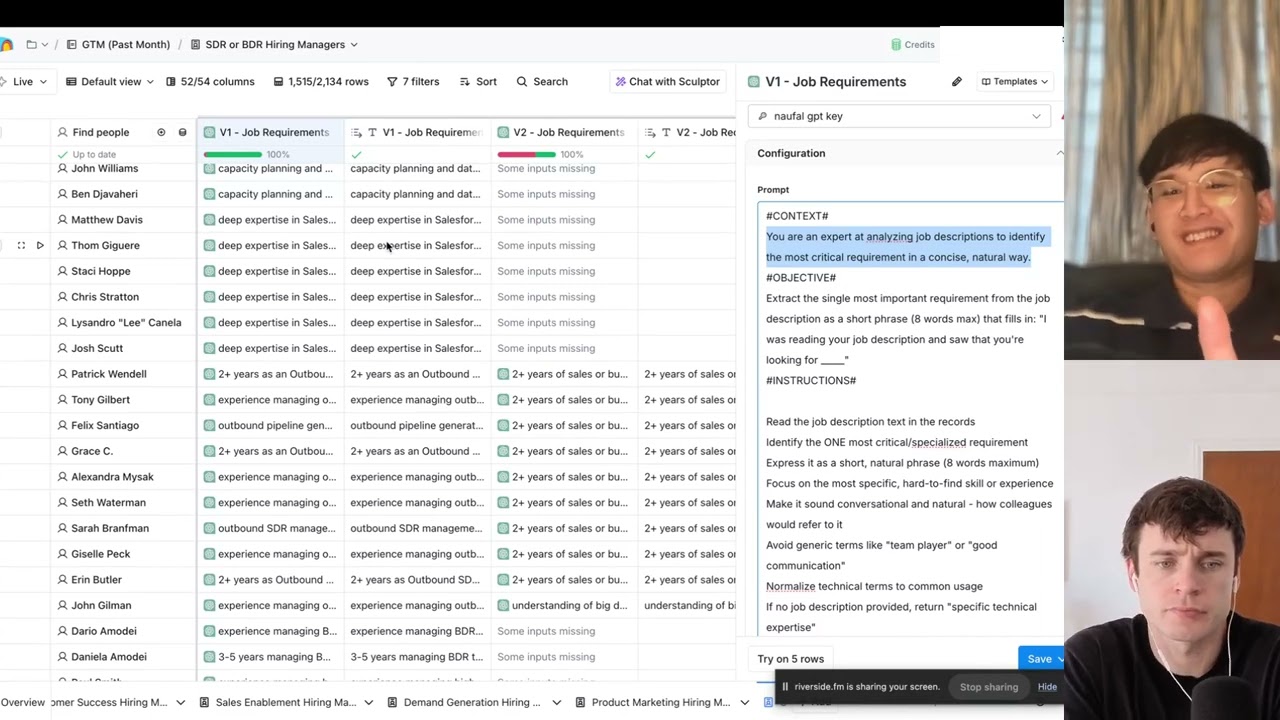
Podcast